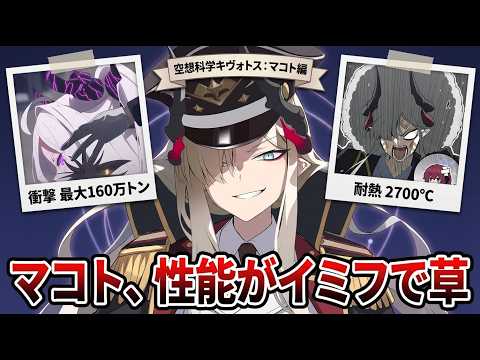
▶ Watch the original YouTube video
How Blue Archive’s Fan-Made “Makoto Episode” Sparked Community Passion and Critical Acclaim
A high-quality fan-made video titled “Imaginary Science Kivotos: Makoto Edition” has generated widespread enthusiasm within the Blue Archive community, revealing how fan content can deepen player engagement and character appreciation. The video’s reception demonstrates the maturity of gaming fan culture and the creative potential that emerges when players reimagine official game narratives.
What Happened
“Imaginary Science Kivotos: Makoto Edition” is a fan-created video that reimagines Makoto, a supporting character in the mobile game Blue Archive, as the protagonist of an original narrative. The video demonstrates production quality comparable to official game content, featuring sophisticated storytelling, animation, and character development. The release has generated substantial community engagement across YouTube, Twitter, and Niconico, with players expressing enthusiasm, surprise, and appreciation for the creative reinterpretation of the character.
Why It Matters
This fan content exemplifies a significant shift in gaming culture where player-created works achieve professional quality and influence community discourse. The video’s success demonstrates that fan engagement extends beyond passive consumption—players actively participate in expanding and reinterpreting game narratives. For game developers, such content reveals player expectations and character appreciation that may not be fully expressed through official channels. The phenomenon also illustrates how fan communities function as creative ecosystems that strengthen player loyalty and foster deeper emotional connections to game properties.
Background
Blue Archive is a mobile tactical RPG known for its distinctive visual style and richly developed character backgrounds. Makoto is a student character belonging to the Gehenna academy faction. Within the game’s official narrative, Makoto occupies a supporting role with limited story focus compared to more prominently featured characters. However, her character design and established personality traits provide substantial creative potential for fan interpretation.
Fan content culture has evolved significantly over the past 15 years, from early anime and game communities to contemporary platforms like YouTube and Twitter. Notable predecessors include the Touhou Project’s extensive fan-created ecosystem and the Fate series’ robust secondary creation community. Blue Archive has emerged as a particularly fertile ground for fan creativity, characterized by high production values and diverse creative approaches.
Key Points
- Production Quality: The fan video demonstrates professional-grade animation, sound design, and narrative structure that rivals official game content, earning comments such as “I thought this was official” from viewers.
- Character Reinterpretation: The video elevates Makoto from a supporting character to protagonist status, exploring character potential not fully developed in the official game narrative.
- Community Diversity: Player responses span multiple emotional and analytical registers—from pure enjoyment and emotional resonance to critical analysis of narrative choices and character psychology.
- Gap Between Official and Fan Expectations: The intensity of community response stems partly from the disparity between Makoto’s limited official narrative presence and the character potential fans perceive.
- Adaptive Character Design: Makoto’s “ordinary” characterization paradoxically makes her highly adaptable to diverse creative interpretations across multiple genres and narrative frameworks.
- Community Maturity: Comment sections reveal sophisticated critical engagement, with players analyzing narrative techniques, character psychology, and thematic coherence rather than offering only surface-level praise.
Community Reception Analysis
Emotional Responses: Players express genuine joy at seeing their preferred character receive substantial narrative focus and development. Comments frequently emphasize the emotional satisfaction of witnessing character potential actualized.
Critical Appreciation: Beyond emotional reactions, the community demonstrates analytical engagement. Viewers discuss production techniques, narrative structure, character interpretation validity, and thematic consistency. This analytical layer indicates a mature fan base capable of sophisticated media criticism.
Comparative Recognition: Multiple comments reference the video’s quality parity with official content, suggesting that fan creators have achieved technical and narrative standards previously associated exclusively with professional studios.
Constructive Feedback: Some community members express desires for similar narrative depth in official game content, representing positive criticism that acknowledges fan content quality while suggesting areas for official development.
The Psychology of Fan Content Engagement
The enthusiastic reception reflects several interconnected psychological factors. First, the “underdog appeal” of supporting characters creates investment opportunities for players who identify with less-prominent narrative positions. Second, the gap between official narrative treatment and perceived character potential generates creative motivation—fans actively fill narrative spaces they perceive as underdeveloped. Third, Makoto’s character design balances specificity with adaptability, allowing diverse creative interpretations while maintaining character coherence.
This dynamic mirrors historical fan content phenomena in other media franchises. The Touhou Project’s extensive fan ecosystem emerged partly because official narrative focus was distributed across numerous characters, creating space for fan-driven character development. Similarly, characters receiving limited official narrative attention frequently generate disproportionate fan content volume, as demonstrated in franchises like Fate and Persona.
Comparative Context: Fan Content Evolution
| Franchise | Fan Content Characteristics | Primary Formats | Interpretation Freedom |
|---|---|---|---|
| Touhou Project | Character relationship exploration, setting expansion | Animated shorts, comedy sketches | High |
| Fate Series | Official setting reinterpretation, crossover narratives | Fiction, illustration | Moderate |
| Persona 5 | Character psychology analysis, relationship dynamics | Fiction, manga | Moderate |
| Blue Archive | Original setting creation, game world expansion | Video, illustration, fiction | Very High |
Blue Archive demonstrates notably high interpretation freedom compared to comparable franchises. This reflects deliberate design choices emphasizing clear character fundamentals while leaving narrative possibilities open-ended. The game’s character-focused design philosophy—each character possesses detailed background stories and distinct personality frameworks—provides substantial creative scaffolding for fan interpretation.
Broader Implications for Gaming Culture
The “Makoto Episode” phenomenon illustrates several significant trends in contemporary gaming culture. First, the technical barrier between professional and fan-created content has substantially diminished. Modern digital tools enable individual creators to achieve production quality previously requiring institutional resources. Second, player communities increasingly function as creative partners rather than passive audiences, actively shaping franchise cultural narratives through fan works. Third, game developers benefit from fan content as both market research and community engagement mechanism—fan preferences revealed through creative output inform development priorities and character focus.
This dynamic represents evolution from earlier fan culture models where secondary creation existed in tension with official properties. Contemporary gaming culture increasingly recognizes fan content as complementary creative activity that deepens franchise engagement and extends narrative possibilities beyond official limitations.
How to Engage with Blue Archive Fan Content
- Experience Official Narratives First: Engaging with character stories within the game provides context for understanding how fan content reinterprets and expands official characterization.
- Explore Multiple Interpretations: Different creators approach the same characters through distinct creative lenses. Comparing multiple fan works reveals the diversity of character interpretation possibilities.
- Read Community Discussions: Comment sections and social media conversations provide insight into how different players interpret and value creative choices, enriching personal viewing experience.
- Consider Related Works: Exploring fan content from comparable franchises like Touhou Project provides historical context for understanding fan culture evolution and creative traditions.
Insights
The enthusiastic reception of “Imaginary Science Kivotos: Makoto Edition” reflects maturation of gaming fan culture from supplementary creative activity to sophisticated collaborative narrative expansion. The video’s success demonstrates that contemporary players engage with games not merely as consumers but as creative participants invested in character development and narrative possibility.
The phenomenon reveals important truths about character design and player engagement. Characters occupying supporting narrative positions frequently generate substantial fan interest when they possess clear personality frameworks and perceived untapped potential. The disparity between official narrative treatment and fan-perceived character capability creates creative motivation that drives high-quality secondary works.
For the gaming industry, fan content serves multiple functions simultaneously: market research revealing player preferences, community engagement mechanism strengthening player loyalty, and creative ecosystem expanding franchise cultural significance. Games designed with character depth and narrative flexibility—like Blue Archive—facilitate this collaborative creative environment more effectively than properties with rigidly defined narratives.
The broader implication suggests that future game development may increasingly incorporate fan content as intentional design consideration. Rather than viewing fan creation as peripheral activity, forward-thinking developers recognize it as integral to franchise longevity and cultural relevance. The distinction between “official” and “fan” content continues blurring as technical capabilities equalize and community creative standards rise.
Ultimately, the Makoto Episode’s reception demonstrates that gaming culture has matured into a collaborative creative space where players, developers, and fan creators collectively shape franchise narratives. This represents not diminishment of official creative authority but rather expansion of creative possibility through community participation—a model increasingly central to contemporary entertainment franchise sustainability.