▶ Watch the original YouTube video
Maki Zenin’s Reactions to Other Heroines: A Character Analysis of Jujutsu Kaisen’s Unconventional Protagonist
A viral YouTube video compilation showcasing Maki Zenin’s varied reactions to other heroines in Jujutsu Kaisen reveals a character who fundamentally breaks traditional anime heroine archetypes. Rather than functioning as a love interest or supporting character, Maki operates as an independent warrior whose perspective on other characters challenges conventional narrative structures in modern anime.
What Happened
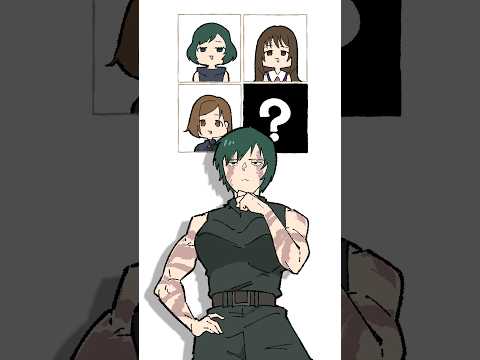
A hand-drawn animation video has gained attention for its compilation of Maki Zenin’s reactions to various heroines throughout Jujutsu Kaisen. The video uses traditional animation techniques to highlight the nuanced emotional shifts in Maki’s expressions and responses to other female characters, emphasizing her unique position within the series’ character hierarchy. Rather than depicting romantic interest or traditional heroine dynamics, the compilation showcases Maki’s objective, warrior-focused perspective on her peers.
Why It Matters
Maki Zenin represents a significant shift in how modern anime constructs female characters. Her character challenges the long-established “heroine” archetype that has dominated anime and manga for decades. By positioning Maki as an independent combatant rather than a romantic interest, Jujutsu Kaisen creator Gege Akutami has created a character whose value derives from her agency and strength rather than her relationship to the protagonist. This reflects broader industry trends toward more diverse and complex female character roles in contemporary anime.
Background
Maki Zenin is a major character in Jujutsu Kaisen who appears alongside protagonist Yuji Itadori and other main cast members. Unlike traditional heroines in similar series, Maki’s character arc focuses on her personal goals: gaining independence from her family and developing as a jujutsu sorcerer. She deliberately maintains emotional distance from other characters and operates on the same level as male protagonists, making decisions based on objective assessment rather than emotional attachment. This positioning stands in stark contrast to heroines in comparable series like Attack on Titan (Mikasa), Demon Slayer (Kanao), or My Hero Academia, where romantic or supportive relationships with the protagonist define their narrative function.
Key Points
- Character Independence: Maki functions as a warrior equal to male protagonists rather than as a traditional heroine, maintaining her own objectives separate from the main character’s journey.
- Objective Evaluation: Her reactions to other characters reflect practical assessment of their abilities and resolve rather than emotional or romantic considerations.
- Emotional Distance: Maki uses humor and detachment as mechanisms to maintain psychological distance, rooted in her deliberate separation from her family.
- Animation Technique: Hand-drawn animation effectively conveys subtle emotional shifts in Maki’s expressions, capturing the nuance of her character in ways digital animation cannot replicate.
- Heroine Archetype Deconstruction: The video’s format—with Maki evaluating other heroines—emphasizes her role as an observer and independent character rather than as a heroine herself.
- Industry Trend Representation: Maki exemplifies the broader shift in anime toward diverse female character roles that reject traditional romantic or supportive functions.
Timeline
- 2020 (Autumn): Jujutsu Kaisen anime adaptation begins airing, introducing Maki Zenin as a character who defies traditional heroine conventions.
- Series Progression: Maki’s character arc develops as she increasingly distances herself from the main cast while pursuing her personal goals of independence and growth as a jujutsu sorcerer.
- Recent Period: Fan communities and content creators produce analysis videos and compilations examining Maki’s unique character positioning and her interactions with other female characters.
Perspectives
Creator’s Intent: Gege Akutami deliberately positioned Maki outside the traditional heroine framework, allowing her to function as an independent character whose narrative value comes from her own agency rather than her relationship to the protagonist.
Fan Interpretation Variance: While some fans view Maki as a potential romantic interest for Yuji Itadori, the series’ narrative structure suggests this interpretation diverges from authorial intent. Many fans recognize Maki’s independence as her defining characteristic, though some perceive her objective evaluations of other characters as condescending rather than neutral assessment.
Animation Analysis: The hand-drawn animation format used in the reaction compilation effectively communicates Maki’s emotional complexity. The technique captures subtle expression changes that convey shifts from mockery to respect based on her assessment of others’ abilities and determination—a visual sophistication that emphasizes her warrior perspective.
Comparative Character Study: When compared to similar characters in other series—such as Levi from Attack on Titan or characters from JoJo’s Bizarre Adventure—Maki’s positioning represents a more deliberate and contemporary approach to deconstructing traditional heroine archetypes. Unlike predecessors whose independence was secondary to their relationships with protagonists, Maki’s independence is her primary character function.
Insights
Maki Zenin embodies a fundamental shift in how anime constructs female characters in the 2020s. Rather than serving as romantic interests or supporting figures, she operates as a fully autonomous character whose narrative significance derives from her own goals and capabilities. The viral reaction compilation video demonstrates how creative fan content can illuminate character design choices that the official narrative may not explicitly address.
The video’s format—positioning Maki as an evaluator of other heroines—cleverly reinforces her status as something other than a traditional heroine. By placing her in the role of observer and judge, the creators emphasize that Maki transcends the heroine category entirely. She is a character, a warrior, and an independent agent in her own right.
This character archetype reflects broader industry trends toward narrative diversity. As anime audiences mature and storytelling becomes more sophisticated, the demand for female characters who exist outside romantic or supportive frameworks has grown. Maki represents this evolution—a character whose strength, independence, and objective perspective make her compelling not because of her relationship to a male protagonist, but because of who she is as an individual.
However, questions remain about whether Maki receives sufficient narrative focus to fully explore her character arc. Her limited screen time in the source material raises concerns about whether her personal journey—independence from family and growth as a jujutsu sorcerer—will receive the development her character deserves. The future trajectory of Maki’s story will significantly impact how audiences perceive both her character and Jujutsu Kaisen’s approach to female character development.