▶ Watch the original YouTube video
How Blue Archive’s ‘Convenience Store 69’ Joke Reveals Deep Character Design and Modern Gaming Trends
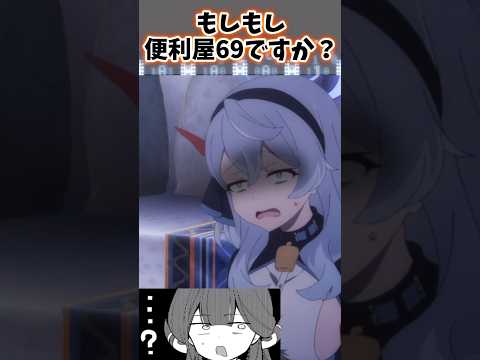
A viral video clip from Blue Archive features a mysterious phone call asking “Is this Convenience Store 69?”—a seemingly simple joke that actually reflects sophisticated narrative design and the evolving role of player characters in modern games. The scene reveals how the game’s protagonist, the Teacher, embodies contemporary themes of helplessness and social obligation through carefully crafted humor.
What Happened
A video circulating on social media shows a scene from Blue Archive where the protagonist receives a mysterious phone call asking “Is this Convenience Store 69?” The clip has sparked widespread discussion about the game’s narrative depth and character psychology. The scene appears to be either a random in-game event or hidden element that resonates with players who understand the deeper implications of the Teacher character’s role within the game’s world.
Why It Matters
This moment exemplifies how modern games are evolving beyond traditional hero narratives. Rather than portraying the player character as an active protagonist driving the story forward, Blue Archive deliberately positions the Teacher as someone constantly responding to others’ demands—a subtle but significant shift in game design philosophy. The “Convenience Store 69” joke encapsulates this dynamic, using humor to express the character’s fundamental helplessness. This approach reflects broader industry trends toward exploring themes of social obligation, individual powerlessness, and the psychological toll of constant responsibility.
Background
Blue Archive is a mobile strategy game that launched in Japan in 2021 and gained significant international recognition by 2022. The game centers on the Teacher, a player-controlled character who serves as an advisor to various student groups at an academy. Unlike traditional games where the protagonist actively pursues goals, the Teacher in Blue Archive is consistently placed in reactive positions, responding to student requests, school crises, and mysterious threats. This design choice distinguishes Blue Archive from similar titles like Fate/stay night and Persona 5, where player characters maintain greater agency and undergo visible character development. The game has been praised for its sophisticated narrative structure and psychological depth, qualities that extend to seemingly minor details like the “Convenience Store 69” reference.
Key Points
- The “Convenience Store 69” phone call is a meta-joke that reflects the Teacher’s role as a “jack-of-all-trades” constantly solving others’ problems
- Blue Archive deliberately positions its protagonist as a victim-like figure, contrasting with traditional game design where player characters drive the narrative
- The humor functions because it accurately reflects the Teacher’s psychological state—constant confusion and struggle to cope with endless demands
- This narrative approach represents a growing industry trend toward exploring player character helplessness rather than heroic agency
- The joke’s effectiveness depends on players understanding the game’s world and the Teacher’s character deeply, making it a sophisticated form of storytelling
- Social media responses indicate the gaming community recognizes Blue Archive’s narrative sophistication as exceptional compared to other titles
Narrative Design Analysis
The Teacher’s Psychological Consistency
The Teacher character maintains a consistent psychological state throughout Blue Archive: perpetual bewilderment and struggle. Every interaction with students involves the Teacher responding to requests, managing crises, and handling situations beyond their control. This consistency is intentional design, not accident. The “Convenience Store 69” reference works precisely because it acknowledges this reality—the Teacher has become a service provider for anyone who calls, a “convenience store” available to solve any problem.
Humor as Psychological Expression
In Blue Archive, humor serves a dual function: it entertains while simultaneously revealing character psychology. The joke about being “Convenience Store 69” is not merely comedic; it expresses the Teacher’s internal state through metaphor. This technique—using humor to convey serious psychological content—represents one of the most difficult narrative challenges in game design. The balance between comedy and gravity must be maintained perfectly; any misstep renders the scene ineffective.
Comparison with Similar Titles
Blue Archive’s approach differs significantly from comparable games. In Fate/stay night, the protagonist Shirou faces numerous challenges but experiences clear character growth and development. In Persona 5, the protagonist balances school life and vigilante activities while maintaining personal agency and will. In 13 Sentinels: Aegis Rim, multiple player characters express different psychological states through varied narratives. Blue Archive’s Teacher, by contrast, remains in a state of perpetual reaction, forced into multiple roles simultaneously, expressing complex psychology through a single character’s consistent bewilderment rather than through growth or varied perspectives.
Industry Context and Trends
Over the past five years, game design has shifted away from the traditional “hero saves the world” template. An increasing number of titles now emphasize player character vulnerability, social obligation, and helplessness. Games released between 2022 and 2024 show this trend clearly, with developers exploring themes of individual powerlessness within larger systems. Blue Archive exemplifies this shift while distinguishing itself by fusing this helplessness with sophisticated humor rather than pure tragedy or drama.
This represents a meaningful evolution in how games explore the player character’s role. Rather than asking “How can the player character save the world?” modern games increasingly ask “How does the player character survive within systems that exploit them?” Blue Archive answers this question through the lens of institutional obligation and social expectation, using the Teacher as a case study in modern powerlessness.
Community Reception
The video generated diverse reactions across social media platforms. Twitter users praised the joke as a sophisticated expression of the Teacher’s helplessness and noted that it exemplifies Blue Archive’s narrative attention to detail. YouTube commenters offered analytical interpretations, describing the scene as the Teacher’s implicit statement about their own position. Some viewers expressed confusion about the joke’s meaning, which itself reveals an important truth: the humor’s effectiveness depends entirely on the player’s depth of engagement with the game’s world and character psychology.
Notably, multiple comments emphasized that such nuanced, character-driven humor is rare in the gaming industry. This observation suggests that Blue Archive is recognized within the gaming community as exceptional in its narrative sophistication and willingness to embed meaning within seemingly throwaway moments.
Insights
The “Convenience Store 69” moment represents a significant development in game narrative design. It demonstrates that modern games can express complex psychological states through humor that is simultaneously entertaining and deeply meaningful. The joke works because it acknowledges a truth about the Teacher’s existence: they have become a service provider, a problem-solver for hire, stripped of personal agency and autonomy.
This reflects broader cultural anxieties about individual powerlessness within social systems. By embedding this theme within a game about students and teachers, Blue Archive comments on contemporary experiences of obligation, helplessness, and the psychological cost of constant responsibility. The game suggests that modern life increasingly resembles the Teacher’s situation—perpetually reactive, constantly solving others’ problems, with personal will relegated to the background.
Blue Archive’s success in communicating this through a single phone call joke indicates the medium’s capacity for sophisticated expression. Games need not rely on lengthy cutscenes or explicit dialogue to convey psychological depth; a well-designed moment that respects player intelligence can communicate volumes. As the gaming industry continues evolving, Blue Archive’s approach to character design and narrative subtlety may influence how future games explore the player character’s role within their fictional worlds.