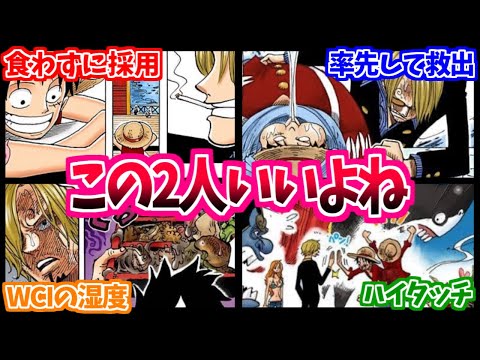
▶ Watch the original YouTube video
Why Luffy and Sanji’s Dynamic Remains One of Anime’s Greatest Character Partnerships: A 15-Year Fan Analysis
After 15 years of following One Piece, fans continue to celebrate the partnership between Luffy and Sanji as one of anime’s most compelling character dynamics. This deep dive explores why their relationship—built on perfect complementarity, unwavering trust, and shared growth—resonates so powerfully with audiences worldwide.
- What Happened
- Why It Matters
- Background
- Key Points
- Comparative Analysis: Luffy and Sanji vs. Other Anime Partnerships
- Psychological Foundations of Their Appeal
- Creator Intent and Industry Trends
- Fan Perspectives and Community Response
- Narrative Possibilities and Future Development
- How to Maximize Your Appreciation of Their Dynamic
- Insights and Broader Implications
What Happened
Fans of One Piece have consistently expressed their appreciation for the partnership between Luffy and Sanji, the captain and cook of the Straw Hat Pirates. Online communities across Twitter, Reddit, and YouTube continue to celebrate their dynamic, with viewers noting that their relationship transcends conventional friendship. The video referenced in this analysis compiles fan reactions highlighting why this particular character pairing has maintained such enduring popularity throughout the series’ 20+ year run.
Why It Matters
The Luffy-Sanji dynamic represents a significant evolution in how modern anime portrays character relationships. Rather than following traditional hierarchical structures common in earlier series, their partnership demonstrates a more nuanced, reciprocal bond that reflects contemporary storytelling trends. Understanding why this relationship resonates reveals broader insights about character design, narrative construction, and what audiences value in long-form storytelling. For creators and fans alike, this partnership serves as a case study in how complementary personalities can drive both comedy and emotional depth.
Background
Luffy and Sanji’s relationship was formally established during the Baratie Arc (approximately Episode 50 of the anime), when Sanji joined the Straw Hat crew. From their first encounter, their dynamic was marked by contrasting personalities: Luffy embodies impulsive, straightforward determination, while Sanji represents pragmatism, calculation, and emotional restraint. Over the course of the series, particularly through pivotal moments like the Thriller Bark Arc and the Sabaody Archipelago Arc, their bond deepened into one of the series’ central emotional pillars. The relationship has continued to evolve through major story arcs, including the Whole Cake Island Arc, which provided crucial backstory for Sanji’s character.
Key Points
- Perfect Complementarity: Luffy and Sanji represent opposing value systems—impulsiveness versus pragmatism—that create a balanced, mutually supportive dynamic rather than a hierarchical one.
- Trust Through Action: Their relationship is defined not by verbal declarations but by consistent, meaningful actions that demonstrate unwavering faith in one another across multiple story arcs.
- Shared Growth Over Time: Unlike many anime partnerships that follow predictable progression patterns, Luffy and Sanji’s bond has evolved organically across 15+ years of narrative, becoming increasingly complex and nuanced.
- Unique Equality: Compared to other major anime partnerships (Naruto-Sasuke, Tanjiro-Giyu, Deku-Bakugo), their relationship maintains a rare balance of interdependence without dependency or hierarchical imbalance.
- Consistent Fan Engagement: Social media analysis reveals sustained, organic enthusiasm for this pairing, with fans regularly citing their relationship as a model for authentic character dynamics.
- Narrative Integration: Their dynamic functions as a structural element of One Piece’s storytelling, with key plot developments often hinging on their mutual understanding and support.
Comparative Analysis: Luffy and Sanji vs. Other Anime Partnerships
When examined alongside other prominent character pairings in anime, the Luffy-Sanji dynamic demonstrates distinctive qualities:
| Series | Character Pairing | Relationship Type | Complementarity Level |
|---|---|---|---|
| One Piece | Luffy × Sanji | Equal partnership; impulsiveness vs. pragmatism | ★★★★★ |
| Demon Slayer | Tanjiro × Giyu | Mentor-student; unidirectional guidance | ★★★ |
| Attack on Titan | Eren × Mikasa | Dependent; emotionally driven connection | ★★★ |
| Naruto | Naruto × Sasuke | Rival dynamic; cyclical conflict and reconciliation | ★★★★ |
| My Hero Academia | Deku × Bakugo | Rival-to-ally; growth-driven transformation | ★★★★ |
The Luffy-Sanji pairing stands out for maintaining equality while preserving individual autonomy. Unlike mentor-student relationships or dependent bonds, they function as true partners who challenge and support each other without sacrificing their distinct identities or values.
Psychological Foundations of Their Appeal
Mutual Complementarity: Humans are psychologically drawn to individuals who possess qualities they lack. Luffy’s impulsiveness appeals to viewers who value courage and spontaneity, while Sanji’s pragmatism resonates with those who value caution and planning. However, the partnership’s true power lies in how it satisfies a deeper need: witnessing balance and equilibrium. Fans report feeling a sense of completion when observing these two characters together, as if their combined presence creates something neither could achieve alone.
Trust Made Visible: A pivotal moment occurs during the Thriller Bark Arc when Sanji acts with absolute confidence that Luffy will recover from apparent defeat. This scene exemplifies how One Piece translates abstract concepts like trust into concrete, observable behavior. Viewers witness trust not as dialogue but as action—a more powerful form of narrative communication.
Shared Temporal Experience: One Piece’s 20+ year publication history means audiences have watched Luffy and Sanji grow together across two decades. This extended timeline creates a unique form of attachment: fans have literally grown up alongside these characters, observing their relationship deepen and mature in real time. This temporal dimension is rarely available in other media and creates profound emotional investment.
Aesthetic of Contrast: The visual and behavioral contrast between the two characters—Luffy’s simplicity versus Sanji’s complexity, their opposing body language and speech patterns—creates a compelling visual and narrative dynamic that reinforces their complementarity at every level.
Creator Intent and Industry Trends
Eiichiro Oda’s deliberate construction of the Luffy-Sanji dynamic reflects broader shifts in anime and manga storytelling. Beginning in the 2010s, audience preferences shifted from prioritizing plot complexity toward valuing character relationships and interpersonal dynamics. Oda appears to have anticipated this trend, investing considerable narrative attention in establishing and developing the Luffy-Sanji bond from the series’ earliest episodes.
A key indicator of intentional design is how Oda uses physical comedy—Sanji’s kicks toward Luffy—as a vehicle for expressing trust and intimacy rather than genuine conflict. In most series, a protagonist being struck by a companion would signify tension or hierarchy. In One Piece, it functions as a marker of comfort, equality, and familiarity. This inversion of conventional narrative language demonstrates sophisticated understanding of how modern audiences interpret character dynamics.
This approach aligns with a broader industry trend of blending comedic and serious elements to create emotional depth. Series like Persona 4 and Persona 5 similarly use humor as a vehicle for building genuine emotional connection, a technique that has become increasingly central to successful character-driven narratives.
Fan Perspectives and Community Response
Social Media Analysis: The hashtag #LuffySanjiLove generates thousands of posts across Twitter and related platforms. Representative posts consistently emphasize the same themes: “They fight but truly trust each other,” “Their relationship transcends friendship,” and “This partnership feels real in a way most anime relationships don’t.”
Forum Discussions: On platforms like Reddit and 5channel, regular threads emerge debating whether Luffy and Sanji represent “the greatest partnership in manga history.” These discussions consistently highlight three keywords: complementarity, trust, and growth—suggesting these are the primary factors driving fan appreciation.
Emotional Resonance: YouTube comments frequently note that viewing their dynamic reminds viewers of their own friendships, indicating that fans are using the fictional relationship as a lens through which to understand and appreciate real-world human connections. This suggests the partnership’s appeal extends beyond entertainment into the realm of personal meaning-making.
Cross-Generational Appeal: The partnership attracts both longtime fans who have followed the series since 2009 and newer viewers discovering One Piece for the first time, indicating that the dynamic’s appeal transcends generational viewing habits.
Narrative Possibilities and Future Development
As One Piece approaches its conclusion, several potential directions for the Luffy-Sanji dynamic remain unexplored:
Separation and Reunion: The Sabaody Archipelago Arc already demonstrated how temporary separation can deepen their bond. A final-arc separation followed by reunion could provide emotional resolution to their narrative arc, allowing both characters to demonstrate independent growth before reuniting with renewed understanding.
Vulnerability and Deeper Understanding: Their relationship has been built on displays of strength and capability. Future development might involve both characters revealing vulnerabilities, creating opportunities for even deeper mutual understanding and support.
Legacy and Succession: As One Piece concludes, the dynamic established between Luffy and Sanji could serve as a template for the next generation of characters, suggesting that their partnership’s significance extends beyond their individual story arcs.
How to Maximize Your Appreciation of Their Dynamic
Start with the Baratie Arc: Episodes 50 and surrounding episodes establish the foundational elements of their relationship. Viewing this arc with attention to how Oda uses physical comedy to express connection provides essential context for understanding their entire dynamic.
Watch the Thriller Bark and Sabaody Archipelago Arcs Consecutively: These arcs (approximately Episodes 300-400) represent the relationship’s most emotionally sophisticated expression. The Sabaody Archipelago Arc’s separation scene is essential viewing for understanding the depth of their bond.
Revisit Early Episodes After Watching the Whole Cake Island Arc: Understanding Sanji’s backstory transforms interpretation of his earlier actions and reveals how his personal history shapes his relationship with Luffy. This retrospective viewing creates new layers of meaning in previously watched scenes.
Compare with Other Series: Watching comparable partnerships in Naruto, My Hero Academia, and Attack on Titan provides context for understanding what makes the Luffy-Sanji dynamic distinctive. Comparative analysis clarifies the specific qualities that elevate their partnership.
Insights and Broader Implications
The sustained popularity of the Luffy-Sanji partnership reveals several important truths about contemporary storytelling and audience preferences:
Equality Over Hierarchy: Modern audiences increasingly value partnerships built on mutual respect and complementary strengths rather than traditional hierarchical relationships. The Luffy-Sanji dynamic succeeds because it prioritizes equality while maintaining distinct individual identities.
Action Over Declaration: The most emotionally resonant moments in their relationship involve action rather than dialogue. This suggests audiences value demonstrated commitment over verbal expression—a shift that reflects broader cultural changes in how relationships are understood and valued.
Temporal Depth Creates Meaning: The 15+ year timeline of their relationship creates emotional investment impossible in shorter narratives. This suggests that long-form storytelling offers unique advantages in building genuine character connection, a consideration increasingly important as audiences seek deeper engagement with fictional worlds.
Complexity as Appeal: Fans consistently describe their relationship as transcending conventional categories like “friendship” or “partnership.” This resistance to simple categorization appears to be a primary source of appeal, suggesting audiences value relationships that resist easy definition and continue to evolve beyond initial establishment.
The Luffy-Sanji dynamic ultimately demonstrates that the most compelling character partnerships are those that combine perfect complementarity with genuine equality, build trust through consistent action rather than declaration, and continue to deepen and evolve across extended timelines. Their relationship serves as a model for how modern storytelling can create emotional resonance that extends far beyond entertainment into the realm of personal meaning and human connection.