▶ Watch the original YouTube video
How ‘One-Line Horror Stories’ Are Reshaping One Piece Fan Culture: A 15-Year Analysis
A creative fan phenomenon known as “One-Line Horror Stories One Piece” has transformed how audiences engage with the beloved manga series, reinterpreting iconic characters and scenes through the lens of Japanese horror tradition. This trend reflects a fundamental shift in fan culture, where audiences have evolved from passive consumers to active co-creators, generating new layers of meaning from existing works.
What Happened
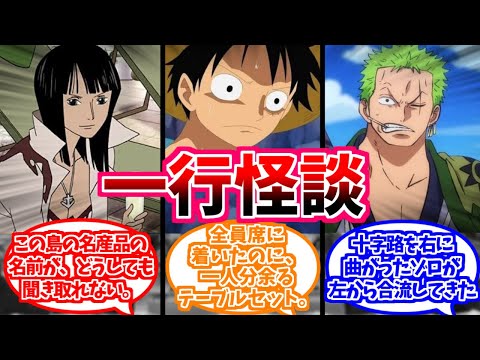
“One-Line Horror Stories One Piece” is a creative fan content format that reinterprets scenes and characters from the manga series One Piece through the traditional Japanese horror storytelling style known as “kaidan.” Rather than presenting the series as an adventure narrative, creators compress key moments into single-line horror narratives that emphasize the unsettling and frightening aspects of the story’s world and characters.
The content has gained significant traction across social media platforms, with fans actively participating in creating and sharing their own interpretations. This participatory phenomenon has sparked widespread discussion about the nature of modern fan engagement and creative expression within fan communities.
Why It Matters
This trend represents a significant evolution in how contemporary audiences interact with established media properties. Rather than simply consuming content as presented, modern fans are engaging in sophisticated recontextualization—taking familiar narratives and placing them within entirely different cultural and emotional frameworks.
The phenomenon demonstrates that fan culture has matured beyond passive consumption into collaborative creative production. It also raises important questions about intellectual property, fan agency, and the relationship between creators and audiences in the digital age. Additionally, it illustrates how traditional cultural forms—in this case, the centuries-old Japanese horror tradition—can be revitalized through contemporary fan practices.
Background
One Piece, created by Eiichiro Oda, began serialization in Weekly Shonen Jump in 1997 and has since become one of the most successful manga series globally. The story follows Luffy and his crew’s adventures across a vast ocean world filled with pirates, treasures, and battles.
The “one-line horror story” format itself is rooted in Japanese literary tradition, representing a minimalist approach to horror that distills fear and unease into extremely brief narratives. This format embodies the Japanese aesthetic principle of beauty through omission and brevity, similar to haiku and senryu poetry.
The convergence of One Piece with horror storytelling is not entirely unprecedented. Similar fan-driven reinterpretations have emerged across various media properties over the past 15 years, including “Pokemon Horror Stories” that circulated on Niconico Douga around 2008, and various philosophical reinterpretations of Attack on Titan beginning around 2013.
Key Points
- Creative Recontextualization: The format takes familiar One Piece moments and reframes them within a horror context, extracting unsettling elements that exist within the original narrative.
- Participatory Culture: Unlike earlier fan phenomena that were primarily created by a small group of creators, this trend encourages broad fan participation across multiple social media platforms.
- Literary Legitimacy: By employing a traditional Japanese literary form, fans position their creative work as a legitimate cultural practice rather than mere fan fiction.
- Thematic Depth: The reinterpretation reveals hidden horror elements within One Piece—such as body transformation, permanent injury, and loss—that exist beneath the adventure narrative.
- Multi-Platform Engagement: The content has spread across Twitter, YouTube, 5channel, and other platforms, generating diverse responses from different audience segments.
- Evolution of Fan Culture: The trend reflects a shift from fans as consumers to fans as co-creators, suggesting a more equitable relationship between audiences and original creators.
Timeline
- 2002: One Piece serialization well-established; early fan culture primarily focused on consumption and discussion.
- 2008: “Pokemon Horror Stories” emerge on Niconico Douga, representing early examples of genre-fusion fan content.
- 2013: Attack on Titan spawns philosophical and historical reinterpretations, demonstrating fan interest in deeper analytical engagement.
- 2019: Demon Slayer fan creations proliferate across Twitter and Pixiv, showing increased fan participation in character relationship reinterpretation.
- 2023: “One-Line Horror Stories One Piece” gains significant traction, becoming a participatory phenomenon across social media platforms.
Perspectives
Supportive Interpretation: Many younger fans (ages 10-20) view this content as an innovative creative format that deepens their engagement with One Piece. They see it as a legitimate form of literary expression that reveals previously unexamined dimensions of the original work. Comments like “This is genius” and “I never thought about it this way” dominate positive responses.
Critical Perspective: Long-time fans express concern that horror reinterpretation fundamentally misrepresents One Piece’s core themes of adventure and friendship. Some worry that the original work’s essence becomes distorted when filtered through a horror lens, and that casual audiences might conflate the fan interpretation with the creator’s actual vision.
Analytical Viewpoint: Deeper forum discussions on platforms like 5channel suggest that the horror format actually illuminates themes already present in One Piece—particularly the series’ treatment of death, loss, and the psychological cost of adventure. These commenters view the reinterpretation as a form of thematic analysis rather than distortion.
Industry Perspective: Animation and game industry professionals increasingly acknowledge that fan-created content deserves serious consideration. Rather than viewing fan creativity as derivative or threatening, some studios now recognize it as a form of cultural engagement that can deepen audience investment in original properties.
Comparative Analysis: Fan Culture Evolution
Examining similar fan phenomena across 15 years reveals a clear progression in how fan communities engage with source material:
| Content Type | Source Material | Reinterpretation Method | Time Period | Characteristics |
|---|---|---|---|---|
| Pokemon Horror Stories | Pokemon | Horror reframing | ~2008 | Video-based, limited creator pool |
| Attack on Titan Analysis | Attack on Titan | Historical and philosophical interpretation | ~2013 | Forum-based discussion, analytical focus |
| Demon Slayer Fan Works | Demon Slayer | Character relationship reconstruction | ~2019 | Twitter and Pixiv-based, visual and narrative focus |
| One-Line Horror Stories One Piece | One Piece | Classical literary form application | ~2023 | Multi-platform, participatory, literary legitimacy |
This progression demonstrates increasing sophistication in fan engagement. Early fan content was primarily created by dedicated individuals. Contemporary fan culture, by contrast, emphasizes collaborative participation, with audiences actively contributing to an evolving collective work. The use of traditional literary forms in recent fan content suggests that creators are consciously positioning their work within established cultural traditions, lending intellectual weight to their creative endeavors.
The Creative Process Behind the Phenomenon
Creating effective one-line horror stories from One Piece requires three distinct creative processes:
Abstraction: Creators must distill complex narrative moments from a sprawling manga series into single sentences. This demands identifying the essential emotional or thematic core of a scene and expressing it with maximum efficiency. For example, Shanks losing his arm becomes not merely an adventure incident, but a meditation on bodily loss and human vulnerability.
Contextual Transformation: The reinterpretation shifts the emotional framework from adventure and camaraderie to fear and unease. This is not simply “making things scary,” but rather extracting latent horror elements that exist within the original narrative while maintaining fidelity to the source material’s fundamental logic.
Communal Development: Individual creations are shared, discussed, and built upon by other community members. This iterative process transforms personal creative work into a collective cultural phenomenon, with each contribution building upon and refining previous interpretations.
Hidden Horror Elements in One Piece
The success of this fan phenomenon rests partly on the recognition that One Piece contains genuinely unsettling elements beneath its adventure narrative. Luffy’s rubber body, when examined from a medical perspective, represents a fundamental violation of human physiology. The permanent injuries suffered by characters—Shanks’ lost arm, the traumas inflicted by antagonists—carry genuine weight and consequence. The series’ treatment of death, sacrifice, and the psychological toll of constant conflict provides rich material for reinterpretation through a horror lens.
These elements have always existed in the source material. The fan phenomenon simply makes them explicit, inviting audiences to recognize and engage with dimensions of the story that the primary narrative frame obscures.
Insights
The “One-Line Horror Stories One Piece” phenomenon represents a watershed moment in contemporary fan culture. It demonstrates that modern audiences no longer accept the traditional hierarchical relationship between creators and consumers. Instead, fans increasingly position themselves as co-creators, capable of generating new meaning and value from existing works.
This shift reflects broader changes in media consumption and cultural production. Digital platforms have democratized the tools of creation and distribution, enabling fans to reach audiences comparable in size to traditional media outlets. Social media has transformed fan communities from isolated individuals into networked collectives capable of coordinating creative efforts and building shared cultural artifacts.
The use of traditional Japanese literary forms—specifically the kaidan tradition—is particularly significant. By grounding their creative work in established cultural practices, fans assert that their reinterpretations constitute legitimate cultural expression rather than derivative fan fiction. This represents a conscious effort to claim intellectual and cultural authority.
Several important implications emerge from this phenomenon. First, original creators and media companies must increasingly recognize fan creativity as a form of engagement that deepens rather than threatens their intellectual properties. Second, the boundaries between “official” and “fan” content are becoming increasingly blurred, requiring new frameworks for understanding cultural production. Third, fan culture has matured into a sophisticated practice requiring genuine creative skill, cultural literacy, and collaborative coordination.
The phenomenon also suggests potential future developments. Similar reinterpretation formats will likely emerge for other popular series, establishing new genres of fan expression. Media companies may increasingly formalize their relationships with fan communities, providing official platforms or recognition for fan-created content. The distinction between fan culture and professional creative work may continue to erode, with successful fan creators potentially transitioning into professional roles.
However, concerns remain. The proliferation of low-quality imitations could dilute the creative impact of the original phenomenon. Audiences unfamiliar with the source material might conflate fan interpretations with canonical content. The original work’s themes and creator’s vision could become obscured by the volume of reinterpretations.
Despite these concerns, the overall trajectory is positive. The “One-Line Horror Stories One Piece” phenomenon demonstrates that contemporary audiences possess both the creative capacity and the cultural literacy to engage with complex media properties in sophisticated ways. It shows that fan culture has evolved from passive consumption into active cultural production, generating new meaning and value from existing works while maintaining respect for their source material.
This represents not a threat to original creators, but rather evidence that their work has achieved sufficient depth and complexity to sustain multiple interpretive frameworks. It suggests a future in which creators and audiences collaborate more directly in the ongoing evolution of beloved stories and characters.