▶ Watch the original YouTube video
Why Meisei’s Quiet Madness in ‘100 Girlfriends’ Resonates With Anime Fans: A 15-Year Analysis of Character Evolution
After watching over 500 anime series across 15 years, one character stands out for her uniquely unsettling portrayal of psychological instability: Meisei from “100 Girlfriends Who Really, Really, Really Love You.” Unlike traditional “unhinged” characters who express madness through explosive outbursts, Meisei embodies a new archetype—quiet, methodical, and deeply unsettling—that reflects evolving audience expectations and modern anime storytelling.
- What Happened
- Why It Matters
- Background
- Key Points
- The Evolution of Madness in Anime: From Explosive to Introspective
- The Ecosystem of Abnormality
- Why Audiences Connect With Quiet Madness
- Comparative Character Analysis
- Modern Anime Trends: The Rise of Psychological Complexity
- Predicted Character Development Trajectory
- Fan Reception and Online Discourse
- Broader Implications for Anime and Character Design
- Conclusion: A New Era of Character Expression
What Happened
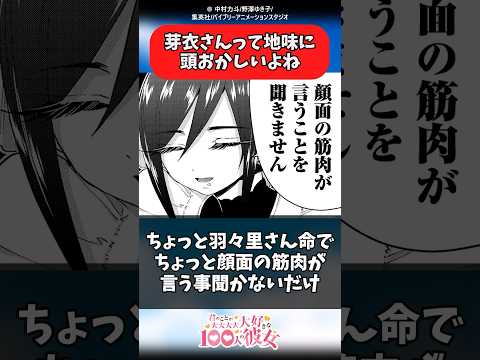
A viral video compilation showcasing fan reactions to Meisei’s character has sparked widespread discussion about her psychological complexity and appeal. The video highlights how viewers interpret her behavior—from her inability to open her eyes and control her facial muscles, to her disturbing willingness to sell her organs and her harsh treatment of her younger sister—as evidence of a new form of character expression in anime. Rather than dismissing her as simply “crazy,” fans recognize her as representing a sophisticated evolution in how madness is portrayed on screen.
Why It Matters
Meisei’s character represents a significant shift in anime storytelling and audience maturity. As the anime viewership has aged from primarily teenagers and young adults to include viewers in their 20s, 30s, and 40s, the industry has responded by creating more psychologically complex characters. Meisei embodies this trend—her “quiet madness” feels more realistic and relatable than the explosive insanity of earlier anime villains and unhinged characters. This evolution reflects broader changes in how contemporary media portrays psychological instability and human complexity.
Background
“100 Girlfriends Who Really, Really, Really Love You” is a manga series that deliberately subverts traditional romantic comedy tropes. The premise—a protagonist with 100 girlfriends—is inherently absurd, but the series distinguishes itself by having nearly every character exhibit some form of psychological abnormality. This creates what might be called a “madness ecosystem” where Meisei’s particular brand of quiet instability becomes even more pronounced by contrast.
Meisei’s character design includes several unsettling physical traits: her eyes remain perpetually closed, her facial muscles don’t respond normally, and her smile appears frozen in place. These aren’t presented as comedic quirks but as visual manifestations of deeper psychological dysfunction. Her behavior—expressing joy at the prospect of caring for family members 24/7, casually discussing organ sales, and being unusually harsh to her sister—compounds this impression of controlled, internalized madness.
Key Points
- Quiet Expression of Madness: Unlike previous anime characters whose insanity manifests through explosive violence or dramatic mood swings, Meisei’s psychological dysfunction is expressed calmly and matter-of-factly, making it more unsettling and psychologically realistic.
- Physical Manifestation: Her inability to open her eyes and control her facial expressions serves as a visual metaphor for psychological disconnection, preventing viewers from reading her true emotional state and creating persistent unease.
- Contradictory Behavior Patterns: Her simultaneous expressions of devotion (wanting to care for family 24/7) and disturbing actions (considering organ sales) reveal a fragmented psychological state that feels more authentic than one-dimensional madness.
- Selective Targeting: Her harsh treatment of her sister, rather than random cruelty, suggests a more sophisticated form of psychological dysfunction—she chooses her targets, making her more dangerous and realistic.
- Environmental Dependency: Fan speculation about how her behavior might change outside the home suggests her madness is situational and adaptive, not absolute, adding another layer of psychological complexity.
- Audience Recognition: Fans explicitly praise her “quiet madness,” indicating they recognize and appreciate this new character archetype as distinct from previous portrayals of insanity in anime.
The Evolution of Madness in Anime: From Explosive to Introspective
Previous generations of anime portrayed psychological instability through dramatic, external expressions. Characters like Rena Ryugu from “Higurashi: When They Cry” (2006) expressed madness through sudden violent outbursts, screaming, and physical aggression. Similarly, Mitsuri Kanroji from “Danganronpa 2” channeled her instability into calculated murder and cold smiles. These characters made their psychological dysfunction immediately obvious to viewers.
Meisei represents a fundamental departure from this approach. Her madness accumulates through small, unsettling details rather than explosive moments. The viewer experiences her dysfunction as a series of minor violations of social norms—the fixed smile, the closed eyes, the casual mention of organ sales—that collectively create an impression of profound psychological disturbance. This mirrors real-world psychological dysfunction more accurately than the theatrical madness of earlier characters.
This shift reflects broader changes in how mature audiences consume media. Where younger viewers might need explicit, obvious signals of a character’s instability, older audiences can appreciate subtlety and psychological nuance. Meisei’s quiet, controlled presentation of madness allows viewers to project their own interpretations onto her behavior, creating deeper engagement and more complex emotional responses.
The Ecosystem of Abnormality
What makes Meisei’s character particularly effective is the context of “100 Girlfriends.” The series deliberately populates its world with characters who are almost universally psychologically abnormal. This is not accidental—it’s a core design choice that makes Meisei’s particular brand of dysfunction stand out even within a cast of unstable characters.
Fan comments noting that “normal people are extremely rare in this manga” reveal that viewers understand this design philosophy. By surrounding Meisei with other psychologically complex characters, the series creates a “madness hierarchy” where her quiet, internalized dysfunction becomes more prominent than more obviously unhinged characters. This is a sophisticated narrative technique that rewards attentive viewing.
Additionally, Meisei’s selective cruelty toward her sister—rather than random aggression—suggests a more evolved form of psychological dysfunction. In psychological analysis, targeted aggression is often considered more dangerous than indiscriminate violence because it indicates intentionality and control. Meisei’s ability to direct her dysfunction toward specific targets suggests a level of psychological sophistication that makes her simultaneously more sympathetic and more frightening.
Why Audiences Connect With Quiet Madness
The appeal of characters like Meisei lies in a fundamental psychological principle: humans are drawn to representations of their own suppressed impulses. Society requires individuals to suppress their “madness”—their irrational desires, aggressive impulses, and antisocial thoughts. Anime provides a safe space to experience these suppressed aspects of human nature through fictional characters.
Quiet madness is particularly effective at generating this connection because it feels realistic. Explosive madness reads as theatrical and impossible; quiet madness feels like something that could exist in the real world. When viewers watch Meisei calmly discuss organ sales or express joy at 24-hour caregiving duties, they recognize these as distorted versions of real human emotions and desires. This recognition creates a deeper, more unsettling form of engagement than traditional “crazy character” archetypes.
Furthermore, the ambiguity surrounding Meisei’s true mental state invites interpretation. Because her madness is expressed subtly rather than explicitly, viewers must actively interpret her behavior and motivations. This interpretive process creates stronger emotional investment and more memorable character impressions than characters whose psychology is spelled out explicitly.
Comparative Character Analysis
| Character | Series | Expression of Madness | Target of Dysfunction | Viewer Response |
|---|---|---|---|---|
| Meisei | 100 Girlfriends | Quiet, methodical behavior | Specific targets (family, sister) | Unease mixed with fascination |
| Rena Ryugu | Higurashi: When They Cry | Violent, explosive outbursts | Indiscriminate | Fear and shock |
| Mitsuri Kanroji | Danganronpa 2 | Calculated, cold-blooded | Purposeful targets | Intellectual interest and dread |
| Tsubasa Hanekawa | Monogatari Series | Verbal expression and manipulation | Specific individuals | Discomfort and intrigue |
This comparison reveals that Meisei occupies a unique position. While other characters express madness through violence, calculation, or manipulation, Meisei’s dysfunction manifests through calm acceptance of abnormal situations and subtle behavioral inconsistencies. Her approach is neither explosive nor explicitly calculated—it’s simply “wrong” in ways that are difficult to articulate, making her psychologically distinctive.
Modern Anime Trends: The Rise of Psychological Complexity
The 2010s saw anime dominated by “explosive madness”—series like “Higurashi,” “School Days,” and “Future Diary” achieved popularity through clear, dramatic representations of psychological dysfunction. These works appealed to younger audiences who appreciated obvious, visceral depictions of instability.
However, the 2020s have witnessed a significant shift. Contemporary series like “Jujutsu Kaisen” and the final chapters of “Attack on Titan” increasingly feature characters whose madness is complex, contradictory, and psychologically nuanced. This reflects the maturation of anime’s core audience. As viewers age, they develop greater appreciation for psychological subtlety and complexity.
Meisei represents the cutting edge of this trend. Her character design and behavior patterns suggest that modern anime creators are deliberately moving away from theatrical madness toward more realistic, psychologically grounded portrayals of dysfunction. This evolution indicates that the industry recognizes its audience’s growing sophistication and is responding accordingly.
Predicted Character Development Trajectory
Based on patterns observed in similar character arcs, Meisei’s psychological dysfunction will likely progress through distinct stages:
Stage 1 (Current): Small signs of madness appear—closed eyes, organ sale consideration, harsh treatment of sister. Viewers recognize dysfunction but it remains somewhat contained.
Stage 2 (Predicted): Madness becomes more obvious as her attachment to the protagonist deepens. Her obsessive tendencies intensify, and her behavior becomes increasingly difficult to rationalize as quirky.
Stage 3 (Speculated): Her psychological dysfunction reaches a critical point where it can no longer be contained or hidden. External manifestations of her internal madness become unavoidable.
This progression suggests that Meisei’s character arc will explore whether her madness stems from psychological trauma, environmental factors, or inherent neurological differences. The most compelling narrative outcome would involve revealing the origins of her dysfunction rather than simply deepening it.
Fan Reception and Online Discourse
Online reactions to Meisei reveal sophisticated audience interpretation. Comments like “I like how she’s harsh to her sister” indicate that fans appreciate her selective cruelty as evidence of psychological complexity rather than simple meanness. The repeated observation that “she’s quietly going insane” shows that viewers explicitly recognize and value her unique approach to expressing madness.
The comment “there are barely any normal people in this manga” demonstrates that fans understand the series’ deliberate design philosophy. Rather than viewing abnormality as a flaw, audiences recognize it as a core creative choice that enhances the work’s psychological depth.
Even humorous criticism—such as “don’t drive with your eyes closed”—reveals that fans acknowledge the danger inherent in Meisei’s behavior while simultaneously accepting it as part of her character identity. This balanced response suggests mature audience engagement with complex psychological portrayal.
Broader Implications for Anime and Character Design
Meisei’s success raises important questions about the future direction of anime character development. If quiet, psychologically complex madness becomes the industry standard, will this represent genuine artistic evolution or merely trend-chasing? The history of anime suggests that when one successful work establishes a new archetype, numerous imitations follow, not all of which maintain the original’s sophistication.
The most valuable outcome would be if Meisei’s popularity encourages creators to develop psychologically nuanced characters across multiple genres, not just in works explicitly focused on abnormality. Sophisticated character psychology enhances any narrative, regardless of genre.
Additionally, the success of characters like Meisei suggests that audiences are ready for more complex, ambiguous moral and psychological landscapes in anime. This opens possibilities for more mature storytelling that doesn’t rely on explicit violence or obvious dysfunction to convey psychological complexity.
Conclusion: A New Era of Character Expression
Meisei from “100 Girlfriends Who Really, Really, Really Love You” represents more than simply an interesting character design. She embodies a fundamental evolution in how anime portrays psychological complexity and human dysfunction. Her quiet, methodical madness reflects the maturation of anime audiences and the industry’s response to that maturation.
Over 15 years of anime viewing, countless “crazy” characters have appeared on screen. Few, however, possess Meisei’s particular combination of psychological realism, subtle expression, and unsettling appeal. She is not merely an individual character but a symbol of anime’s transition from theatrical, obvious madness to complex, internalized psychological dysfunction.
The question moving forward is not whether Meisei’s archetype will influence future character design—it almost certainly will. Rather, the question is whether future creators will understand that Meisei’s effectiveness derives from her psychological authenticity and subtle complexity, or whether they will simply imitate her surface characteristics without capturing her psychological depth. The answer to this question will largely determine whether this represents genuine artistic evolution or merely another trend in anime’s cyclical history.