▶ Watch the original YouTube video
Why the Abnormal Class Families Are So Powerful: A Character-by-Character Analysis
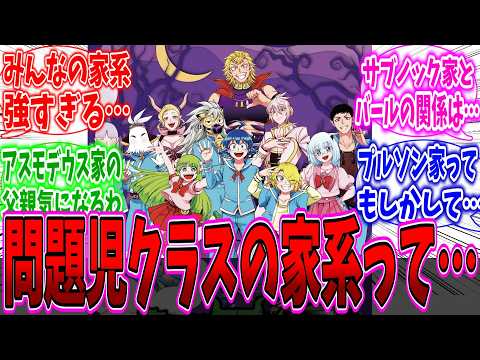
In “Welcome to Demon School! Iruma-kun,” the Abnormal Class students possess extraordinary abilities rooted not in personal talent alone, but in their family lineage and inherited demonic powers. This analysis explores why the parents of these “problem children” are exceptionally strong and how their family backgrounds shape the narrative.
What Happened
A viral video analysis examining the family backgrounds of characters in “Welcome to Demon School! Iruma-kun” has sparked widespread fan discussion about why the Abnormal Class students are so powerful. The analysis reveals that their exceptional abilities stem directly from their family lineage and inherited demonic powers, rather than individual effort alone. Characters such as Asmodeus, Sabro, Alice, Clara, and others all possess family connections to high-ranking demons, creating a pattern where parental strength directly influences their children’s capabilities.
Why It Matters
The emphasis on family lineage in “Iruma-kun” represents a unique narrative approach within the anime and manga industry. While other popular series like “Attack on Titan” and “Jujutsu Kaisen” also explore bloodline-based power systems, “Iruma-kun” handles this theme with humor and irony—the children of powerful demons are labeled “problem children” precisely because their families are too strong. This inverted logic creates a compelling contrast with the series’ protagonist, Iruma, who lacks prestigious family connections yet must navigate a world where bloodline determines social status and power. Understanding this dynamic is essential for appreciating the series’ thematic depth and character development.
Background
“Welcome to Demon School! Iruma-kun” centers on Iruma, a human boy who is sold to a demon and enrolled in a demon school. His classmates in the Abnormal Class are all children of high-ranking demons, each inheriting specific magical abilities tied to their family lines. The series uses incomplete family information as a narrative device—characters whose parents are not fully detailed often possess hidden depths or untapped potential. This storytelling technique mirrors approaches seen in other acclaimed series like “Attack on Titan” (2013) and “Hunter × Hunter” (1998), where withheld information about parental figures becomes crucial to later plot developments.
Key Points
- Hereditary Power System: Abnormal Class students inherit high-level demonic abilities from their parents, with family lineage serving as the primary determinant of power level.
- Incomplete Family Information as Foreshadowing: Characters whose parental details remain unclear—such as Clara, Kerori, and Allocer—may possess the most dangerous potential, as withheld information typically signals future plot significance.
- Social Status Correlation: Characters from prestigious demon families like Asmodeus and Sabro demonstrate both inherited power and refined social standing, though their individual merits also contribute to their strength.
- Unique Family Abilities: Each demon family possesses distinctive magical traits passed down through generations; for example, Elizabetta’s “Full Love Gauge” limitation reflects her family’s specific magical characteristics.
- Parental Absence as Strength Indicator: Characters whose parents are notably absent or mysterious—such as Clara’s adventuring father and Lied’s missing parents—often possess exceptional personal strength, suggesting they developed independently.
- Political Alliances Over Blood Relations: Some family connections, such as the relationship between Baal and the Sabnock clan, may represent political alliances rather than direct bloodline inheritance.
Character Family Analysis
Asmodeus: While his father’s identity remains undisclosed, Asmodeus maintains strong family pride and loyalty to Iruma, suggesting he derives strength not solely from parental power but from personal conviction.
Sabro: His father holds the rank of Colonel (Rank 8), with connections to Baal through the Sabnock clan’s weapons repository. This suggests a complex political structure underlying family strength.
Alice: Her mother ranks at Rank 13, placing her among the highest-ranking demons and directly explaining Alice’s considerable power.
Clara: Both parents remain largely mysterious, with her father described as an adventurer traveling the demon realm alone. This absence paradoxically suggests exceptional parental strength, as only a powerful demon could survive such solitary journeys.
Kerori: Notably, Kerori did not list her father among her most cherished relationships, suggesting either parental absence or psychological distance that may carry future narrative significance.
Allocer and Elizabetta: These characters have the least detailed family information, positioning them as potential focal points for future story developments regarding hidden family power.
Lied: Living with only her sister and possessing Rank 8 strength despite apparent parental absence, Lied exemplifies how lack of family support can drive individual development and personal power.
Perspectives
The Narrative Function of Bloodline: Unlike “Jujutsu Kaisen,” where bloodline-based power disparity is portrayed as tragic, “Iruma-kun” treats family strength as comedic irony. The children of the most powerful demons are labeled “abnormal” and “problematic” precisely because they cannot help but demonstrate their inherited abilities.
Information Gaps as Story Devices: The series deliberately withholds complete family information for certain characters. In anime and manga storytelling conventions, such omissions typically signal that these details will become crucial to future plot developments. This mirrors the approach used in “Attack on Titan,” where parental mysteries were gradually revealed to reshape the entire narrative.
Individual Strength vs. Inherited Power: Asmodeus represents a counterpoint to pure bloodline determinism. Despite unclear paternal origins, he demonstrates that personal loyalty, conviction, and effort can rival inherited demonic power. This perspective suggests the series ultimately values character development alongside family legacy.
Social Structure and Power: Purson’s father, described as the developer of recognition-blocking artifacts and implied to be a corporate leader, represents a new category: parents whose power derives from social influence rather than raw demonic strength. This expands the definition of “family power” beyond combat ability.
Insights
“Welcome to Demon School! Iruma-kun” uses family lineage not merely as a power-scaling mechanism but as a thematic exploration of identity, inheritance, and individual agency. The series’ central irony—that children of the strongest demons are labeled “problem children”—reflects a deeper commentary on how family legacy can both enable and constrain personal development.
The deliberate incompleteness of certain family backgrounds serves multiple narrative purposes. It creates mystery that sustains long-term reader engagement, it foreshadows future plot revelations, and it positions characters with unclear parentage as potential wild cards in the story’s evolution. This technique has proven effective in other acclaimed series and suggests the author has planned significant reveals regarding these characters’ true family power.
Ultimately, the Abnormal Class families are strong because the series operates within a demon society where power is fundamentally inherited and hierarchical. However, the narrative’s true sophistication lies in how it uses this system to explore questions of identity: Can one transcend family legacy? Does inherited power guarantee personal strength? Can loyalty and conviction rival bloodline? Iruma’s journey as a human without demonic heritage navigating this world of powerful families provides the thematic anchor for these questions.
For viewers seeking deeper engagement with the series, attention to family background details—both revealed and conspicuously absent—enhances appreciation of the narrative’s layered construction and foreshadows upcoming developments in the story.