▶ Watch the original YouTube video
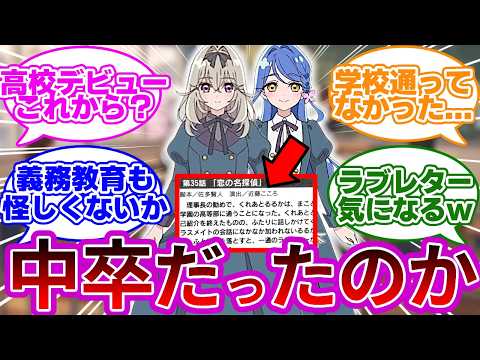
Detective Precure introduced an unusual character detail: protagonists Luluka and Claire, both 16 years old, were middle school graduates who only began attending high school in episode 34. This seemingly contradictory setup reveals a deliberate narrative choice rooted in the UK education system and the characters’ unconventional backgrounds as child detectives in London.
What Happened
In Detective Precure, characters Luluka and Claire are introduced as teenage detectives who have been operating independently in London since age 13. However, viewers noticed they did not attend high school until episode 34, when they enrolled at Seimiroku Academy’s high school division following events at a police station. This enrollment marked their first official school attendance, despite being 16 years old—an age when most Japanese students would already be in their second year of high school.
Why It Matters
This character detail matters because it represents a deliberate departure from traditional Precure series conventions. Previous Precure protagonists, such as those in Precure 5 and Heartcatch Precure, balanced school life with their magical duties through after-school activities. Luluka and Claire’s complete absence from formal education until age 16 suggests the creators intentionally chose a more complex, internationally-informed character background. Understanding this choice reveals how modern anime can incorporate real-world educational systems into storytelling and character development.
Background
Luluka and Claire began their detective careers at age 13 in London, recruited by fairy companions to solve mysteries. By age 14, they had already established themselves as “genius detectives.” The series provides minimal information about their family structure, with dialogue suggesting they lacked close family support during their formative years. This absence of parental guidance coincides with their entry into professional detective work—a lifestyle incompatible with traditional school attendance.
The key to understanding this setup lies in recognizing that Luluka and Claire are British characters operating within the UK education system. Unlike Japan’s compulsory daily school attendance, the United Kingdom permits homeschooling as a legal and recognized form of education. Historical data from 1997 estimated approximately 10,000 children in Britain received education outside the formal school system.
Key Points
- Luluka and Claire are currently 16 years old but only began attending high school (Seimiroku Academy) from episode 34 onward
- They began detective work at age 13 in London, during the typical high school enrollment period in Japan
- The UK education system permits homeschooling as a legal alternative to traditional school attendance
- The characters’ background suggests limited family support, indicating possible homeschooling or independent education arrangements
- This setting contrasts sharply with previous Precure series, where protagonists balanced school and magical duties simultaneously
- The narrative structure suggests their family background and educational history will become important plot elements
Timeline
- Age 13: Luluka and Claire recruited as detectives in London; begin professional detective work
- Age 14: Establish themselves as “genius detectives” in London
- Age 16 (Present): Move to Japan; continue detective work
- Episode 34: Enroll in Seimiroku Academy high school division following police station incident
Perspectives
The Homeschooling Interpretation: Given their London location and early detective career, Luluka and Claire likely received education through homeschooling arrangements. This would explain their knowledge and competence despite lacking formal school credentials. The UK’s legal recognition of homeschooling makes this scenario plausible and narratively coherent.
The Family Absence Theory: Dialogue indicating “no family nearby to support them” suggests three possible scenarios: (1) their parents were absent or lacked custody, requiring guardians to oversee their education; (2) their parents lived far away, necessitating independent or fairy-assisted education; or (3) their parents existed but could not directly manage their education due to other circumstances. Any of these would justify their lack of formal school attendance.
The Narrative Choice: Rather than simply introducing them as transfer students, the creators deliberately established a complex educational background. This choice adds depth to their characters and explains potential social awkwardness or difficulty integrating with classmates—realistic consequences of missing typical school socialization.
Comparison with Previous Precure Series
Previous Precure protagonists managed dual lives through structured schedules. Misaki from Precure 5 attended elementary school while fighting monsters after school. Tsubomi from Heartcatch Precure balanced middle school with magical duties. Luluka and Claire reverse this model: they lived entirely within their “extraordinary” detective world before entering the “ordinary” world of high school. This inverted progression creates different narrative opportunities for character growth and social integration.
Insights
The decision to make Luluka and Claire middle school graduates reflects sophisticated storytelling that acknowledges international education systems. Rather than forcing characters into Japan’s rigid school structure, the creators grounded their backgrounds in realistic UK educational alternatives. This approach demonstrates how anime can incorporate global contexts to enhance character authenticity.
The unresolved questions about their family relationships and educational background suggest these elements will become significant plot drivers. Their transition from isolated detective work to high school life represents a fundamental shift in their social and emotional development—a journey that mirrors the core Precure theme of growth through connection and community.
Ultimately, Luluka and Claire’s educational status is not a continuity error but an intentional design choice that deepens their characterization and opens narrative possibilities for exploring how individuals adapt when entering mainstream social structures for the first time.