▶ Watch the original YouTube video
How Dragon Ball Piston Reaction Videos Reveal the Evolution of Anime Fandom in the Short-Form Video Era
A new format of reaction video featuring physical “piston” movements in response to Dragon Ball characters has emerged on YouTube Shorts and TikTok, representing a significant shift in how anime content is consumed and remixed. This trend reflects broader changes in fan engagement, from passive viewing to active physical participation, while demonstrating the enduring cultural relevance of Dragon Ball nearly four decades after its debut.
What Happened
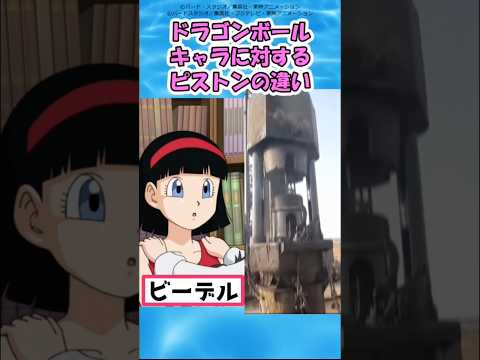
A new video format has gained traction on social media platforms in which creators respond to Dragon Ball characters using physical “piston” movements—repetitive body motions that vary in intensity based on the character being reacted to. Rather than traditional emotional reactions or verbal commentary, these videos use kinetic expression to convey character strength, power level, and impact. The format condenses multiple character reactions into short, visually engaging clips optimized for platforms like YouTube Shorts and TikTok.
Why It Matters
This trend illustrates a fundamental transformation in how anime fans engage with beloved franchises. Over the past 15 years, reaction videos have evolved from simple emotional responses to increasingly sophisticated physical and visual expressions. The piston reaction format demonstrates how creators are adapting to algorithmic preferences for immediate visual impact, language-independent content, and high repeatability. More broadly, it shows that Dragon Ball—a 38-year-old franchise—continues to generate new creative formats and maintain cultural relevance across generations, a phenomenon worth understanding for anyone interested in anime culture, content creation trends, or how legacy media properties sustain engagement in the social media age.
Background
Reaction videos emerged as a popular YouTube genre in the mid-2010s, initially featuring foreign viewers watching anime for the first time. Early formats focused on emotional responses—tears, laughter, shock—to iconic scenes. By 2019, the format had evolved to include ranking-based reactions, where creators responded to character strength hierarchies. The latest iteration, beginning around 2022-2023, incorporates physical and kinetic responses, leveraging the rise of short-form video platforms.
Dragon Ball, which began serialization in 1986, has maintained unusual cultural staying power. The franchise introduced the concept of “power levels” as a quantifiable metric for character strength, making it particularly suited to ranking and comparative content. With dozens of major characters spanning multiple series, Dragon Ball provides extensive material for content creators seeking fresh angles on familiar intellectual property.
Key Points
- Format Evolution: Reaction videos have progressed from emotional responses (2015-2018) to ranking-based commentary (2019-2021) to physical, kinetic reactions (2022-present), with each iteration increasing visual impact and repeatability.
- Algorithmic Optimization: Physical reactions succeed on short-form platforms because they capture attention in the first second, transcend language barriers, and remain visually distinct across multiple viewings of similar content.
- Dragon Ball’s Structural Advantages: The franchise’s emphasis on quantifiable power levels, extensive character roster, and multi-generational recognition make it ideal for reaction content that can be produced repeatedly with high viewer retention.
- Viewer Psychology: The format works because it balances predictability (viewers expect stronger characters to generate more intense reactions) with surprise (unexpected reactions create engagement through subverted expectations).
- Participatory Culture: These videos represent a shift from passive consumption to active fan participation, with viewers sharing their own reactions and engaging in character strength debates in comment sections.
- Content Sustainability: The piston reaction format provides a new mechanism for the “continuous reproduction” of Dragon Ball content, extending the franchise’s commercial and cultural lifecycle indefinitely.
Timeline of Reaction Video Evolution
- 2015-2018: Emotional reaction videos dominate; foreign viewers watch iconic anime scenes for the first time, focusing on tears, shock, and surprise.
- 2019-2020: Ranking-based reactions emerge; creators respond to character strength hierarchies and popularity lists.
- 2022-2023: Physical and kinetic reactions gain prominence; body movements, gestures, and choreography become primary reaction methods.
- 2024-Present: Piston reactions and complex physical expressions become standard; AR effects and interactive challenges begin to emerge.
Perspectives
Creator Perspective: For content creators, the piston reaction format offers significant advantages. It requires minimal explanation, works across language barriers, and allows for rapid production of multiple variations. A single video can showcase reactions to 10+ characters in under 60 seconds, maximizing content output while maintaining viewer engagement.
Viewer Perspective: Audience reception is mixed but predominantly positive. Many viewers appreciate the format’s novelty and visual clarity, with YouTube comments frequently comparing reactions to character strength and discussing whether the intensity matches their expectations. However, some viewers—particularly older demographics—express frustration with the lack of detailed explanation or deeper character analysis, preferring traditional commentary-based formats.
Platform Perspective: YouTube Shorts and TikTok algorithms favor content that generates immediate visual interest, encourages repeat viewing, and maintains viewer attention through the first three seconds. Physical reactions excel on these metrics, explaining their rapid proliferation across platforms.
Franchise Perspective: For Toei Animation and the Dragon Ball rights holders, these fan-generated reaction videos function as free marketing that keeps the franchise in algorithmic circulation and introduces the property to new audiences. The format’s sustainability ensures continuous organic promotion.
Comparative Analysis: Reaction Videos Across Anime Franchises
Dragon Ball’s dominance in reaction video content reflects structural differences between major anime franchises. One Piece, while equally iconic, features more complex character power dynamics that resist simple quantification, making ranking-based reactions less intuitive. Naruto similarly emphasizes technique and strategy over raw power, complicating physical reaction formats. Attack on Titan’s character strength varies dramatically based on context and circumstance, making consistent reactions difficult.
Dragon Ball’s explicit power-level system and relatively straightforward strength hierarchy make it uniquely suited to reaction content. Characters can be reliably ranked, and viewers immediately understand why a particular reaction intensity is appropriate. This structural clarity explains why Dragon Ball generates significantly more reaction content than comparable franchises.
Future Trajectory and Emerging Trends
Based on current platform trends, several developments appear likely. First, more complex physical expressions will emerge beyond simple piston movements—choreographed sequences, martial arts poses, and multi-person synchronized reactions are already appearing. Second, augmented reality integration will likely increase, with visual effects layered onto physical reactions to enhance impact. Third, interactive and gamified formats will expand, with viewers invited to submit their own reactions or predict creator responses before watching.
The most significant potential development is the fusion of physical reactions with detailed character analysis. Videos that combine kinetic expression with substantive commentary about character motivation, story arc, and thematic significance could represent the next evolution, addressing criticisms that pure reaction formats lack depth.
Insights
The piston reaction phenomenon reveals several important truths about contemporary anime fandom and digital culture. First, it demonstrates that legacy media properties can sustain indefinite engagement through format innovation rather than new content creation. Dragon Ball generates more fan-created content in 2024 than many currently airing series, despite being 38 years old, because the franchise’s structure lends itself to infinite remixing.
Second, the format illustrates how platform algorithms shape creative expression. The rise of physical reactions is not organic artistic evolution but rather direct adaptation to algorithmic preferences for immediate visual impact and language-independent content. Creators are optimizing for metrics, and the format that succeeds is the one that performs best algorithmically.
Third, piston reactions represent a broader shift from passive consumption to participatory culture. Viewers no longer simply watch anime; they create content about anime, debate character rankings, and share their own reactions. This transformation from audience to creator-audience fundamentally changes how franchises maintain cultural relevance.
Finally, the format’s success suggests that visual and kinetic communication may increasingly replace verbal explanation in short-form media. As attention spans compress and platform time limits tighten, creators are discovering that what the body expresses in two seconds might require 20 seconds of verbal explanation. This shift has implications far beyond anime, affecting how information is conveyed across all digital media.
Ultimately, Dragon Ball’s continued cultural productivity through reaction videos demonstrates the franchise’s structural resilience. As long as platforms reward short-form visual content and audiences seek novel ways to engage with familiar properties, Dragon Ball will generate new creative formats. The piston reaction is not the final evolution—it is simply the current iteration of an endless cycle of remixing and reinterpretation that will sustain the franchise for decades to come.