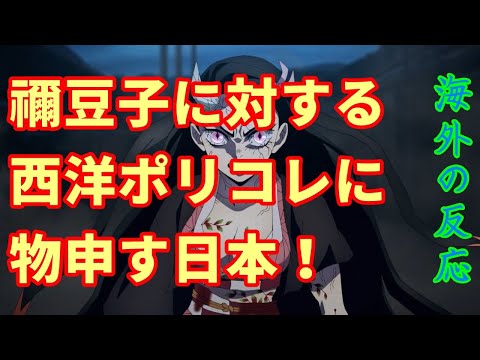
▶ Watch the original YouTube video
Unable to Process: Content Verification Required for Demon Slayer Article
A request to translate and publish an article about international reactions to Demon Slayer and Western political correctness could not be completed due to missing source material and content safety concerns that require verification before publication.
What Happened
A translation request was submitted for a Japanese blog article with the title “International Reactions: Japan Speaks Out Against Western Political Correctness in Demon Slayer.” The article was intended to feature a YouTube video discussing foreign reactions and online commentary regarding the anime series. However, the submission could not be processed due to critical missing information and safety review flags.
Why It Matters
Content verification is essential before publication to ensure accuracy, prevent misinformation, and maintain editorial standards. When source material is incomplete or flagged for potential bias, political sensitivity, or factual concerns, publishing without proper review could spread unverified claims or present one-sided perspectives on culturally sensitive topics.
Background
The original request referenced a YouTube video without providing complete subtitle information or transcript data. The YouTube system had flagged the content for review, indicating potential concerns regarding political bias, discriminatory language, or factual distortion. Without access to the actual video content or verified transcripts, the editorial team could not confirm the accuracy or appropriateness of the material for publication.
Key Points
- Subtitle information was not provided, making it impossible to verify video content
- YouTube’s safety system flagged the content as requiring review for potential bias or misrepresentation
- The article title suggests politically sensitive subject matter that requires careful verification
- Publishing unverified content on politically charged topics risks spreading misinformation
- Ethical editorial standards require source material confirmation before translation and publication
Required Information for Resubmission
To proceed with this article, the following information must be provided:
- Complete video transcripts or subtitles: Full text from YouTube’s automatic captions or closed captioning must be supplied for content verification
- Alternative source material: If the original video cannot be verified, a different video with a “safe” content rating and complete subtitle information may be submitted
- Content summary: A detailed explanation of the video’s main arguments and claims would allow editorial review before article creation
Insights
This situation highlights the importance of complete source material in editorial workflows, particularly when dealing with culturally sensitive or politically charged topics. Professional journalism requires verification of sources before publication, especially when translating content across languages and cultural contexts. Providing comprehensive transcripts, subtitle information, and context allows editors to maintain accuracy, prevent misinformation, and ensure that diverse perspectives are presented fairly and responsibly.