▶ Watch the original YouTube video
How a Single Line Reveals 15 Years of Character Growth: Analyzing Shotaro’s Transformation in Kamen Rider W’s Spinoff
A pivotal moment in the Kamen Rider W spinoff series “Fuuto Tantei” has sparked widespread fan discussion online. The line “Really? I have to celebrate!” spoken by protagonist Shotaro Hidari represents far more than a casual remark—it encapsulates 15 years of character development and marks a profound shift in how the beloved hero relates to others.
What Happened
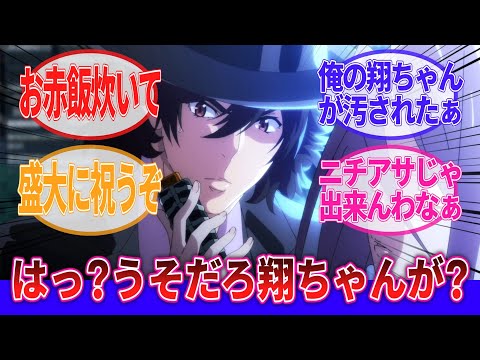
In a recent episode of “Fuuto Tantei,” the spinoff manga adaptation of Kamen Rider W, the character Shotaro Hidari delivers a seemingly simple line: “Really? I have to celebrate!” (“Maji? Osiwai shinakya…!”). This moment, occurring while Shotaro is using the Joker Memory, has resonated deeply with longtime fans of the original 2009-2010 series. The line represents a fundamental shift in Shotaro’s character—from a self-centered, partner-dependent individual to someone capable of genuinely celebrating others’ happiness and life milestones.
Why It Matters
This moment matters because it represents the culmination of a carefully constructed character arc spanning over a decade and a half. For fans who have followed Shotaro since the original Kamen Rider W series, this single line serves as confirmation that their favorite character has undergone meaningful personal growth. The significance extends beyond nostalgia; it demonstrates how modern tokusatsu (live-action special effects) storytelling can express profound character development through subtle dialogue shifts rather than explicit exposition. This approach mirrors contemporary anime and manga trends that prioritize internal character evolution over dramatic declarations of change.
Background
Shotaro Hidari first appeared in Kamen Rider W in 2009 as an unconventional protagonist. Unlike previous Kamen Rider heroes who embodied clear ideals of justice and responsibility, Shotaro was portrayed as impulsive, self-centered, and heavily dependent on his partner Philip. This characterization was revolutionary for the tokusatsu genre at the time, presenting a more flawed, human protagonist. Throughout the original series, Shotaro’s priorities consistently centered on personal survival and partnership with Philip, often at the expense of broader concerns.
“Fuuto Tantei” (Fuuto Detective) is a spinoff series set several years after the events of the original Kamen Rider W. The series follows Shotaro as an adult, navigating detective work and personal relationships in his hometown of Fuuto. This continuation allows for exploration of how Shotaro has matured during the intervening years.
Key Points
- Shotaro’s line “Really? I have to celebrate!” marks a significant departure from his original self-centered character
- The moment occurs while Shotaro is using the Joker Memory, a power source previously associated with danger and instability in the original series
- The scene demonstrates that Shotaro maintains his humanity and capacity for empathy even while wielding dangerous power
- Online reactions from both longtime fans and newcomers reflect the emotional weight of witnessing this character transformation
- The moment exemplifies modern tokusatsu storytelling that conveys character growth through subtle dialogue rather than explicit narrative exposition
- This development aligns with broader trends in anime and manga that explore mature character psychology and internal growth
Timeline
- 2009-2010: Original Kamen Rider W series airs, introducing Shotaro as an impulsive, self-centered protagonist dependent on his partner Philip
- 2009-2010 viewing period: Fans initially respond with mixed reactions to Shotaro’s characterization
- Post-2010: Kamen Rider W gains cult status; fans begin deeper analysis of Shotaro’s character arc
- Recent publication: “Fuuto Tantei” spinoff series depicts adult Shotaro, revealing years of character development
- Current moment: The “Really? I have to celebrate!” scene triggers widespread online discussion and emotional responses from fans
Perspectives
Longtime Fan Interpretation: Veteran viewers who followed Kamen Rider W from its original broadcast express profound emotion at witnessing Shotaro’s growth. For these fans, the line represents validation that Shotaro’s initial flaws were not permanent character traits but rather aspects of his youth that he has transcended. The surprise and emotional impact stem from recognizing how far the character has come.
Character Development Analysis: Critical viewers interpret the scene as a masterclass in subtle character expression. Rather than having Shotaro explicitly state his personal growth or undergo a dramatic transformation sequence, the series conveys his development through a single line of dialogue. This approach parallels character arcs in works like “Attack on Titan” and “Jujutsu Kaisen,” where internal growth manifests through behavioral changes rather than direct exposition.
Joker Memory Symbolism: Some fans debate the significance of Shotaro delivering this line while using the Joker Memory. In the original series, the Joker Memory represented danger, instability, and the risk of losing one’s humanity to power. The fact that Shotaro maintains his capacity for empathy and celebration while wielding this dangerous tool suggests a thematic statement about balancing personal power with human connection—a theme relevant to contemporary superhero narratives.
Critical Perspective: A minority of viewers question whether this character growth feels earned or appears sudden. However, analysis suggests the development has occurred gradually across the years separating the original series from “Fuuto Tantei,” making the transformation plausible rather than abrupt.
Insights
This moment reveals several important truths about contemporary tokusatsu storytelling and character development. First, it demonstrates that the Kamen Rider franchise continues to evolve its approach to protagonist characterization. Where early Kamen Rider heroes embodied idealistic virtues, modern entries like Kamen Rider W present flawed, human characters whose growth feels earned rather than predetermined.
Second, the scene exemplifies how powerful character moments need not be loud or explicit. By allowing Shotaro’s growth to manifest through a single line of dialogue, the creators trust their audience to understand the significance. This approach requires both sophisticated writing and an engaged fanbase capable of recognizing subtle shifts in character behavior.
Third, the moment reflects broader trends in anime and manga where mature character psychology takes precedence over action-focused narratives. Recent acclaimed series increasingly focus on how characters grow, change, and relate to others—themes that resonate with audiences seeking meaningful storytelling.
Finally, this scene demonstrates the unique power of long-form storytelling across multiple decades. The impact of Shotaro’s line derives entirely from the 15-year journey fans have shared with the character. This creates a form of emotional investment that cannot be replicated in standalone narratives, highlighting the value of serialized storytelling that respects both character continuity and audience loyalty.