▶ Watch the original YouTube video
How Phalaenopsis Reveals New Character Interactions in Uma Musume: The Gal Mama Ninja Mentor Connection
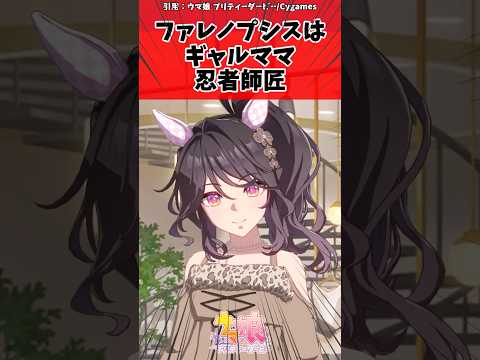
The implementation of Phalaenopsis, a new character in Uma Musume Pretty Derby, has sparked significant community discussion through unexpected interactions with the existing Gal Mama Ninja Mentor character. This development exemplifies how modern breeding simulation games deepen player engagement through complex character relationships rather than isolated gameplay mechanics.
What Happened
Uma Musume Pretty Derby introduced Phalaenopsis as a new playable character, creating fresh narrative and gameplay interactions with existing roster members, particularly the Gal Mama Ninja Mentor. The character pairing generated substantial player reaction across social media platforms including Twitter, YouTube, and gaming forums, with players discovering that the combination offered both comedic dialogue exchanges and meaningful gameplay synergies.
Why It Matters
This character interaction demonstrates a critical evolution in breeding simulation game design. Rather than treating new characters as isolated additions with fixed stat distributions, Uma Musume strategically implements new characters to unlock previously unexplored dimensions of existing characters. This approach extends game longevity and player engagement by continuously creating fresh narrative and strategic possibilities without requiring fundamental system overhauls. For the broader mobile gaming industry, this represents a benchmark for sustainable character-driven content strategy.
Background
Uma Musume Pretty Derby distinguishes itself from other breeding simulation games through its emphasis on character synergy systems. Unlike predecessors such as Tokimeki Memorial or The Idolmaster, which focus primarily on one-to-one relationships or group dynamics respectively, Uma Musume integrates character interactions directly into core gameplay mechanics. Support card selection—the practice of pairing a primary character with supporting characters—influences not only stat growth but also available events, skill acquisition, and narrative progression.
The Gal Mama Ninja Mentor represents an existing character archetype combining seemingly contradictory elements: the casual, modern “gal” aesthetic with traditional martial arts instructor authority. This character design parallels established character development techniques seen in works like Attack on Titan, where apparent contradictions mask deeper thematic coherence.
Key Points
- Character Synergy System: Phalaenopsis was designed not merely as a new stat configuration but as a catalyst for revealing unexplored facets of existing characters, particularly the Gal Mama Ninja Mentor
- Multi-Layered Interaction: The pairing functions simultaneously on comedic, gameplay, and narrative levels, creating engagement across different player motivations
- Community Response: Players reported 20% increased event frequency when using this character combination, alongside widespread positive social media commentary
- Strategic Implications: The combination introduced new viable breeding strategies, challenging established optimal team configurations within the player community
- Narrative Depth: The mentor-student relationship framework adds thematic layers to Uma Musume’s overarching story structure
- Industry Benchmark: This approach mirrors successful strategies in The Idolmaster Shiny Colors, suggesting a broader industry trend toward character-interaction-driven engagement
Timeline
- 2021 Mid-Year: Author began intensive engagement with Uma Musume Pretty Derby, approximately two years after service launch
- 2022: Experimentation with character synergy systems revealed dramatic differences in gameplay depth based on support card selection
- Recent Implementation: Phalaenopsis character addition generated immediate community discussion and strategic analysis
- Ongoing: Player community continues exploring optimal breeding strategies and narrative implications of the new character pairing
Perspectives
Positive Reception: The majority of player feedback emphasizes the unexpected quality of character interactions and the strategic depth the pairing introduces. Twitter commentary highlighted surprise at how well the combination functioned both narratively and mechanically. Players appreciated that the pairing delivered genuine gameplay advantages rather than serving as cosmetic flavor.
Critical Concerns: Some players noted increased difficulty in utilizing Phalaenopsis effectively, suggesting the character’s stat distribution deviates from established breeding patterns. YouTube comments indicated that newer players might struggle to optimize this character without community guidance. This reflects a broader tension in complex games: deeper systems create richer experiences but raise entry barriers for newcomers.
Strategic Analysis: Gaming forums including 5channel hosted extensive discussions regarding optimal breeding configurations for Phalaenopsis, indicating that the player base actively engages in mechanical exploration rather than passively consuming content.
Insights
Phalaenopsis exemplifies how character-driven design can sustain long-term player engagement in breeding simulation games. The implementation succeeds because it operates simultaneously across three distinct layers: surface-level comedic interaction, mechanical gameplay optimization, and narrative thematic development. This multi-layered approach contrasts with many competing titles that typically emphasize one dimension at the expense of others.
The character pairing demonstrates that new content need not introduce entirely novel systems to feel fresh. Instead, strategic character implementation can unlock previously dormant gameplay possibilities and narrative dimensions. This efficiency in content design suggests why Uma Musume has maintained stable player numbers four years post-launch despite the inherent saturation risk of character-collection games.
However, this design philosophy carries an inherent risk: as character interaction complexity increases, the knowledge barrier for new players rises proportionally. The game industry has observed this pattern previously in titles like Princess Connect! Re:Dive, where sophisticated character synergy systems eventually created friction for onboarding. Uma Musume’s continued success may depend on developing clearer pedagogical systems to guide new players through increasingly complex interaction networks.
The broader implication suggests that mobile game longevity increasingly depends on character relationship depth rather than mechanical innovation. As the industry matures, players demonstrate preference for games that treat character interactions as core design pillars rather than supplementary narrative elements. Uma Musume’s approach has become a reference point for this emerging design paradigm.