▶ Watch the original YouTube video
How That That Slime Reaction Video Reveals the Evolution of Modern Anime Fandom Culture
A viral “piston reaction” video featuring characters from That Time I Got Reincarnated as a Slime has sparked widespread discussion about how anime fans express their passion. The phenomenon reflects a fundamental shift in fan culture—from passive consumption to active creative participation—and offers insights into the psychology behind modern fan engagement.
What Happened
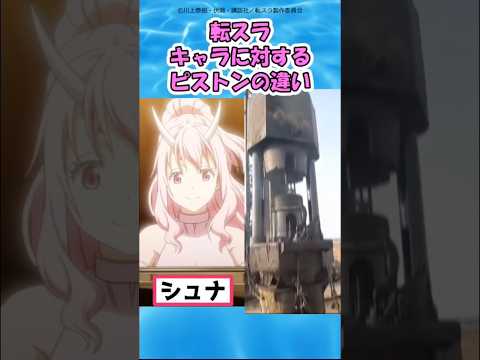
A unique reaction video featuring characters from the anime That Time I Got Reincarnated as a Slime (commonly known as “TenSlime”) has gained significant traction on YouTube Shorts and other short-form video platforms. The video showcases what fans call a “piston reaction”—a creative and humorous interpretation of how the show’s characters might respond to various scenarios. This type of content has become increasingly popular within anime fan communities, sparking broader conversations about how fans engage with their favorite series.
Why It Matters
This phenomenon represents more than just another viral video trend. It demonstrates a significant evolution in how anime fans express their passion and interact with beloved characters. Rather than passively consuming content, modern fans are actively creating, remixing, and reimagining their favorite shows. This shift reflects deeper changes in fan psychology, the democratization of content creation, and the emergence of fan-generated material as a legitimate and valued part of anime culture. Understanding this trend provides insight into how digital platforms have transformed fan engagement from a one-way relationship between creators and consumers into a collaborative cultural ecosystem.
Background
Fan culture has undergone dramatic transformation over the past 15 years. In the early 2010s, when series like K-On! dominated, fan engagement primarily consisted of purchasing merchandise, creating fan art, and discussing shows with other enthusiasts. By the mid-2010s, with the rise of social media and platforms like Twitter, fan expression became more public and performative. The emergence of VTubers in the early 2020s introduced a new format: reaction videos where creators respond to other content. The “piston reaction” represents the latest evolution of this trend—fans are now creating elaborate, creative interpretations of how characters would react to specific scenarios.
That Time I Got Reincarnated as a Slime, which premiered in 2018, has proven particularly conducive to this type of fan creativity. The series features a diverse cast of characters with distinct personalities—Rimuru’s calm pragmatism, Shuna’s elegance, Shion’s loyalty, and Milim’s carefree nature—that fans find easy to imagine responding to various situations. This characteristic has made the series a fertile ground for fan-created reaction content.
Key Points
- Reaction videos represent the latest evolution in fan-created content, moving beyond traditional fan art and fanfiction into dynamic video formats
- The psychology behind fan engagement involves three core elements: empathy with characters, creative expression, and a desire for interaction with beloved characters
- Digital platforms like YouTube, Twitter, and TikTok have democratized content creation, allowing fans to become creators and participate in shaping anime culture
- Fan-generated content has shifted from unofficial hobby activity to a recognized and sometimes officially supported part of anime culture
- The monetization of fan content through YouTube ad revenue and platforms like Patreon has transformed fan creation from purely volunteer work into a potential income source
- This phenomenon reflects broader cultural shifts toward participatory media consumption and fan-driven narrative expansion
Timeline
- 2009–2013: Early fan culture dominated by merchandise collection and traditional fan art; K-On! and Love Live! establish fan engagement norms
- 2015–2016: Social media integration transforms fan expression; fan activity becomes more public and performative with dedicated “fan appreciation” events
- 2018: That Time I Got Reincarnated as a Slime premieres; VTuber culture introduces reaction video format
- 2019–2020: Reaction video format gains mainstream popularity; fan-created content becomes increasingly sophisticated
- 2021–Present: Elaborate reaction videos and creative character interpretations emerge; fan content monetization becomes viable; “piston reaction” videos gain viral traction
Perspectives
The emergence of reaction videos like the “piston reaction” has generated diverse responses within the anime community. Many fans celebrate these videos as creative expressions of their passion, viewing them as a natural evolution of fan culture that allows for more interactive and playful engagement with beloved characters. These supporters see the content as evidence of how deeply anime has embedded itself in fan consciousness and appreciate the collaborative nature of modern fandom.
Other community members express concern that such reaction content might overshadow appreciation for the original works themselves. They worry that fans might become so focused on creating derivative content that they lose sight of the storytelling, world-building, and narrative depth that make series like TenSlime compelling in the first place.
From an industry perspective, anime production companies increasingly recognize fan-created content not as a threat but as a valuable extension of their intellectual property. Some studios now officially encourage fan creation, understanding that such engagement deepens audience investment and extends the commercial lifespan of their works.
Insights
The “piston reaction” phenomenon illuminates fundamental truths about contemporary fan culture. At its core, fan engagement has evolved from simple appreciation into a form of participatory storytelling. When fans create reaction videos, they are not merely expressing passive enjoyment—they are actively collaborating with the source material, imagining new scenarios and character interactions that expand the narrative universe.
This shift reflects three interconnected psychological drivers. First, fans seek empathy—they connect character experiences to their own lives and find meaning in those parallels. Second, they experience a powerful creative impulse—the desire to imagine “what if” scenarios and bring those imaginings to life. Third, they crave interaction—not merely with characters, but with other fans who share their passion. Reaction videos satisfy all three needs simultaneously.
The democratization of content creation tools and platforms has made this evolution possible. Where previous generations of fans were limited to fan art, fanfiction, and in-person community gatherings, today’s fans can produce video content, share it globally, and potentially earn income from their creative work. This represents a fundamental restructuring of the relationship between fans and the media industry.
Looking forward, the integration of fan-created content into official anime culture seems inevitable. As studios recognize the value of fan engagement and fan creators develop increasingly sophisticated production capabilities, the boundary between “official” and “fan-created” content will likely continue to blur. This evolution suggests that anime culture is becoming increasingly collaborative, with fans functioning not merely as consumers but as co-creators of the cultural narrative.
The success of reaction videos also indicates that modern audiences seek more dynamic, interactive forms of engagement with media. Static consumption—simply watching an episode—no longer fully satisfies fan communities. Instead, fans want to participate, create, discuss, and imagine alongside the source material. The “piston reaction” video, while seemingly simple or even absurd to outsiders, represents a sophisticated expression of this fundamental shift in how audiences relate to the media they love.