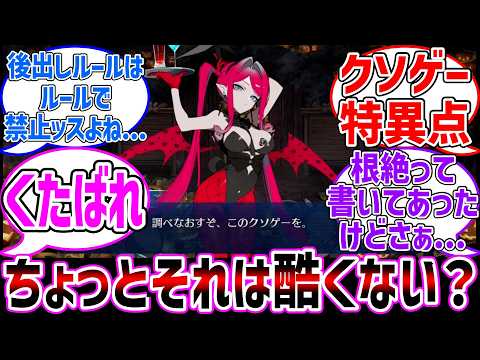
▶ Watch the original YouTube video
Fate/Grand Order’s latest Halloween event has sparked widespread criticism from players across multiple platforms, with complaints centering on excessive difficulty, poor drop rates, and a widening gap between new and veteran players. A veteran gamer with 15 years of experience and exposure to over 300 titles examines whether the criticism is justified and what it reveals about the broader challenges facing mature mobile games.
What Happened
Fate/Grand Order’s Halloween event has become the subject of intense criticism from the player community. Users report that the event’s difficulty is prohibitively high, drop rates for key rewards are unreasonably low, and new players struggle to progress through the event’s story content. The backlash has been visible across Twitter, YouTube, Reddit, and other gaming forums, with players describing the experience as “too much of a bad game” (クソゲー).
The criticism extends beyond simple difficulty complaints. Players are questioning the transparency of the event’s design philosophy, the balance between playtime investment and rewards, and the apparent disconnect between developer intentions and user expectations.
Why It Matters
This controversy reflects a systemic problem in the mobile gaming industry: the “difficulty inflation trap” that affects games in their mature phase. As Fate/Grand Order approaches its tenth anniversary, the game faces a fundamental design challenge—how to satisfy veteran players with increasingly difficult content while remaining accessible to new players.
The issue matters because it demonstrates how even critically acclaimed games with strong narratives and strategic depth can alienate their player base through poor design decisions. The feedback also highlights the importance of transparency and communication between developers and communities in live-service games.
Background
Fate/Grand Order launched in 2015 and quickly became one of the most successful mobile games globally, known for its compelling story-driven events and strategic turn-based combat. Unlike other mobile games that separate story from optional high-difficulty content, FGO integrates event stories directly into the main narrative, making event completion essential for players who want to experience the game’s full story.
Over the past nine years, the game has accumulated a massive gap between veteran players—who possess numerous powerful servants and deep game knowledge—and new players still in early progression. This disparity has become increasingly problematic as the game’s event difficulty has gradually escalated.
The criticism of the Halloween event should be understood in the context of broader industry trends. Games like Puzzle & Dragons experienced similar difficulty inflation around 2014, which coincided with declining new player acquisition. Granblue Fantasy, by contrast, has maintained better player retention by offering multiple difficulty tiers with differentiated rewards.
Key Points
- FGO’s Halloween event is criticized for excessive difficulty, poor drop rates, and unclear progression requirements that disproportionately affect new and free-to-play players
- The core issue is not difficulty itself, but the lack of transparency in design decisions and the absence of difficulty tiers that would allow players of different progression levels to participate meaningfully
- FGO’s story-first design philosophy prevents the implementation of multiple difficulty modes, creating a paradox where the game’s greatest strength (narrative) becomes a barrier to entry
- The broader pattern reflects “difficulty inflation”—a common problem in mature mobile games where developers continuously raise challenge levels to retain veteran players, inadvertently pushing away new players
- Player feedback across platforms demonstrates constructive criticism rather than simple complaints, with users requesting transparency, difficulty options, and new-player-friendly content
- Successful competitors like Granblue Fantasy have addressed similar challenges through multiple difficulty tiers, transparent communication, and continuous new-player content investment
The Difficulty Dilemma in Mobile Games
The fundamental problem facing FGO is not unique to the game. Mobile games operate on a business model that requires continuous player engagement to generate revenue. This creates an inherent tension: developers must constantly provide new challenges for veteran players to maintain their interest, yet increasingly difficult content inevitably alienates new players.
In Puzzle & Dragons around 2012, the introduction of “Mythical” and “Legendary” dungeons initially excited existing players. However, by 2014, these dungeons had become the norm, and new players found themselves unable to access event rewards. This coincided with the game’s peak in 2014 and subsequent decline in user numbers.
FGO faces a more acute version of this problem because its events are narrative experiences, not optional side content. When an event is difficult, new players cannot access the story. This is fundamentally different from games like Granblue Fantasy, where NORMAL difficulty provides meaningful progression and story access, while NIGHTMARE difficulty offers additional rewards for veteran players.
Design Transparency and Communication Gaps
A recurring theme in player feedback is the lack of transparency from FGO’s developer, Delightworks (DW). Unlike Granblue Fantasy or Monster Strike, which regularly publish explanations for balance changes and event difficulty decisions, FGO rarely provides such communication.
This absence of transparency fuels speculation and frustration. When players don’t understand why an event is difficult or why drop rates are low, they interpret the situation negatively. The same difficulty level, if explained and justified, might be accepted more readily.
Additionally, FGO’s quest difficulty ratings do not clearly indicate actual challenge levels. Two quests with identical difficulty labels can vary significantly in actual challenge due to enemy composition and mechanics. This lack of clarity makes it difficult for players to assess whether they are adequately prepared.
The New Player vs. Veteran Player Gap
After nine years, FGO’s veteran players possess extensive rosters of leveled servants and deep understanding of game mechanics. New players, by contrast, have limited options and knowledge. When event difficulty is calibrated for veterans, new players face an insurmountable wall.
This gap is exacerbated by FGO’s story-first design. A new player cannot skip the event’s narrative challenges to access easier farming stages. They must either overcome the difficulty or abandon the event entirely, missing both story and rewards.
Granblue Fantasy addressed this through explicit difficulty tiers. A new player can complete NORMAL difficulty, experience the story, and earn basic rewards. Veteran players can pursue NIGHTMARE difficulty for rare items. Both groups have meaningful participation.
Perspectives
Veteran Players: Many established players view the current difficulty as appropriate and necessary. They argue that without challenging content, the game becomes stale. Some suggest that new players should accept that catching up requires time and effort, and that not all content is immediately accessible.
New Players: New players report feeling locked out of content. They want to experience the story but find themselves unable to progress. Their feedback emphasizes that difficulty is not the issue—accessibility is. They request either easier difficulty options or clearer guidance on preparation.
Casual/Free-to-Play Players: This group expresses frustration with the time investment required to farm event rewards. Even if they can clear story content, the grind for specific drops is prohibitively long, making the event feel unrewarding.
Game Industry Observers: Analysts note that FGO’s situation mirrors the lifecycle challenges of mature mobile games. The question is whether FGO will follow the path of Puzzle & Dragons (declining engagement) or adapt like Granblue Fantasy (sustained engagement through inclusive design).
Practical Recommendations for Players
Adjust Expectations: Rather than aiming to collect all event rewards, prioritize story completion. Many event items are “nice to have” rather than essential. This approach reduces frustration and makes the experience more enjoyable.
Leverage Community Resources: Detailed strategy guides and servant recommendations are available on community wikis and social media. These resources can help players identify viable strategies for their current roster.
Consider Event Reruns: FGO regularly reruns past events. If the current event is too challenging, waiting for a future rerun is a valid option. This removes the pressure of time-limited participation.
Explore Related Media: The Fate series has extensive anime, manga, and visual novel content. Engaging with these materials provides context and deepens appreciation for event stories, making the experience more rewarding regardless of difficulty.
Broader Industry Implications
FGO’s Halloween event controversy is a case study in the challenges facing mature mobile games. The game has achieved critical and commercial success through strong narrative design and strategic gameplay. However, these strengths have created structural problems:
The story-first design prevents implementation of difficulty tiers, which are the most effective solution to the new-player problem. The lack of developer transparency amplifies player frustration. The absence of explicit new-player content investment suggests that FGO may be prioritizing veteran retention over growth.
User feedback across platforms is notably constructive. Players are not demanding easier content; they are requesting transparency, difficulty options, and acknowledgment of new-player challenges. This suggests that the community remains engaged and invested in the game’s success.
The question facing FGO’s developers is whether they will proactively address these issues or allow the game to follow the trajectory of Puzzle & Dragons, where difficulty inflation eventually led to declining engagement.
Conclusion: A Game Worth Saving
Is FGO’s Halloween event a “bad game”? The answer depends on perspective. For veteran players with fully developed rosters, it may be appropriately challenging. For new players, it is prohibitively difficult. For the game’s long-term health, the current approach is unsustainable.
FGO is not fundamentally a bad game. Its narrative quality, character design, and strategic depth are genuinely excellent. The problem is not the game itself, but its accessibility and the transparency of its design decisions.
The solution is not to reduce difficulty, but to implement the proven strategies that have worked for competitors: multiple difficulty tiers, transparent communication about design decisions, and sustained investment in new-player content. These changes would preserve the challenge that veteran players value while making the game accessible to new players.
FGO has the potential to become a model for how mature mobile games can successfully navigate the transition from growth phase to sustainability phase. Whether it achieves this depends on decisions made in the coming months. The community is watching, and their feedback—constructive and detailed—provides a clear roadmap for improvement.