▶ Watch the original YouTube video
Tezcatlipoca’s Hidden Struggles: How Fate/Grand Order Created the Perfect Gap Character
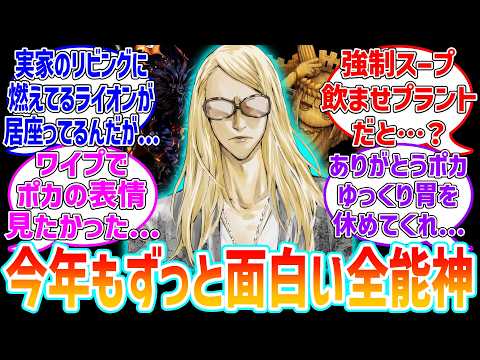
Fate/Grand Order’s Halloween event introduced Tezcatlipoca, a character who appears carefree and self-indulgent on the surface but harbors deep internal conflicts and responsibilities. The character’s complex portrayal has sparked diverse fan reactions, revealing sophisticated narrative techniques that elevate him to one of the series’ most compelling servants.
What Happened
During Fate/Grand Order’s 2024 Halloween event, the Aztec deity Tezcatlipoca was introduced as a servant character with a contradictory personality. While presented as a free-spirited, hedonistic figure who does as he pleases, careful analysis of his dialogue and actions reveals a character burdened by divine responsibility, constrained by his position, and struggling with the gap between his true desires and what his role demands of him. This layered characterization has generated substantial discussion within the fan community, with interpretations ranging from wholehearted appreciation to critical skepticism.
Why It Matters
Tezcatlipoca represents a sophisticated example of character writing in contemporary anime and gaming narratives. The character demonstrates how creators can use narrative techniques—staged information revelation, dialogue duality, and behavioral contradiction—to craft multidimensional personalities that reward close analysis. This approach aligns with Fate/Grand Order’s thematic focus on servant humanity and complexity, making Tezcatlipoca’s portrayal significant for understanding modern character design philosophy in interactive media.
Background
Fate/Grand Order has consistently explored the concept of servants as complex beings with internal conflicts beyond their mythological origins. Tezcatlipoca, based on the Aztec deity of the same name—also known as “the god with the crow’s foot”—embodies duality in Aztec mythology, governing both destruction and creation. The Halloween event leverages this mythological foundation to present a character whose carefree behavior masks deeper existential struggles rooted in his divine nature and the constraints of his position within the Fate universe.
Key Points
- Surface vs. Reality: Tezcatlipoca appears self-indulgent and carefree but demonstrates hidden strategic thinking, consideration for others, and awareness of his constraints
- Mythological Integration: The character’s portrayal effectively incorporates Aztec mythology, where Tezcatlipoca represents duality and contradiction, into his narrative function
- Narrative Techniques: The event employs staged information disclosure, dialogue with double meanings, and behavioral contradictions to reveal character depth progressively
- Community Reception: Fan responses span from enthusiastic appreciation of his complexity to critical questioning of whether his struggles are genuinely depicted or over-interpreted
- Character Archetype: Tezcatlipoca exemplifies the “gap character” archetype—one whose hidden depths contrast sharply with surface presentation—executed at a high technical level
- Thematic Relevance: The character reinforces Fate/Grand Order’s core theme of exploring the humanity and internal conflicts of legendary figures
Narrative Structure and Execution
The event employs three primary narrative techniques to establish Tezcatlipoca’s complexity. First, information is revealed incrementally: early scenes present him as a carefree deity, while later developments expose the calculations and constraints underlying his actions. Second, his dialogue operates on multiple levels—surface-level humor masks deeper, more serious meanings, a technique enhanced by voice acting that layers subtle melancholy beneath apparent cheerfulness. Third, contradictions between his stated desires for freedom and his actual behavior—which demonstrates consideration for others and strategic awareness—create the central tension defining his character.
These techniques parallel successful character writing in other acclaimed series. The approach resembles how “Attack on Titan” uses staged information revelation to maintain narrative intrigue, and how “Neon Genesis Evangelion” employs multivalent characterization that permits multiple valid interpretations.
Comparative Analysis
Tezcatlipoca shares structural similarities with other complex Fate characters. Gilgamesh from “Fate/stay night” presents arrogance masking isolation and responsibility; Jeanne d’Arc Alter from “Fate/Apocrypha” displays destructive behavior rooted in constraint and internal conflict. However, Tezcatlipoca extends beyond simple duality into genuine multilayering: his mythological background, his position within the Fate universe, his role in the Halloween event, and his internal psychological struggles all intersect and inform one another, creating greater complexity than binary characterization.
Fan Community Perspectives
Community response has been notably diverse. Positive reactions emphasize the character’s compelling contradictions and unexpected depth, with thousands of supportive fan posts and artwork circulating on social media platforms. Analytical responses engage with mythological sources and narrative structure, with detailed discussions examining how Tezcatlipoca’s behavior reflects Aztec religious concepts. Critical perspectives question whether his portrayed struggles constitute genuine characterization or represent over-interpretation of ambiguous writing, suggesting that surface-level readings may be equally valid.
This interpretive plurality itself indicates successful character design: the ability to sustain multiple valid readings is a hallmark of sophisticated narrative construction, similar to how “Evangelion’s” Shinji Ikari permits competing interpretations while remaining coherent.
Specific Evidence of Internal Struggle
Several concrete scenes support the interpretation of Tezcatlipoca as a character burdened by hidden struggles. Moments depicting failed relationship-building attempts reveal someone seeking connection despite appearing indifferent. Scenes showing tension between his divine role and personal desires illustrate internal conflict. Instances of demonstrated responsibility—strategic thinking and consideration for others despite his carefree presentation—indicate complexity beyond simple irresponsibility. These elements collectively suggest intentional characterization rather than accidental ambiguity.
Narrative Techniques and Production Intent
Analysis of the event’s writing reveals deliberate deployment of advanced narrative techniques. The staged information approach creates the cognitive pleasure of mystery-solving for viewers. Dialogue duality—where statements function simultaneously as jokes and serious commentary—engages audiences on multiple levels. Behavioral contradiction—desiring freedom while demonstrating responsibility—efficiently communicates psychological complexity. These techniques suggest the production team intentionally positioned Tezcatlipoca not merely as a servant but as a psychologically realized entity, advancing Fate/Grand Order’s thematic exploration of servant humanity.
Future Narrative Possibilities
Based on Fate/Grand Order’s established narrative patterns, characters introduced with this level of complexity typically receive deeper exploration in subsequent content. Tezcatlipoca’s internal conflicts may be further developed in main story chapters or side episodes. His relationships with other servants could deepen and become more psychologically intricate. The production team may expand utilization of Aztec mythological source material, as the original mythology presents Tezcatlipoca as exceptionally multifaceted, offering substantial narrative potential.
Critical Evaluation Framework
Assessing Tezcatlipoca against five primary character evaluation criteria yields high marks across all dimensions. Consistency: his actions and dialogue align with underlying psychological motivations. Complexity: he demonstrates multiple psychological dimensions beyond simple characterization. Growth potential: the narrative establishes room for substantial character development. Influence: he meaningfully impacts other characters and story progression. Originality: he possesses distinctive qualities differentiating him from comparable characters in other works.
One consideration merits attention: whether Tezcatlipoca’s complexity will resonate with casual audiences or primarily appeal to analytically-minded fans. Complex characterization often requires sustained attention and interpretive engagement, potentially limiting accessibility. The production team’s success in communicating his depth to broader audiences will significantly influence his long-term reception.
Broader Implications
Tezcatlipoca’s portrayal demonstrates Fate/Grand Order’s commitment to sophisticated character writing and thematic depth. The event exemplifies how contemporary narrative media can employ advanced techniques—layered dialogue, staged revelation, behavioral contradiction—to create characters that reward close analysis while remaining accessible to casual engagement. The character’s reception, encompassing both enthusiastic appreciation and critical questioning, reflects the inherent strength of multivalent characterization: the ability to sustain multiple interpretations indicates successful execution of complex narrative design.
The character reinforces the series’ core assertion that legendary and mythological figures, when reimagined as servants, possess psychological complexity equal to original creations. This thematic commitment, realized through careful narrative technique and character writing, positions Fate/Grand Order within a broader tradition of sophisticated character-driven storytelling in interactive media.