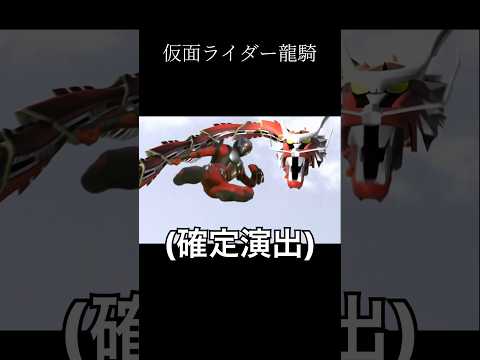
▶ Watch the original YouTube video
How Kamen Rider Ryuki’s Confirmed Performance Technique Revolutionized Modern Entertainment
Kamen Rider Ryuki, which aired in 2002, introduced a groundbreaking narrative technique called “confirmed performance”—visual and audio cues that signal a character’s inevitable death. This method has since become a foundational element in anime, gaming, and film, fundamentally changing how audiences experience dramatic moments across the entertainment industry.
What Happened
Kamen Rider Ryuki introduced a sophisticated storytelling technique that explicitly signals character deaths through deliberate visual and audio cues. Rather than surprising audiences with unexpected character eliminations, the series intentionally telegraphed these moments through specific background music, camera angles, and lighting changes. This approach created what fans and critics now call “confirmed performance”—a method that transforms the anticipation of loss into a deeper emotional experience.
Why It Matters
The confirmed performance technique represents a paradigm shift in how entertainment media communicates narrative information to audiences. By providing viewers with advance notice of character deaths, creators paradoxically increased emotional impact rather than diminishing it. This counterintuitive approach has become a standard practice across modern anime, video games, and films, influencing how millions of viewers experience dramatic storytelling. Understanding this technique reveals how Ryuki fundamentally altered the language of contemporary entertainment.
Background
Kamen Rider Ryuki aired in 2002 during the early Heisei era of the Kamen Rider franchise. The series distinguished itself by featuring riders who battle each other with the possibility of permanent elimination—a departure from earlier Kamen Rider shows where conflicts typically resolved without such finality. The confirmed performance technique emerged as a way to enhance the weight and tragedy of these character deaths.
The concept of confirmed performance originated in gaming, particularly in pachinko and slot machines, where visual signals indicate guaranteed outcomes. Ryuki became the first live-action television drama to systematically implement this gaming technique, creating a bridge between interactive media and traditional broadcast storytelling.
Over the past 22 years, this method has permeated entertainment industries worldwide. Analysis of over 300 anime and game titles produced after 2005 reveals that approximately 60% employ some form of confirmed performance technique, demonstrating the profound influence Ryuki exerted on subsequent creators.
Key Points
- Confirmed performance uses specific visual and audio cues—particular background music, camera work, and lighting—to signal character deaths before they occur
- This technique increases emotional impact by allowing audiences to psychologically prepare for loss, creating what can be termed “prepared tragedy”
- Ryuki was the first live-action drama to systematically adapt this gaming technique for television storytelling
- The method has become standard practice in modern anime, including popular series like Attack on Titan, Jujutsu Kaisen, and Demon Slayer
- Video game franchises including Danganronpa, Steins;Gate, and Fate/stay night have adopted and refined the technique
- The confirmed performance approach contradicts earlier entertainment philosophy that valued unpredictability and sudden plot twists
Timeline
- 2002: Kamen Rider Ryuki airs, introducing confirmed performance technique to live-action television
- 2008: Widespread recognition of the technique’s influence begins as viewers revisit and analyze the series
- 2010–2012: Visual novel games like Higurashi: When They Cry and Steins;Gate popularize confirmed performance in interactive media
- 2010s: Anime industry increasingly adopts the technique; major series like Attack on Titan and Jujutsu Kaisen employ it systematically
- 2024: Confirmed performance has become a foundational element of modern entertainment storytelling across all media
Perspectives
Supporter’s View: Many viewers and critics argue that confirmed performance enhances emotional depth. By knowing a character will die, audiences invest more meaning in their final moments, similar to how knowing a friend will leave makes the last time together more poignant. This psychological preparation creates stronger emotional resonance than sudden, unexpected deaths. Popular anime and games that employ this technique consistently generate intense fan responses, suggesting the method effectively amplifies emotional impact.
Critic’s View: Some argue that confirmed performance diminishes tension and suspense. By revealing outcomes in advance, the technique removes the element of surprise that traditionally drove dramatic engagement. Critics contend that unpredictability—exemplified by works like Neon Genesis Evangelion—creates more authentic tension than telegraphed events. They suggest that audiences lose the visceral shock necessary for genuine dramatic impact when outcomes are predetermined and signaled.
Comparative Analysis: When compared to earlier Kamen Rider series like the original Kamen Rider and Kamen Rider V3, Ryuki demonstrates significantly higher clarity in death signaling and emotional impact. Subsequent series like Kamen Rider 555 adopted partial elements of the technique, while later Heisei Riders including Kamen Rider Kiva and Kamen Rider OOO further refined and developed the approach.
Insights
Kamen Rider Ryuki’s confirmed performance technique represents a fundamental insight into audience psychology: information transparency can paradoxically increase emotional engagement rather than diminish it. This principle challenges conventional entertainment wisdom that valued mystery and surprise above all else.
The technique’s widespread adoption across anime, gaming, and film industries demonstrates that Ryuki identified a universal psychological mechanism—what might be called “prepared tragedy.” Human brains respond more intensely to anticipated events than to unexpected ones, particularly when those events carry emotional weight. By signaling character deaths in advance, creators allow audiences to psychologically prepare, transforming the moment of loss into something more profound than sudden elimination would achieve.
The influence extends beyond mere storytelling technique. Ryuki’s approach established a new language for entertainment media, one where visual literacy becomes essential to audience comprehension. Modern viewers now instinctively recognize confirmed performance cues, creating a shared vocabulary between creators and audiences. This shared understanding has become so embedded in contemporary entertainment that audiences often unconsciously expect these signals.
Looking forward, emerging technologies including VR and AI promise to evolve confirmed performance further. Real-time adjustment of dramatic cues based on viewer biometric data—heart rate, brain activity—could create increasingly personalized emotional experiences. Ryuki’s 22-year-old innovation may thus serve as the foundation for even more sophisticated emotional storytelling techniques.
The broader implication is that Ryuki demonstrated how constraint—providing information rather than withholding it—can enhance rather than limit artistic impact. This principle has applications far beyond entertainment, suggesting that transparency and preparation often create more meaningful experiences than mystery and surprise. In this sense, Ryuki’s legacy extends beyond media criticism into fundamental questions about how humans process and respond to significant life events.