▶ Watch the original YouTube video
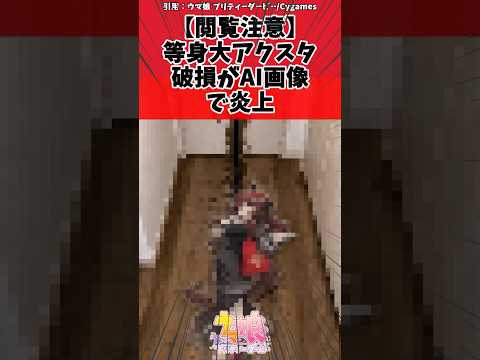
A life-size acrylic stand featuring a character from the game Uma Musume was damaged in an incident that triggered an unusual response: fans retaliated using AI-generated images. The event has exposed deep divisions within fan communities and raised questions about how digital-age fandom culture is evolving.
What Happened
A life-size acrylic stand (acrylic figure) of an Uma Musume character was damaged, prompting an unexpected response from fans. Rather than relying on traditional methods of protest such as social media complaints or formal complaints, some fans retaliated by creating and sharing AI-generated images. This marked a significant shift in how fan communities respond to perceived slights against their favorite characters and merchandise.
Why It Matters
This incident represents a watershed moment in fan culture. It demonstrates how emerging technologies like AI image generation are being weaponized within online communities, and it reveals fractures within fandoms that have been building for years. The event also highlights the tension between traditional forms of fan engagement (physical merchandise) and newer digital expressions of fandom, raising broader questions about how communities will navigate conflicts in an increasingly digital world.
Background
Acrylic stands have evolved significantly over the past decade. What began as small desk-sized collectibles have grown into life-size installations that require substantial physical space. This escalation mirrors a broader trend in fan culture: the increasing scale, cost, and visibility of fan merchandise. Uma Musume, a popular mobile game and anime franchise, has cultivated a particularly engaged fanbase known for substantial merchandise investments. The life-size acrylic stand represents the pinnacle of this trend—a physical manifestation of fan devotion that is both impressive and fragile.
The incident must also be understood within the context of fan culture’s evolution over the past 15 years. Fan engagement has shifted from private, localized activities to highly visible, social-media-driven public expressions. Simultaneously, the tools available to fans have expanded dramatically, from traditional creative outlets to AI-powered content generation.
Key Points
- Physical Damage: A life-size acrylic stand featuring an Uma Musume character was damaged, triggering strong emotional responses from fans who view such merchandise as sacred representations of their favorite characters.
- AI Retaliation: Rather than traditional protest methods, some fans responded by creating and sharing AI-generated images, marking a new form of fan community conflict.
- Community Division: The incident has exposed significant disagreements within the Uma Musume fanbase about appropriate fan behavior and the role of technology in fandom.
- Escalating Fan Culture: Life-size merchandise represents the latest escalation in fan engagement, with larger, more expensive, and more visible items becoming standard.
- Digital vs. Physical Fandom: The conflict highlights a growing divide between traditional physical fan engagement and newer digital expressions of fandom.
- New Conflict Tools: AI image generation has emerged as a novel tool for fan communities to express grievances, raising questions about its role in future conflicts.
Timeline
- 2012 onwards: Acrylic stands emerge as mainstream fan merchandise at anime events.
- 2015–2018: Fan merchandise grows larger and more elaborate; franchises like Love Live! and The Idolmaster drive demand for bigger, more prominent collectibles.
- 2019: Kemono Friends incident demonstrates how fan merchandise can become targets of destruction and community conflict.
- 2023: AI image generation becomes a mainstream tool; multiple controversies emerge around AI-generated content in fan spaces.
- 2024: Uma Musume life-size acrylic stand is damaged; fans respond with AI-generated images, marking the first major instance of AI-powered fan retaliation.
Perspectives
Fan Community Response: Initial reactions on social media were predominantly emotional and supportive of the damaged merchandise’s owners. Hashtags like #UmaMusumeGoodsDamage trended, with fans expressing outrage and viewing the damage as a desecration of their beloved character. However, as the story developed, more nuanced perspectives emerged. Some community members questioned whether life-size merchandise itself represents an unhealthy escalation of fan culture, arguing that the increasing scale and cost of collectibles creates economic barriers and social friction within families and communities.
AI Image Generation Debate: The use of AI-generated images as retaliation sparked its own controversy. Initially, some fans viewed it as justified pushback against those who damaged the merchandise. Over time, however, critical voices emerged questioning whether AI image generation—itself a contentious technology in creative communities—was an appropriate or ethical response. This debate reflects broader societal concerns about AI’s role in creative expression and conflict.
Industry Perspective: The incident raises questions for merchandise manufacturers and franchise holders about the sustainability of increasingly elaborate fan merchandise. It also highlights the challenge of managing fan communities that have become more fragmented and equipped with powerful digital tools.
Insights
This incident reveals that fan culture is undergoing a fundamental transformation. For the past 15 years, fan engagement has primarily centered on physical merchandise and in-person events, supplemented by social media discussion. However, the Uma Musume incident demonstrates that fan communities are now equipped with—and willing to use—advanced digital tools to express grievances and assert their values.
The divide between “physical” and “digital” fan engagement is becoming increasingly pronounced. Traditional fans who invest heavily in merchandise are clashing with newer fans who express devotion through digital means. This is not merely a disagreement about preferences; it represents a fundamental shift in how communities organize themselves and resolve conflicts.
The incident also suggests that fan culture may be entering a more volatile phase. As merchandise becomes larger, more expensive, and more visible, the stakes of fan engagement increase. Simultaneously, the tools available for conflict—from social media to AI generation—have become more powerful and harder to control. The question facing fan communities is whether they can establish norms and guidelines that allow for passionate engagement without escalating into destructive conflicts.
Looking forward, the industry and fan communities may need to establish clearer boundaries around merchandise design, fan behavior, and the appropriate use of emerging technologies. The Uma Musume incident serves as a cautionary tale about what happens when these boundaries remain undefined in an increasingly digital and technologically sophisticated fan landscape.