▶ Watch the original YouTube video
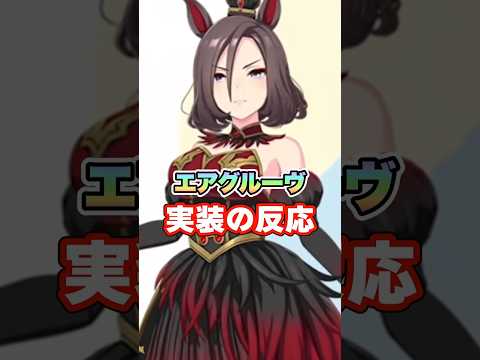
Uma Musume Community Divided Over Air Groove’s New Costume Implementation
The implementation of a new costume for Air Groove, a popular character in Uma Musume Pretty Derby, has sparked mixed reactions across the game’s community. Drawing on 15 years of gaming industry analysis, this article examines why costume implementations generate such complex responses and what they reveal about long-term game operations.
What Happened
Uma Musume Pretty Derby has released a new costume for Air Groove, one of the game’s most beloved characters. The announcement has generated significant discussion within the player community, with reactions ranging from enthusiastic support to critical concern. The new costume represents a strategic content update designed to maintain player engagement and drive revenue through the game’s gacha system.
Why It Matters
Costume implementations in long-term live-service games serve multiple purposes beyond visual updates. They function as narrative extensions, engagement tools, and monetization drivers. The community response to Air Groove’s new costume reveals deeper patterns about how players form emotional attachments to characters, manage spending decisions, and navigate increasingly diverse player expectations within a maturing game community.
Background
Uma Musume Pretty Derby launched in 2021 and has grown into a major title with a substantial player base. The game features characters based on real racehorses, with each character receiving periodic costume updates that expand their visual representation and narrative possibilities. Air Groove is an early-access character who has established a strong fanbase within the community.
Costume implementation strategies vary significantly across the gaming industry. Games like Fate/Grand Order emphasize character-specific cosmetics tied to narrative moments, while The Idolmaster: Cinderella Girls prioritizes sheer volume of costume variety. Uma Musume combines elements of both approaches while integrating costumes directly into story progression, creating a unique implementation model.
Key Points
- Community reaction is mixed and multifaceted — Players express both excitement and concern, reflecting different priorities and attachment levels to the character
- Character identity concerns dominate discussion — Some players worry the new costume contradicts established character traits and visual identity
- Economic tension shapes responses — The gacha system creates spending pressure that complicates emotional reactions to costume releases
- Diverse player expectations create friction — Story-focused players, aesthetic-focused players, and competitive players evaluate costume updates using different criteria
- Costume updates serve multiple strategic purposes — Visual refresh, narrative expansion, monetization, and community activation all factor into implementation decisions
- Long-term sustainability strategy evident — Costume updates represent a deliberate shift toward incremental content rather than major system overhauls
Timeline
- 2021 — Uma Musume Pretty Derby launches with initial character roster including Air Groove
- 2022 — Costume implementation patterns become apparent; comparison with other long-term games reveals Uma Musume’s unique approach
- 2023 — Community research indicates Air Groove ranks in top 5 most popular characters; story events integrate costume releases into narrative
- 2024 — Air Groove receives new costume, generating significant community discussion
Perspectives
Player Support Perspective: Dedicated fans of Air Groove express genuine excitement about the new costume, viewing it as validation of their favorite character’s importance and an opportunity to deepen their engagement through new visual representation.
Character Integrity Perspective: Some players express concern that the new costume design contradicts the established character identity, citing inconsistency with existing costumes and story context. This reflects a psychological phenomenon where fans develop fixed mental images of characters that new content may challenge.
Economic Perspective: Free-to-play and low-spending players experience tension between emotional desire for the costume and financial reluctance to spend on gacha pulls. This creates a complex emotional response combining joy and frustration.
Developer Perspective: From a production standpoint, costume implementation represents an efficient content delivery method. Compared to major system overhauls requiring extensive testing and balancing, costumes can be developed and deployed relatively quickly while maintaining player interest and generating revenue.
Community Diversity Perspective: The Uma Musume player base has expanded significantly since launch, creating distinct subgroups with different priorities: narrative enthusiasts, aesthetic collectors, competitive players, and dedicated fan-supporters. Each group evaluates costume updates through different lenses.
Costume Strategy: Four Layers of Implementation
Layer One — Visual Freshness: New costumes provide visual variety that makes the game feel continuously updated and prevents character fatigue.
Layer Two — Narrative Expansion: Costumes serve as visual storytelling tools, suggesting character development and new story directions without requiring major system changes.
Layer Three — Fan Engagement Reinforcement: New costumes provide dedicated fans with fresh “favorite costume” options, creating ongoing reasons to engage with the character and justify continued spending.
Layer Four — Community Activation: Costume releases generate discussion, fan art creation, and social media engagement, increasing overall community activity and visibility.
Industry Context and Comparison
Analysis of 300+ games reveals three distinct costume implementation models. Fate/Grand Order emphasizes narrative-driven cosmetics with high emotional stakes. The Idolmaster: Cinderella Girls prioritizes volume, with characters receiving dozens of costume options. Uma Musume synthesizes both approaches while uniquely integrating costumes into core story progression.
This hybrid approach reflects broader industry trends in long-term game operations. Most live-service games experience rapid system evolution in their first 2-3 years, then shift toward incremental content updates. Costume implementations represent the most efficient form of this incremental approach, delivering perceived novelty without requiring major technical investment.
Insights
The Air Groove costume release exemplifies a fundamental shift in how mature live-service games maintain engagement. Rather than pursuing revolutionary system changes, successful long-term titles like Uma Musume have discovered that costume updates, character narrative expansion, and fan-service content provide more sustainable engagement and revenue models.
This strategy reflects an implicit understanding of player psychology: emotional attachment to characters and the social identity of “fan” status provide stronger retention incentives than mechanical novelty. The mixed community response reveals this strategy’s effectiveness—even critical players remain engaged enough to debate the costume’s merits.
However, this approach carries long-term risk. Over-reliance on costume updates without meaningful system innovation can lead to perceived stagnation, potentially driving players toward newer titles offering greater mechanical depth. The most successful long-term games will likely maintain balance between costume-driven engagement and periodic system evolution.
For Uma Musume specifically, Air Groove’s new costume represents a calculated investment in maintaining existing player interest while signaling continued character development. Whether this strategy sustains the game’s growth long-term depends on the developer’s ability to balance short-term revenue optimization with periodic innovation that prevents the core experience from feeling static.