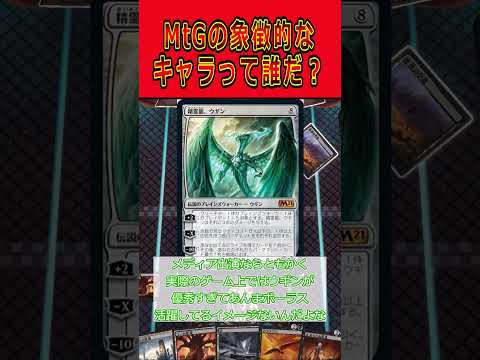
▶ Watch the original YouTube video
Does Magic: The Gathering Have an Iconic Monster? A 15-Year TCG Analysis
After 15 years studying trading card games, one fundamental question emerges: why does Magic: The Gathering lack a single iconic monster like Yu-Gi-Oh!’s Blue-Eyes White Dragon or Pokémon’s Pikachu? This analysis explores how MTG’s design philosophy differs fundamentally from other major TCGs, and whether the game is now shifting strategy.
What Happened
A recent video discussion raised a compelling question about Magic: The Gathering’s identity within the TCG landscape. Unlike Yu-Gi-Oh!, which centers on protagonist Yugi Muto and his Black Magician, or Pokémon, which features Pikachu as its universal symbol, MTG appears to lack a single definitive iconic creature. This observation prompted deeper analysis into why one of gaming’s most influential card games diverges so dramatically from its competitors in character and symbol strategy.
Why It Matters
Understanding MTG’s approach to iconic characters reveals fundamental differences in game design philosophy. While Yu-Gi-Oh! and Pokémon built their franchises on character-driven narratives that extended into anime, manga, and merchandise, MTG prioritized a different value: player agency and creative freedom. This distinction has profound implications for how each game markets itself, builds community, and competes in an increasingly character-focused entertainment landscape. As MTG evolves, this question becomes increasingly relevant to its strategic direction.
Background
MTG launched in 1993 as a pure game design by Richard Garfield, without the narrative framework that defined Yu-Gi-Oh! or Pokémon. While early cards like Serra Angel represented powerful white creatures, they lacked the protagonist-driven storytelling that made Blue-Eyes White Dragon or Pikachu globally recognizable symbols. Over 30 years, MTG developed rich lore featuring characters like Nicol Bolas, a dragon planeswalker who appeared in novels and multiple card sets. However, unlike iconic monsters in competing games, Bolas functioned as a story antagonist rather than a card players aspired to use. Recent MTG strategy has introduced the Planeswalker card type, featuring characters like Teferi and Tasha, suggesting a potential shift toward character-centric design.
Key Points
- MTG lacks a single iconic monster comparable to Yu-Gi-Oh!’s Black Magician or Pokémon’s Pikachu, reflecting its game-first rather than narrative-first design approach
- Nicol Bolas, despite 23 years of story prominence, remained a narrative antagonist rather than an aspirational card for players to use
- Serra Angel represented the closest early equivalent to an iconic creature, but lacked the character-driven narrative that defines other TCGs
- MTG’s true symbol may be Black Lotus—an artifact, not a creature—representing the game’s emphasis on resources and player agency over character identity
- Recent MTG strategy increasingly emphasizes Planeswalker characters across multiple sets, suggesting a deliberate shift toward character-centric marketing
- The fundamental difference lies in design philosophy: MTG prioritizes player-created narratives, while competitors provide pre-built protagonist stories
Timeline
- 1993: Magic: The Gathering launches with Serra Angel as an iconic early creature
- 1993–2000: MTG develops as a pure game system without protagonist-driven narrative
- 2000–2007: Nicol Bolas emerges as a major story character in MTG novels and lore
- 2007–2009: Planeswalker card type introduced, beginning to formalize character representation in gameplay
- 2015: Analysis of MTG’s character strategy differences becomes more prominent in community discussion
- 2019 onwards: MTG significantly increases Planeswalker prominence and character-focused narrative across sets
- 2021+: Recurring Planeswalker characters like Teferi and Tasha appear across multiple sets with evolving storylines
Perspectives
The Design Philosophy View: MTG’s lack of an iconic monster reflects intentional design by Richard Garfield, who prioritized player creativity and agency. Rather than providing a pre-built protagonist story, MTG encourages each player to create their own narrative through deck construction. From this perspective, the absence of an iconic creature is a strength, not a weakness.
The Character-Driven View: Yu-Gi-Oh! and Pokémon demonstrate the commercial power of iconic characters. Their ability to transcend the game into anime, merchandise, and popular culture suggests that MTG’s character-light approach may be strategically disadvantageous. This perspective notes that MTG’s recent emphasis on Planeswalker characters indicates recognition of this market reality.
The Hybrid Evolution View: MTG may be deliberately adopting a hybrid approach, maintaining Black Lotus as its symbolic artifact while developing Planeswalker characters like Teferi and Tasha as iconic personalities. This strategy attempts to preserve MTG’s design philosophy while competing in a character-driven market.
The Community Perspective: Players debate whether Nicol Bolas qualifies as iconic despite his narrative prominence, with some arguing that his role as antagonist rather than hero fundamentally differs from true iconic monsters. Others contend that the Planeswalker system has successfully created character investment comparable to other TCGs.
Insights
The question of MTG’s iconic monster reveals a fundamental tension in modern TCG design: the conflict between player agency and character-driven marketing. MTG’s 30-year success demonstrates that games need not rely on iconic mascots to achieve depth and longevity. However, the commercial dominance of character-centric franchises like Pokémon and Yu-Gi-Oh! suggests that iconic characters provide significant competitive advantages in cross-media expansion and casual market penetration.
MTG’s recent strategic shift toward Planeswalker characters indicates the company recognizes this reality without abandoning its core design philosophy. Rather than introducing a single iconic creature, MTG is developing a roster of character-driven Planeswalkers, allowing player choice while providing narrative anchors for marketing and storytelling.
The deeper insight concerns what defines a game’s identity. MTG’s symbol—Black Lotus—is not a creature but a resource, reflecting the game’s emphasis on strategic decision-making and player creativity over character identification. This distinction explains why MTG players often describe their entire deck as the protagonist, rather than a single card.
Looking forward, MTG’s evolution suggests that the future of TCGs may not require choosing between player agency and character identity, but rather integrating both. Whether MTG successfully executes this balance while preserving what makes it unique remains the critical question for its next decade of development.