▶ Watch the original YouTube video
Is Mashutan Male? Analyzing the Precure Fairy’s Gender and Character Evolution
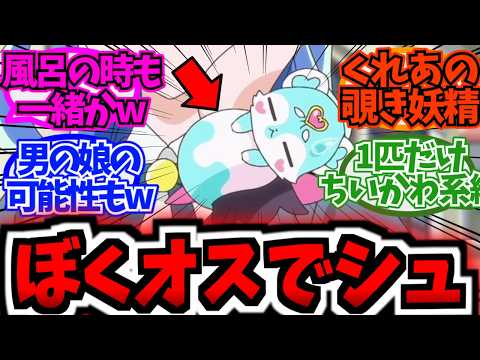
Mashutan, the fairy character from “Detective Precure,” has sparked widespread debate among fans about gender identity and character design. A video compilation of viewer reactions reveals how modern anime is redefining traditional gender expressions and the role of fairy companions in storytelling.
What Happened
Mashutan, a fairy character from the recent Precure series “Detective Precure,” has become the subject of intense fan discussion regarding its gender. The character has an official line stating “I’m male, but…” (“osu dakedo…”), yet displays visual and behavioral traits that complicate this designation. A video compilation of fan reactions to this ambiguity has circulated online, prompting broader conversations about character design philosophy in contemporary anime.
Why It Matters
Mashutan’s gender ambiguity represents a significant shift in how anime creators approach character design and gender representation. Rather than adhering to traditional binary gender expressions—where male characters appear masculine and female characters appear feminine—Mashutan deliberately separates biological sex from social gender presentation. This reflects evolving audience expectations and broader cultural conversations about gender fluidity and identity, particularly among younger viewers who prioritize character personality over categorical labels.
Background
The Precure franchise, which began in 2004, has featured fairy companions as supporting characters throughout its 20-year history. Early fairy characters like Mepple and Mipple from “Pretty Cure” served primarily functional roles: enabling transformations, providing enemy intelligence, and offering combat support. Over 15 years of series evolution, fairy characters have gradually transitioned from passive support roles to more emotionally complex partners with distinct personalities. Mashutan exemplifies this evolution, combining cuteness with sharp wit and a deeply emotional bond with the protagonist Ruka, who suffers from amnesia.
Key Points
- Mashutan’s official designation as male contradicts its feminine visual design (large eyes, round face, cute proportions), creating intentional ambiguity
- Fan reactions reveal three interpretations: “male,” “female,” and “neither,” with most prioritizing personality over gender category
- Unlike previous Precure fairies, Mashutan functions as a comedic foil with sharp, sarcastic dialogue rather than purely supportive behavior
- The character’s relationship with protagonist Ruka emphasizes emotional partnership over functional support, reflecting modern character design trends
- Mashutan’s “knowledge fairy” designation contrasts with its actual role, suggesting intentional character complexity rather than design oversight
- Viewer comments emphasize that Mashutan’s appeal transcends gender, focusing instead on its personality and relationship dynamics
Character Comparison: Mashutan’s Unique Position
Examining Mashutan alongside other Precure fairies reveals its distinctive approach to character design:
| Fairy Character | Series | Gender Designation | Visual Traits | Personality Traits |
|---|---|---|---|---|
| Mepple | Pretty Cure | Clearly male | Round, cute | Gentle, supportive |
| Mipple | Pretty Cure | Clearly female | Round, cute | Gentle, supportive |
| Lucky | Smile Precure! | Clearly male | Cat-like, cute | Cheerful, comedic |
| Mashutan | Detective Precure | Ambiguous (male designation with feminine presentation) | Feminine cuteness | Sharp-tongued, critical |
Perspectives
Fan Interpretation: Viewer reactions demonstrate that modern anime audiences separate character appeal from gender categories. Comments like “Regardless of gender, Shuta is cute” and “The sarcasm combined with cuteness is addictive” show fans engaging with Mashutan’s personality rather than debating its biological sex.
Character Design Intent: The deliberate separation of Mashutan’s biological designation from its visual and behavioral presentation suggests intentional creative choice. This mirrors broader anime industry trends since 2020, where gender expression has become increasingly complex and multifaceted rather than binary.
Relationship Dynamics: Mashutan’s primary significance lies in its bond with Ruka. One viewer’s observation—”essentially providing care for someone with serious memory loss, consistently believing in and supporting them”—reframes the fairy-human relationship from functional support to deep emotional partnership. This represents a fundamental shift from earlier Precure series.
The Evolution of Fairy Character Roles
Early Precure fairies (2004-2010) performed three primary functions: enabling transformations, providing tactical information, and supporting combat. Mashutan’s role differs significantly. Rather than primarily serving these functions, Mashutan engages in emotional reciprocity with Ruka, employing sarcasm and wit while maintaining unwavering loyalty. This evolution reflects changing narrative priorities in anime, where character relationships and emotional depth increasingly supersede purely functional roles.
Mashutan’s designation as a “knowledge fairy” presents an interesting contradiction. While the title suggests intellectual authority, the character’s actual contributions emphasize emotional support and comedic commentary. This gap may be intentional, suggesting that modern character design values personality and relationship authenticity over strict adherence to stated roles.
Gender Expression in Contemporary Anime
Mashutan exemplifies broader industry trends in gender representation. The separation of biological sex from social gender presentation—what the character’s “I’m male, but…” line explicitly states—acknowledges that gender identity encompasses more than visual appearance or behavioral stereotypes. This approach resonates with younger audiences accustomed to more fluid understandings of gender.
The character’s design prioritizes individual personality over categorical consistency. Mashutan’s sharp wit and emotional depth make it compelling regardless of gender designation, suggesting that contemporary anime creators increasingly view gender as one attribute among many rather than a defining characteristic.
Insights
Mashutan represents a significant evolution in anime character design philosophy. The character successfully combines multiple seemingly contradictory traits—cuteness with sarcasm, supportive loyalty with critical commentary, and ambiguous gender presentation with clear personality—creating a multidimensional character that appeals to modern audiences.
The fan response to Mashutan’s gender ambiguity reveals that contemporary viewers prioritize character authenticity and relationship dynamics over categorical consistency. Rather than viewing the “male but feminine” designation as confusing or problematic, fans embrace it as part of the character’s complexity.
This shift suggests that future anime character design will increasingly move away from rigid gender-personality correlations toward more nuanced, individualized characterization. Mashutan serves as a successful model for this approach, demonstrating that characters need not conform to traditional gender expression norms to be compelling and beloved by audiences.
The character’s relationship with Ruka—grounded in mutual emotional investment rather than hierarchical support—also indicates evolving narrative priorities. As anime continues to mature as a medium, fairy companions and similar supporting characters are transitioning from functional plot devices to fully realized characters with their own emotional arcs and agency.