▶ Watch the original YouTube video
Jujutsu Kaisen Episode 24: Fan Analysis Reveals Striking Similarities Between Sukuna’s Sister Spajyo and Uraume
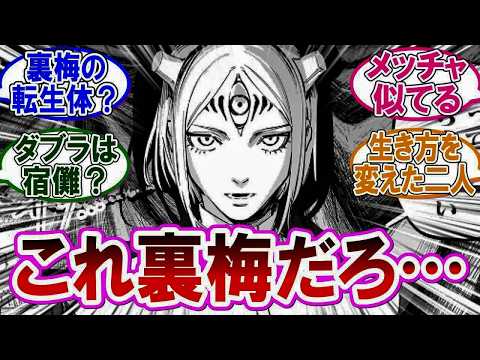
Fans of Jujutsu Kaisen noticed striking visual and thematic parallels between Spajyo, Dabra’s sister introduced in Episode 24, and the previously established character Uraume. This analysis explores whether these similarities represent intentional narrative design or coincidental character development, examining what the show’s creators may be communicating about female characters and subordination in the series.
What Happened
In Jujutsu Kaisen Episode 24, the character Spajyo makes her debut as the sister of Dabra. Immediately following the episode’s broadcast, social media erupted with observations that Spajyo’s visual design—including her hairstyle, clothing, and overall appearance—bears a notable resemblance to Uraume, a character introduced earlier in the series. Beyond surface-level similarities, viewers noted that both characters occupy comparable narrative positions: they are women depicted as subordinate to powerful male figures, raising questions about whether this parallel was intentional storytelling or design efficiency.
Why It Matters
Character design in anime is rarely accidental. When two characters share visual and thematic similarities within the same narrative, it typically signals intentional creative direction. Understanding these design choices provides insight into how Jujutsu Kaisen explores themes of agency, autonomy, and the varied forms of subordination experienced by female characters. This analysis matters because it reveals how contemporary anime uses visual language to communicate complex social and psychological themes to viewers.
Background
Jujutsu Kaisen, created by Gege Akutami, is known for its meticulous narrative construction and deliberate character design choices. The series has consistently explored the theme of female characters navigating constrained circumstances—from Maki’s training within the Zenin family to the complex positioning of various female sorcerers within the jujutsu world. Uraume, established as a devoted follower of Sukuna, represents one model of female subordination: ideological alignment with a powerful authority figure. Spajyo’s introduction as Dabra’s sister presents a different form of subordination: familial obligation combined with apparent powerlessness.
Key Points
- Visual Parallels: Both Spajyo and Uraume feature simple hairstyles and muted color palettes in their clothing, contrasting sharply with the diverse and often flamboyant designs of other Jujutsu Kaisen characters.
- Narrative Position: Both characters are depicted as subordinate to dominant male figures—Uraume to Sukuna, Spajyo to her brother Dabra—though the nature of their subordination differs.
- Fan Recognition: Twitter and online forums immediately flagged the similarities, with viewers questioning whether the design choice reflected intentional thematic reinforcement or practical character design reuse.
- Thematic Implications: The parallel positioning of these characters may serve to highlight different manifestations of female subordination: ideological versus familial, chosen versus imposed.
- Design Philosophy: The simplicity of both characters’ visual presentation may symbolically represent limited agency or freedom, contrasting with more visually complex characters who possess greater autonomy.
- Comparative Analysis: Similar character design strategies appear in other acclaimed anime series, including Attack on Titan and Demon Slayer, suggesting this is an emerging industry trend for deepening narrative meaning.
Timeline
- Episode 24 Broadcast: Spajyo is introduced as Dabra’s sister, immediately presented in a subordinate role.
- Immediate Fan Response: Within hours of broadcast, social media users begin noting visual similarities to Uraume.
- Ongoing Discussion: Fan communities continue to debate whether the similarities represent intentional design or coincidence, with analysis extending to broader themes of female characterization in the series.
Perspectives
The Intentional Design Interpretation: Many viewers and analysts argue that the visual and thematic parallels between Spajyo and Uraume represent deliberate creative choice. From this perspective, the similarities serve as a visual language communicating to audiences that both characters exist within systems of subordination. The simplicity of their designs may symbolically represent constrained agency, while their parallel positioning invites viewers to compare and contrast different forms of female powerlessness. This interpretation aligns with Jujutsu Kaisen’s demonstrated sophistication in narrative construction and thematic exploration.
The Design Efficiency Interpretation: An alternative perspective suggests that the similarities may reflect practical considerations in animation production. Character design templates are often reused for efficiency, and the visual overlap between Spajyo and Uraume could represent resource optimization rather than thematic intention. Under this reading, attributing deeper meaning to the similarities risks over-interpreting production decisions driven by scheduling and budget constraints.
The Comparative Character Study Approach: A third perspective uses the similarities as a springboard for examining how different forms of subordination function within the narrative. Uraume represents ideological subordination—a character who has chosen alignment with Sukuna based on shared beliefs. Spajyo, by contrast, appears to represent familial subordination—a character bound to Dabra by blood relation and apparent lack of alternative options. This reading suggests the similarities exist precisely to highlight these differences, using visual repetition to prompt thematic comparison.
Insights
The similarities between Spajyo and Uraume reflect a broader pattern in contemporary anime: the use of visual repetition and character parallelism to deepen thematic exploration. Rather than introducing each subordinate female character with entirely distinct visual language, Jujutsu Kaisen appears to employ design consistency as a narrative tool. This strategy invites viewers to recognize patterns and draw comparisons, actively engaging them in interpretation rather than passively consuming character information.
The specific nature of these similarities—the muted color palettes, simple hairstyles, and comparable narrative positioning—suggests intentional communication about agency and autonomy. In a series populated by visually distinctive characters with varied designs, the visual simplicity shared by Spajyo and Uraume stands out precisely because it deviates from the norm. This deviation likely carries meaning: it may symbolize the constrained circumstances these characters inhabit.
Furthermore, the parallels between these characters and similar character pairs in other acclaimed anime series (such as Historia and Annie in Attack on Titan, or Daki and Ume in Demon Slayer) suggest this represents an emerging storytelling convention. Contemporary anime creators increasingly recognize that character similarity can function as a narrative device, prompting viewers to engage in comparative analysis and deeper thematic reflection. Jujutsu Kaisen’s apparent adoption of this strategy indicates the series’ commitment to sophisticated visual storytelling that operates on multiple levels simultaneously.
The ultimate significance of Spajyo and Uraume’s similarities may only become fully apparent as their characters develop further in the narrative. Whether Spajyo follows a trajectory of awakening agency (as some fans speculate) or remains trapped within her subordinate role will determine whether the visual parallels function as foreshadowing or as commentary on the inescapability of certain circumstances. Either way, the design choice has succeeded in prompting meaningful viewer engagement with the series’ thematic concerns.