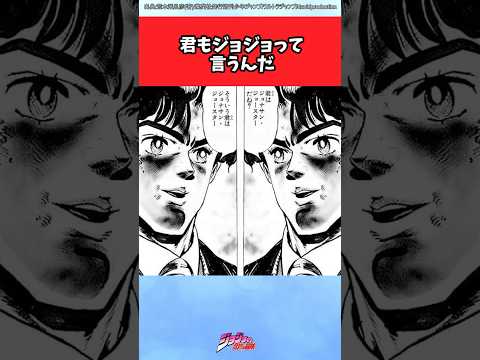
▶ Watch the original YouTube video
What Happens When JoJo’s Protagonists Meet? Fan Reactions Reveal the Series’ Crossover Appeal
A viral video exploring hypothetical encounters between JoJo’s Bizarre Adventure’s multiple protagonists has sparked intense fan discussion about the series’ unique multi-generational structure. The video reveals how fans imagine different JoJos interacting, exposing a fundamental desire to unify the franchise’s independent storylines while respecting their narrative autonomy.
What Happened
A video titled “Reader Reactions to JoJos Meeting Each Other” has gained significant traction within the JoJo fan community by presenting hypothetical scenarios in which protagonists from different parts of the series encounter one another. The video compiles fan reactions across multiple platforms, ranging from enthusiastic support to thoughtful critique, revealing how audiences imagine these crossovers would unfold and what such meetings would mean for the franchise’s narrative structure.
Why It Matters
JoJo’s Bizarre Adventure operates under a paradoxical structure: each part features a completely independent story with a different protagonist, yet all exist within the same universe and are connected through the Joestar bloodline. This unique approach to serialized storytelling creates a tension between narrative independence and thematic unity. Fan interest in crossover scenarios reflects a deeper engagement with how modern manga and anime series can balance standalone narratives with overarching mythology. Understanding this phenomenon illuminates broader trends in how audiences consume and interpret long-running franchises.
Background
JoJo’s Bizarre Adventure, created by Hirohiko Araki, has been serialized since 1987 and currently spans nine parts. Unlike traditional long-running series that follow a single protagonist’s journey, JoJo reinvents its main character with each new part while maintaining thematic and genealogical connections through the Joestar family. Part 1 introduces Jonathan Joestar, Part 2 features Joseph Joestar, Part 3 centers on Jotaro Kujo (a Joestar descendant), Part 4 follows Josuke Higashikata, Part 5 presents Giorno Giovanna, Part 6 features Jolyne Cujoh, Part 7 introduces Johnny Joestar, and Part 8 follows Josuke Higashikata again in an alternate timeline. This structure means that while characters from different parts exist in the same world, they rarely interact due to time periods, geographical separation, or narrative design choices by creator Araki.
Key Points
- The video presents hypothetical scenarios where multiple JoJo protagonists encounter each other across different parts of the series
- Fan reactions span positive enthusiasm, critical skepticism, and analytical discussion about narrative implications
- Each JoJo possesses distinct personality traits and values—from Jonathan’s chivalrous idealism to Giorno’s revolutionary pragmatism—creating potential for complex character dynamics
- The underlying fan psychology reveals a desire to unify the franchise’s independent narratives while acknowledging the importance of each part’s autonomy
- Recent anime industry trends toward crossover content and theatrical releases have amplified interest in such hypothetical scenarios
- Fan communities demonstrate mature discourse by balancing enthusiasm for crossovers with respect for the original work’s structural integrity
Timeline
- 2009: Original article author first encounters JoJo’s Bizarre Adventure during the early era of late-night anime broadcasting
- 2012: Author experiences personal fascination with crossover possibilities while simultaneously following Part 4 manga serialization and Part 3 anime adaptation
- 2015-Present: Continued engagement with all eight completed parts and ongoing Part 9 serialization
- Recent Years: Surge in anime industry crossover content through theatrical releases and special episodes
- Present: Viral video compilation of fan reactions to hypothetical JoJo protagonist meetings generates widespread community discussion
Perspectives
The Enthusiast Perspective: Many fans actively desire crossover content, expressing interest in hypothetical dialogue between characters and imagining how different JoJos’ abilities and personalities would complement or clash with one another. This group views crossovers as natural extensions of their engagement with the franchise.
The Purist Perspective: Some fans argue that crossovers would undermine JoJo’s fundamental structural integrity. They contend that each part’s independence is essential to the series’ ability to continuously reinvent itself and present genuinely new protagonists with fresh narrative possibilities.
The Analytical Perspective: Thoughtful fans recognize that the impossibility of crossovers within canon actually enhances fan creativity and community engagement. This view acknowledges that fan imagination fills the narrative gap that Araki deliberately maintains, creating a form of collective storytelling experience.
Character Compatibility Analysis: Fans have developed detailed theories about how different JoJos would interact. Jonathan’s unwavering sense of justice contrasts with Jotaro’s cold logic, while Joseph’s trickster nature differs sharply from Josuke’s community-oriented warmth. Giorno’s revolutionary ideology and Jolyne’s familial devotion, though seemingly different, share a common thread of resistance against established systems.
Insights
The fascination with JoJo crossover scenarios reveals a fundamental aspect of how audiences engage with serialized fiction: the desire to unify disparate narratives into a coherent whole. This impulse reflects what might be called a “unity desire”—the human tendency to seek connection and coherence across separate stories. However, JoJo’s deliberate refusal to fulfill this desire actually strengthens the series’ appeal. By keeping each part independent, Araki ensures that readers experience genuine novelty with each new protagonist, preventing the franchise from becoming formulaic or stale.
The video’s popularity also demonstrates how fan communities have evolved beyond passive consumption. Rather than waiting for official crossover content, fans actively create meaning through discussion, analysis, and imaginative speculation. This represents a mature form of fandom that simultaneously celebrates the source material while acknowledging its limitations and exploring its unrealized potential.
Furthermore, this phenomenon aligns with broader trends in contemporary anime and manga fandom. The success of theatrical releases and special episodes that expand on existing narratives shows that audiences hunger for additional content that respects canonical integrity while offering fresh perspectives. For JoJo specifically, the possibility of future crossovers through indirect means—such as ghostly appearances or memory sequences in later parts—remains intriguing without compromising the series’ structural foundation.
Ultimately, JoJo’s Bizarre Adventure exemplifies how a series can achieve both narrative independence and thematic unity. By connecting disparate stories through bloodline and shared supernatural elements while maintaining each part’s autonomy, Araki has created a framework that allows the franchise to continuously evolve while remaining fundamentally recognizable. The fan community’s engagement with crossover scenarios demonstrates their deep understanding of this delicate balance and their appreciation for the series’ structural sophistication.