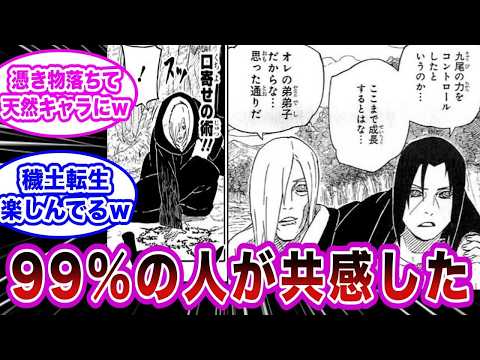
▶ Watch the original YouTube video
How Naruto Fans Reacted to Nagato’s Edo Tensei Resurrection: A 15-Year Analysis
The resurrection of Nagato through Edo Tensei in Naruto sparked complex and divided reactions among fans worldwide. This deep analysis explores why the reanimation of the fallen Pain leader challenged the series’ core themes about death, redemption, and narrative closure after 15 years of fandom.
What Happened
Nagato, the primary antagonist defeated during the Pain arc, was resurrected through the Edo Tensei (Impure World Reincarnation) technique in the later stages of Naruto. This reanimation brought the character back to the battlefield in an incomplete, undead state—retaining his memories and consciousness but bound by the limitations of the jutsu. The resurrection fundamentally challenged the narrative closure many fans believed had been achieved when Nagato sacrificed his life to revive the villagers of Leaf Village.
Why It Matters
Nagato’s resurrection represents a critical turning point in how the Naruto series handles one of fiction’s most fundamental concepts: death and its permanence. For over a decade, the series had established death as an absolute, irreversible consequence. The introduction of Edo Tensei and its application to major characters like Nagato forced fans and creators alike to reconsider the weight and meaning of character mortality. This shift has broader implications for long-running shonen anime and manga, influencing how subsequent series approach character resurrection and narrative stakes.
Background
Nagato’s original death came after his defeat by Naruto during the Pain arc—one of the series’ most emotionally significant moments. In a redemptive act, Nagato used his remaining life force to resurrect all the villagers he had killed, seemingly concluding his character arc with sacrifice and atonement. Many fans, including the author of this analysis who began following Naruto in 2006, interpreted this as the definitive end to Nagato’s story. The character had transitioned from villain to tragic figure, his narrative purpose seemingly fulfilled.
However, the Edo Tensei technique—a forbidden jutsu capable of reanimating the dead—had been established earlier in the series. When applied to Nagato, it created a philosophical and narrative paradox: was this truly Nagato, or merely a shadow of him? Did he retain agency, or was he bound by the jutsu’s control? These questions became central to fan discourse.
Key Points
- Narrative Paradox: Edo Tensei created an ambiguous state where Nagato existed as neither fully himself nor completely separate, challenging the finality of his original death.
- Thematic Contradiction: The resurrection undermined the series’ earlier emphasis on death as an absolute, irreversible consequence with genuine weight and meaning.
- Divided Fan Response: Reactions ranged from emotional appreciation for a second chance at Naruto-Nagato reconciliation to criticism that the technique cheapened character mortality.
- Philosophical Implications: The reanimation forced reconsideration of redemption, sacrifice, and whether incomplete resurrection serves narrative purpose or dilutes it.
- Character Agency Questions: Fans debated whether Nagato’s actions during Edo Tensei reflected his true will or the jutsu’s control, creating interpretive uncertainty.
- Broader Series Impact: The technique’s application signaled a fundamental shift in how Naruto approached stakes, consequences, and the permanence of narrative closure.
Timeline
- 2006: Author begins following Naruto serialization as a middle school student.
- Pain Arc Conclusion: Nagato is defeated by Naruto and sacrifices his life to revive fallen villagers, seemingly ending his character arc.
- Edo Tensei Introduction: The reanimation technique is established as a forbidden jutsu capable of resurrecting the dead.
- Nagato’s Edo Tensei Resurrection: Nagato is reanimated and returns to the battlefield, creating narrative and philosophical complications.
- Fan Discourse Period: Social media, forums, and fan communities engage in extensive debate about the resurrection’s meaning and implications.
- 2021+: Author reflects on 15+ years of Naruto fandom and the lasting impact of this narrative choice.
Perspectives
Supportive Interpretation: Many fans viewed Nagato’s resurrection as a meaningful opportunity for unfinished philosophical dialogue with Naruto. Rather than a narrative contradiction, they saw it as a chance for genuine reconciliation—moving beyond the one-sided “persuasion” of their original encounter to true mutual understanding. This perspective emphasizes character development and emotional completion over strict narrative finality.
Critical Perspective: Other fans argued that Edo Tensei fundamentally undermined the series’ thematic foundation. By making death reversible, the technique eliminated genuine stakes and consequences. This view holds that Nagato’s original sacrifice was narratively complete and that resurrection diminished rather than enhanced his character arc. Critics point to the technique’s application as evidence of the series prioritizing spectacle over philosophical consistency.
Technical Analysis: A third perspective focuses on the ambiguity of Edo Tensei itself. Fans debated whether reanimated individuals retain true agency or exist as puppets of the jutsu. Applied to Nagato, this uncertainty created interpretive space—some saw his actions as authentic choices, while others viewed them as predetermined by the technique’s mechanics. This ambiguity itself became a source of fascination and frustration.
Comparative Context: When compared to similar “post-mortem returns” in other series—such as Erwin Smith’s incomplete resurrection in Attack on Titan or Tanjiro’s transformation in Demon Slayer—Nagato’s Edo Tensei stands out for its philosophical complications. Unlike these examples, which clearly advance character arcs or introduce transformative change, Nagato’s resurrection exists in narrative limbo, neither fully resolving nor clearly advancing his story.
Insights
Nagato’s Edo Tensei resurrection reveals fundamental tensions in how long-running shonen narratives balance emotional satisfaction with philosophical consistency. The technique’s application exposes a core contradiction: the series had built its emotional weight on the permanence of death, yet later introduced a mechanism that renders death provisional.
The divided fan response reflects deeper questions about narrative closure and character redemption. Nagato’s original death functioned as complete atonement—sacrifice that balanced transgression. His resurrection reopens this question: was his redemption truly complete, or was it merely interrupted? This ambiguity, while potentially enriching, also creates narrative uncertainty that some fans found unsatisfying.
The broader implication extends beyond Nagato to the series’ entire philosophical framework. Early Naruto emphasized that actions have irreversible consequences; death was the ultimate cost of villainy or sacrifice. The introduction of Edo Tensei fundamentally altered this worldview, shifting from a universe where death is absolute to one where it is merely a temporary setback. This shift reflects broader trends in contemporary anime and manga, where resurrection and reincarnation have become increasingly common narrative tools.
From a character perspective, Nagato’s resurrection offered an opportunity for the series to explore whether redemption requires permanence or whether incomplete resurrection can still carry meaning. The execution of this concept—whether successful or problematic—depends largely on individual interpretation, which explains the persistence of fan debate years after the arc’s conclusion.
Ultimately, Nagato’s Edo Tensei resurrection serves as a case study in how narrative choices ripple through fan communities. It demonstrates that major story decisions are not merely plot points but philosophical statements that can either reinforce or contradict a work’s established themes. The complexity and duration of fan discussion surrounding this moment testifies to the depth of engagement Naruto inspired and the genuine stakes fans invested in its thematic consistency.