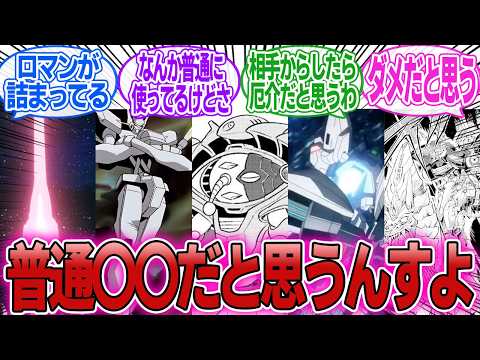
▶ Watch the original YouTube video
Uncovering the Hidden Pattern: What All Mobile Suit Gundam Characters Have in Common
A viral video asking fans to identify a common trait shared by Mobile Suit Gundam characters has sparked widespread discussion in the anime community. After 15 years of analyzing the franchise, one longtime fan reveals the psychological pattern that connects protagonists across four decades of storytelling.
- What Happened
- Why It Matters
- Background
- Key Points
- Timeline
- Perspectives
- The Pattern Explained: Choice and Responsibility
- Comparative Analysis: Gundam vs. Other Mecha Anime
- Director Intent and Thematic Evolution
- Recent Developments: The Witch from Mercury
- Practical Guide for Gundam Viewers
- Fan Reactions and Community Response
- Insights and Broader Implications
What Happened
A recent video posed a simple question to Gundam fans: “Can you figure out what these characters have in common?” The question sparked considerable debate across social media platforms, with viewers discovering a consistent psychological pattern woven throughout the entire Gundam franchise. The video highlighted how protagonists from different eras and storylines share a fundamental behavioral structure despite their vastly different circumstances and settings.
Why It Matters
Understanding this pattern reveals why Mobile Suit Gundam has remained culturally relevant for over 40 years. Unlike other mecha anime that rely primarily on mechanical spectacle or heroic triumph, Gundam consistently explores the psychological burden of individual choice within systems of war and conflict. This thematic consistency—while remaining invisible to casual viewers—creates a deeper resonance with audiences who recognize the pattern across multiple series. The discovery also demonstrates how long-form storytelling can maintain structural coherence across decades while remaining fresh and relevant.
Background
The Mobile Suit Gundam franchise began in 1979 with the original series, which introduced protagonist Amuro Ray and established many of the narrative conventions the series would revisit. Over the following four decades, numerous directors and writers have contributed to the franchise, including Yoshiyuki Tomino (the original creator), Kazuyoshi Katayama (Gundam SEED), Seiji Mizushima (Gundam 00), and Tatsuyuki Nagai (Iron-Blooded Orphans). Despite this creative diversity, a consistent thematic thread runs through nearly all major Gundam productions.
The franchise has produced multiple distinct continuities—the Universal Century timeline, the Alternate Universes (AU), and newer experimental narratives—yet each maintains similar character psychology and narrative structures. This consistency has not been explicitly documented in official materials, making fan recognition of the pattern particularly significant.
Key Points
- The Core Pattern: Gundam protagonists consistently face situations where they are forced into conflict against their will, yet feel compelled to take responsibility for the consequences of their actions.
- Psychological Consistency: From Amuro Ray in the original series to Kira Yamato in Gundam SEED to Sletта Mercury in Gundam: The Witch from Mercury, characters share a fundamental conflict between personal desire and perceived obligation.
- Thematic Evolution: While the core pattern remains constant, each series approaches it from different angles—political (Gundam 00), personal (SEED), systemic (Iron-Blooded Orphans), and contemporary (The Witch from Mercury).
- Viewer Recognition Gap: Long-time fans and newcomers perceive this pattern differently, with experienced viewers recognizing it across multiple series while newer audiences may not notice the connection.
- Structural Distinction: Compared to other mecha anime like Neon Genesis Evangelion (which emphasizes self-negation) or Gurren Lagann (which emphasizes self-actualization), Gundam uniquely focuses on the paradox of individual powerlessness within larger historical forces.
- Director Awareness: Interviews with various Gundam directors reveal they consciously inherit and reinterpret this thematic core while adding new perspectives.
Timeline
- 2009: Long-time fan begins intensive Gundam analysis after watching Mobile Suit Gundam 0080: War in the Pocket, recognizing recurring psychological patterns.
- 2015: Fan revisits the original Mobile Suit Gundam and identifies the “choice and responsibility” pattern in Amuro Ray’s character arc.
- 2018: Fan reexamines Gundam SEED and confirms the same psychological structure in protagonist Kira Yamato.
- 2022: Fan observes the pattern manifesting in contemporary form in Gundam: The Witch from Mercury with protagonist Sletта Mercury.
- Present: Viral video brings the pattern to wider fan awareness, generating discussion across multiple platforms.
Perspectives
Fan Recognition and Enthusiasm: Many viewers on Twitter and YouTube expressed excitement at having an intuitive understanding validated. Comments like “So they all say they don’t want to fight but keep fighting anyway” demonstrate how fans had sensed the pattern without explicit articulation. This recognition creates a sense of community among viewers who perceive deeper layers in the narrative.
Critical Appreciation: Some analysts view the pattern as evidence of sophisticated storytelling architecture. They argue that Gundam’s ability to repeat a fundamental theme across 40 years while maintaining narrative freshness demonstrates masterful creative control. This perspective values the franchise’s structural consistency as a strength.
Skeptical Response: Other viewers questioned whether such deep thematic analysis is necessary for “just a robot anime.” This perspective reflects different engagement levels with the medium—some viewers prioritize entertainment value and mechanical spectacle over psychological analysis. This criticism is valid; Gundam works as entertainment regardless of thematic awareness.
Nuance and Individual Identity: Some commenters on forums like 2channel noted that while the common pattern exists, each series maintains distinct characteristics and perspectives. They argue that overemphasizing the pattern risks obscuring the individual creative contributions of different directors and writers. This perspective balances pattern recognition with appreciation for creative diversity.
The Pattern Explained: Choice and Responsibility
The core pattern identified across Gundam series can be summarized as follows: protagonists are placed in situations where they are forced into conflict—not through explicit coercion, but through circumstance—and subsequently feel psychological responsibility to continue fighting despite their personal reluctance.
In the original Mobile Suit Gundam, Amuro Ray is not drafted or forced into the military. Instead, he encounters the Gundam mobile suit during an attack on his colony and pilots it to protect those around him. Once he begins piloting, he becomes psychologically bound to continue—not by external force, but by the belief that his absence would result in greater casualties. This internal sense of obligation becomes his primary motivation.
Kira Yamato in Gundam SEED follows an identical psychological arc. Despite repeatedly stating his desire to avoid combat, he continues piloting the Strike Gundam because he believes his participation reduces overall casualties. The contradiction between his stated wishes and his actions drives his character development throughout the series.
This pattern appears consistently because it reflects a fundamental aspect of human psychology: the tension between personal autonomy and social responsibility. By placing characters in situations where these two forces conflict, Gundam explores questions about individual agency, moral responsibility, and the limits of personal choice within larger systems.
Comparative Analysis: Gundam vs. Other Mecha Anime
Gundam’s approach to protagonist psychology differs significantly from other major mecha franchises. Neon Genesis Evangelion emphasizes psychological trauma and self-negation, with protagonist Shinji Ikari motivated primarily by fear and the desire for acceptance. Gurren Lagann emphasizes self-actualization and personal growth, with protagonists driven by determination and belief in their own potential. Macross series prioritize personal motivation and romantic relationships as driving forces.
Gundam uniquely emphasizes the paradox of individual powerlessness. Even when protagonists achieve military victories, they cannot stop the war itself. Their personal actions, however significant militarily, remain microscopically small within the larger historical forces driving conflict. This creates a distinctive psychological burden: the protagonist must act despite knowing their actions cannot fundamentally resolve the underlying conflict.
Director Intent and Thematic Evolution
Interviews with various Gundam directors reveal conscious awareness of this thematic core. Yoshiyuki Tomino, the original creator, has repeatedly discussed “individual responsibility in warfare” as a central concern. Seiji Mizushima, director of Gundam 00, stated in interviews that “the essence of Gundam lies in questioning how individual actions affect the world.” Tatsuyuki Nagai, director of Iron-Blooded Orphans, focused on “how individual choices alter destiny.”
Rather than simply repeating the same theme, each director reinterprets it through different lenses. Gundam 00 emphasizes political dimensions, SEED emphasizes personal relationships, Iron-Blooded Orphans emphasizes systemic oppression, and The Witch from Mercury emphasizes contemporary concerns about agency and manipulation. This approach—maintaining thematic consistency while varying perspective—explains how the franchise remains fresh across four decades.
Recent Developments: The Witch from Mercury
The most recent major Gundam series, Mobile Suit Gundam: The Witch from Mercury (2022-2023), demonstrates the pattern’s continued relevance. Protagonist Sletта Mercury appears to voluntarily attend a prestigious academy, but gradually discovers she is embedded within her mother’s larger scheme. This structure reframes the traditional “forced into conflict” pattern for contemporary audiences concerned with agency, manipulation, and hidden systems of control.
The series suggests that the pattern itself is evolving. Rather than explicit military conscription, modern versions explore how individuals become entangled in systems through information asymmetry and hidden agendas. This evolution maintains thematic continuity while addressing contemporary anxieties.
Practical Guide for Gundam Viewers
For New Viewers: Begin with the original Mobile Suit Gundam series. This establishes the foundational pattern and thematic concerns that subsequent series build upon. Without this foundation, the pattern becomes difficult to recognize in later works.
During Viewing: Pay particular attention to protagonists’ internal conflicts rather than external action sequences. Ask yourself: “Why does this character continue fighting despite their stated reluctance?” This question illuminates the psychological core of Gundam storytelling.
After Viewing: Compare protagonists across different series. Create a simple chart noting how Amuro, Kira, Shin Asuka, and Sletта respond to similar psychological pressures. This comparative approach makes the pattern explicit.
Supplementary Study: Read interviews with Gundam directors and producers. Understanding creative intent deepens appreciation for how the pattern is consciously maintained and evolved.
Comparative Viewing: Watch thematically similar works like Mobile Police Patlabor or Neon Genesis Evangelion. Comparing Gundam’s approach to character psychology with other series clarifies what makes Gundam distinctive.
Fan Reactions and Community Response
Following the video’s release, reactions varied significantly across platforms. Twitter users frequently posted variations of “Oh, they all say they don’t want to fight but keep fighting anyway”—a concise articulation of the pattern. Many expressed surprise at recognizing something they had intuitively understood but never explicitly identified.
YouTube comments emphasized the thematic depth as central to Gundam’s appeal. Positive responses highlighted how the pattern demonstrates sophisticated narrative architecture. Critical responses questioned whether such analysis was necessary, reflecting different viewer priorities.
Forum discussions on platforms like 2channel noted that while the common pattern exists, each series maintains distinct characteristics. This balanced perspective acknowledges both the structural consistency and the creative individuality of different installments.
The variation in responses reflects different engagement levels with anime as a medium. Some viewers prioritize entertainment and spectacle; others seek thematic depth and psychological complexity. Gundam’s success stems partly from its ability to satisfy both audiences simultaneously.
Insights and Broader Implications
The recognition of this pattern across Gundam series demonstrates how long-form storytelling can maintain thematic coherence across decades while remaining creatively fresh. Rather than viewing repetition as a limitation, the franchise treats the core pattern as a foundation for varied exploration.
This approach offers lessons for serialized storytelling more broadly. By identifying a fundamental human concern—the tension between personal autonomy and social responsibility—and exploring it from multiple angles across different narratives, creators can maintain audience engagement across extended timeframes. The pattern provides continuity while individual variations provide novelty.
The pattern also reflects broader cultural concerns about individual agency within large systems. As societies become more complex and interconnected, questions about how individual choices matter within larger forces become increasingly relevant. Gundam’s consistent exploration of this tension explains its enduring appeal across generations.
Looking forward, the franchise faces an interesting challenge: maintaining the pattern’s relevance while avoiding predictability. The Witch from Mercury suggests one direction—reframing the pattern through contemporary concerns about information, manipulation, and hidden systems. Future installments will likely continue this evolution, exploring how the fundamental tension between choice and responsibility manifests in new contexts.
Ultimately, Gundam’s 40-year success stems from balancing two seemingly contradictory elements: structural consistency and creative variation. The franchise maintains a recognizable thematic core while allowing individual creators to explore that core from fresh perspectives. This balance between pattern and innovation explains why Gundam remains culturally significant long after many contemporaries have faded from public consciousness.