▶ Watch the original YouTube video
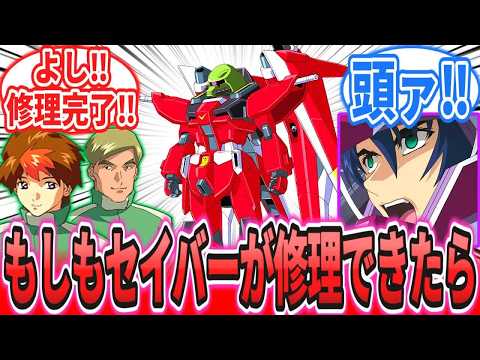
What If Saber Had Been Repaired? Analyzing the Fan Debate Behind Mobile Suit Gundam SEED FREEDOM
Mobile Suit Gundam SEED FREEDOM has sparked intense online debate about a pivotal narrative choice: the decision to leave Saber, Shin Asuka’s mobile suit, irreparably damaged. This article explores how that single creative decision reshapes character development, examines competing fan theories, and reveals what the repair question reveals about the Gundam franchise’s evolution.
What Happened
In Mobile Suit Gundam SEED FREEDOM, Saber—the advanced mobile suit piloted by Shin Asuka—sustains damage that the narrative presents as irreparable. This plot point has become a focal point for fan discussion online, with viewers debating whether the damage was truly beyond repair or whether the story deliberately prevented Saber’s restoration to serve narrative purposes. The question has generated substantial discourse across Twitter, YouTube, Reddit, and anime forums, splitting the fanbase into two camps: those who believe Saber could have been repaired given Zaft’s technological capabilities, and those who argue the irreparable damage is essential to the story’s thematic integrity.
Why It Matters
The Saber repair question transcends a simple technical debate about mobile suit maintenance. It touches on fundamental themes that have defined the Gundam franchise for decades: the relationship between loss and character growth, the symbolism of equipment as psychological anchors, and how creators use narrative constraints to force character evolution. For longtime Gundam fans, this decision represents a continuation of storytelling traditions established across multiple series, while simultaneously raising questions about whether the franchise is moving toward or away from its core themes. The debate also reveals how fan communities engage with creator intent, examining whether perceived limitations are deliberate artistic choices or missed opportunities.
Background
Mobile Suit Gundam SEED FREEDOM arrives nearly 20 years after Mobile Suit Gundam SEED DESTINY, bringing back characters including Kira Yamato and Shin Asuka. Shin’s journey has been central to the SEED narrative since DESTINY, where he piloted Saber as a symbol of his growth and internal conflict. The original SEED series established a pattern where mobile suits—particularly Kira’s Freedom Gundam—underwent repeated repairs and modifications, treating mechanical restoration as both a practical necessity and a metaphor for emotional recovery. SEED FREEDOM inherits this tradition while introducing a new variable: a mobile suit that cannot be restored. This represents a potential shift in how the franchise treats the relationship between pilots and their machines.
Key Points
- Technical vs. Narrative Repair: Online discussions distinguish between whether Saber’s damage was technically irreparable given Zaft’s capabilities versus whether the damage was narratively designed to be irreparable for story purposes.
- Character Development Through Loss: Proponents of the irreparable damage argue it forces Shin Asuka to mature beyond dependence on his familiar mobile suit, paralleling growth patterns seen in other Gundam series like Mobile Suit Gundam Wing.
- Franchise Continuity: The repeated repairs of Kira’s Freedom Gundam across multiple SEED entries established expectations that advanced mobile suits could be restored, making Saber’s irreparable state a deliberate subversion of established patterns.
- Thematic Consistency: The “loss and rebirth” theme has defined Gundam storytelling since the original 1979 series, with Saber’s irreparability fitting this tradition rather than breaking it.
- Fan Engagement and Speculation: The ambiguity surrounding Saber’s repairability has generated extensive fan theories, creative speculation about alternate scenarios, and comparative analysis with other Gundam works.
- Psychological Symbolism: Saber functions as Shin’s emotional security blanket; its loss forces genuine psychological growth rather than allowing him to retreat into familiar comfort.
Timeline
- 2004: Original Mobile Suit Gundam SEED airs; establishes pattern of mobile suit repair as both practical and metaphorical element.
- 2004-2005: Mobile Suit Gundam SEED DESTINY airs; Shin Asuka introduced as pilot of Saber, establishing the mobile suit as symbol of his character arc.
- 2005-2024: 20-year gap between SEED DESTINY and SEED FREEDOM; franchise explores various Gundam timelines and themes.
- 2024: Mobile Suit Gundam SEED FREEDOM releases in theaters; Saber appears in irreparable condition, sparking online debate.
- Post-Release: Fan communities across multiple platforms engage in sustained discussion about repair feasibility and narrative implications.
Perspectives
The “Repair Was Possible” Perspective: This camp argues that given Zaft’s advanced technology and the relatively recent damage to Saber, the mobile suit should have been repairable. Twitter users and forum participants in this group express frustration that Shin was denied continued use of his signature machine, viewing it as a missed opportunity for extended action sequences and character interaction. YouTube commenters in this category often frame the decision as prioritizing narrative convenience over logical consistency. They point out that Kira’s Freedom Gundam underwent multiple repairs across the SEED saga, establishing a precedent that advanced mobile suits are resilient and maintainable.
The “Irreparable Damage Serves the Story” Perspective: More analytically-minded fans argue that Saber’s irreparability is a deliberate and sophisticated narrative choice. This group emphasizes that the loss forces Shin to mature beyond dependence on a familiar tool, paralleling character arcs in Mobile Suit Gundam F91 and Mobile Suit Gundam Unicorn where pilots must adapt to changed circumstances. These fans view the decision as consistent with the Gundam franchise’s recurring theme of “loss and rebirth,” where characters achieve genuine growth only by releasing attachment to their past. This perspective treats the repair question not as a technical problem but as a thematic statement about moving forward.
Insights
The Saber repair debate illuminates how the Gundam franchise has evolved in its treatment of character development and mechanical symbolism. Across 20 years of SEED storytelling, the franchise has gradually shifted from viewing mobile suit repair as a straightforward practical matter to treating it as a profound narrative tool. The decision to make Saber irreparable represents a maturation of this approach: rather than allowing characters to remain psychologically anchored to familiar equipment, the franchise now uses equipment loss as a catalyst for genuine transformation.
This creative choice also reveals the franchise’s confidence in its thematic depth. By deliberately preventing a repair that audiences might expect based on established patterns, the creators invite fans to engage with questions about narrative intent, character psychology, and the symbolic weight of mechanical objects. The resulting online discourse—spanning technical analysis, psychological interpretation, and comparative franchise study—demonstrates that the ambiguity itself has become a storytelling asset.
For viewers approaching SEED FREEDOM, understanding Saber’s irreparability requires engaging with the broader Gundam tradition of using loss as a vehicle for growth. The mobile suit’s destruction is not a limitation imposed by circumstance but a deliberate threshold that separates Shin’s past from his future. Whether audiences ultimately accept this narrative choice depends on whether they view it as thematically consistent with the franchise’s core values or as a missed opportunity for extended character exploration. Both interpretations remain valid, and the ongoing debate itself validates the creative risk the filmmakers took.