▶ Watch the original YouTube video
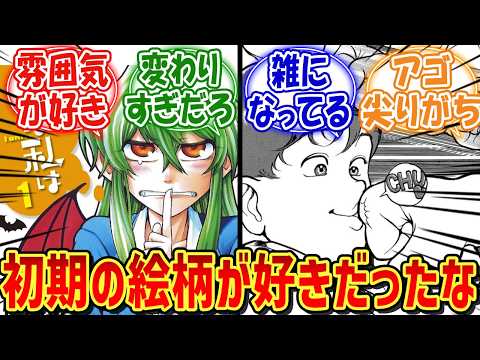
Long-running anime and manga series inevitably undergo significant art style changes, yet fans frequently express nostalgia for earlier designs. This phenomenon is not mere sentimentality—it reflects deeper psychological patterns rooted in memory, personal growth, and the tension between creative evolution and audience expectations.
What Happened
Over 15 years of consuming anime and manga, a pattern emerges: fans consistently express attachment to early art styles as series progress. This sentiment appears across major franchises including Attack on Titan, One Piece, Demon Slayer, and Fate series. The phenomenon is not isolated to specific works but represents a universal response to long-running creative projects. Social media platforms including Twitter and 5channel regularly feature discussions where fans articulate preferences for earlier character designs and visual aesthetics, even as they acknowledge appreciation for later work.
Why It Matters
Understanding this psychological pattern has implications for creators, publishers, and fans alike. For the industry, it reveals the tension between creative evolution and audience retention. For creators, it highlights the pressure to balance artistic growth with maintaining the visual identity that attracted initial audiences. For fans, recognizing this pattern offers perspective on how nostalgia shapes perception of beloved works. The phenomenon also illustrates how personal development intertwines with media consumption—what fans remember is not merely visual style but the emotional context of their initial encounter with a series.
Background
Art style evolution in long-running series stems from multiple interconnected factors. Weekly serialization demands—particularly in publications like Weekly Shonen Jump, which requires approximately 20 pages of finished artwork weekly—force creators to make strategic choices about efficiency versus detail. This pressure intensifies over years of continuous production. Additionally, manga artists experience simultaneous growth and fatigue; early chapters reflect maximum effort toward perfection, while later chapters balance deadline pressures with quality maintenance. Anime adaptation introduces another variable: when animated versions establish “official” character appearances, original manga artists sometimes unconsciously shift their designs toward these established visuals. The transition from traditional to digital art tools also affects visual presentation, potentially diminishing the tactile warmth of hand-drawn work.
Key Points
- Art style changes in long-running series are inevitable consequences of production pressures, artist development, and industry demands rather than deliberate creative choices alone
- Fan attachment to early designs stems not from superior artistry but from “context-dependent memory”—the emotional and environmental associations tied to initial viewing experiences
- This phenomenon exhibits universal patterns across anime and manga but manifests differently depending on how visual evolution aligns with narrative development
- The psychology underlying nostalgia for early styles reflects broader human tendency to idealize initial experiences and resist change
- Digital art adoption, anime adaptation effects, and serialization formats all contribute to observable style shifts across different franchises
- Recognizing this pattern allows fans to appreciate both early authenticity and later refinement as distinct expressions of creative growth
Timeline
- 2004: Original Fate/stay night visual novel release establishes initial character designs
- 2006: The Melancholy of Haruhi Suzumiya anime airs, creating cultural touchstone for early 2000s anime aesthetics
- 2009: Bakemonogatari broadcast begins; distinctive Shaft studio visual style becomes reference point for subsequent series evolution
- 2013–2023: Attack on Titan serialization showcases decade-long art style progression from rough linework to refined expressiveness
- 2019–2024: Recent anime demonstrates increased standardization techniques and emerging AI-assisted animation tools
Perspectives
The Nostalgia Perspective: Fans who prefer early art styles argue that initial designs possessed distinctive character and energy. For One Piece, detailed early chapters contrasted sharply with streamlined later work. This group views style changes as loss of originality rather than natural evolution.
The Evolution Perspective: Others interpret style changes as evidence of artistic growth and technical refinement. Attack on Titan exemplifies this view—the transition from rough, dynamic linework to sophisticated visual storytelling paralleled narrative maturation. This perspective frames change as positive development.
The Production Reality Perspective: Industry professionals emphasize that style shifts reflect survival strategies rather than artistic preference. Weekly serialization creates unsustainable demands; efficiency modifications enable creators to maintain output without physical collapse. From this view, style changes represent pragmatic adaptation to systemic constraints.
The Psychological Perspective: Researchers identify “context-dependent memory” as the mechanism underlying nostalgia. Fans don’t merely remember visual designs; they remember the emotional state, social environment, and personal circumstances of initial viewing. The art style becomes a trigger for comprehensive memory reconstruction, making early designs feel inherently superior regardless of objective technical quality.
Insights
The persistent pattern of fans preferring early art styles reveals fundamental truths about how humans experience media and time. This is not primarily about visual aesthetics—it reflects the human tendency to idealize initial experiences and associate them with earlier versions of ourselves. When fans say “I preferred the early art style,” they often mean “I miss the person I was when I first experienced this work.”
The phenomenon also exposes the inherent tension between creative evolution and audience expectations. Creators must simultaneously pursue artistic growth and maintain the visual identity that attracted audiences. This tension is not resolvable but manageable through awareness. Successful long-running series like Attack on Titan navigate this by ensuring visual evolution aligns with narrative development, making style changes feel organic rather than arbitrary.
For the industry, the pattern suggests that consistency matters as much as quality. Recent trends show increased emphasis on standardizing character designs across animation teams and maintaining visual stability throughout series runs. The emerging role of AI-assisted animation may further influence how style evolution occurs in future works.
Ultimately, recognizing this psychological pattern offers liberation. Fans can appreciate early designs as authentic expressions of a creator’s initial vision while simultaneously valuing later refinement as evidence of sustained growth. The “best” art style is not the earliest or the latest—it is the one that most effectively serves the story being told at that moment. Understanding this distinction transforms nostalgia from a barrier to deeper appreciation into a bridge connecting past and present selves.