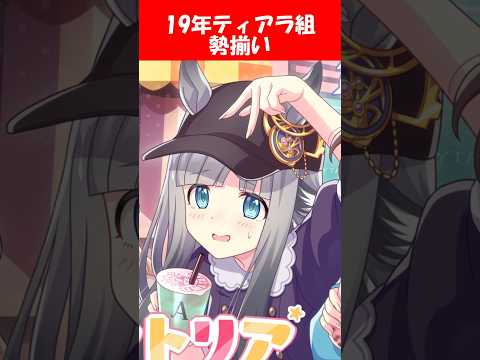
▶ Watch the original YouTube video
How Uma Musume’s 2026 Victoria Mile Memorial Illustration Sparked Debate About Fan Culture and Gaming History
The release of Uma Musume Pretty Derby’s 2026 Victoria Mile memorial illustration featuring Karen Boke Doll, Chrono Genesis, and Gran Alegria has ignited significant discussion within the gaming community about the nature of fan engagement, character selection criteria, and what memorial illustrations truly represent in gaming culture.
What Happened
Uma Musume Pretty Derby released a new memorial illustration for the Victoria Mile featuring three popular characters: Karen Boke Doll, Chrono Genesis, and Gran Alegria. The illustration commemorates actual thoroughbred racehorses that won the Victoria Mile—a prestigious race in Japanese horse racing history. Karen Boke Doll won in 2000 as the inaugural Victoria Mile champion, Chrono Genesis won in 2019, and Gran Alegria won in 2020. The release generated substantial fan discussion across social media platforms, with reactions ranging from celebration to analytical debate about why these three horses were selected.
Why It Matters
This illustration release reveals how modern gaming communities engage with content that bridges fictional characters and real historical achievements. Uma Musume differs fundamentally from other character-driven games by grounding its characters in actual horse racing history. Memorial illustrations in Uma Musume function not merely as cosmetic updates but as official recognition of a character’s historical significance. The fan reactions demonstrate how players invest emotionally in characters tied to real events, creating a unique form of fan engagement that combines gaming, history appreciation, and competitive discussion about character value and recognition.
Background
Uma Musume Pretty Derby is a mobile game that reimagines famous racehorses as characters while maintaining fidelity to their actual racing achievements and histories. Since its launch in 2021, the game has developed a sophisticated system where memorial illustrations commemorate horses that achieved significant victories in real races. These illustrations serve as more than decorative elements—they represent official acknowledgment of a character’s historical importance within both the game world and actual racing history.
The game’s approach differs significantly from other character-driven titles like The Idolmaster Cinderella Girls, where memorial illustrations function primarily as gacha rewards, or Granblue Fantasy, where they serve as character enhancement mechanics. In Uma Musume, memorial illustrations explicitly honor real historical accomplishments, creating a framework where fan engagement intersects with respect for actual sporting history.
Key Points
- Three-horse selection: Karen Boke Doll, Chrono Genesis, and Gran Alegria were chosen to represent Victoria Mile champions from different eras (2000, 2019, 2020), spanning multiple decades of racing history
- Selection criteria debate: Fans actively discussed why these specific horses were selected, analyzing whether choices were based on actual racing achievements, character popularity, or implementation timing
- Illustration quality analysis: Community members examined artistic details, character expressions, and costume design, demonstrating sophisticated appreciation for the artwork
- Fan psychology patterns: Reactions fell into three categories—celebration from fans whose favorite characters were selected, disappointment from those whose favorites were excluded, and analytical discussion about selection methodology
- Community activation: The release sparked extensive discussion on Twitter, YouTube, and forums, generating fan art, comparative analysis, and debates about character importance hierarchies
- Historical significance recognition: The illustration format demonstrates how players value the connection between fictional characters and real racing history
Timeline
- 2000: Karen Boke Doll wins the inaugural Victoria Mile
- 2019: Chrono Genesis wins the Victoria Mile
- 2020: Gran Alegria wins the Victoria Mile and achieves the filly triple crown
- 2021: Uma Musume Pretty Derby launches; players begin engaging with character-history integration
- 2023: Gran Alegria’s implementation generates significant discussion about historical achievement representation
- 2026: Victoria Mile memorial illustration released, sparking widespread community discussion
Perspectives
Fans of selected characters: Players whose favorite horses received memorial illustrations expressed joy and validation, interpreting the selection as official recognition of their chosen character’s importance. This response reflects what psychologists call “in-group bias”—the satisfaction of having made a “correct” choice that the game developers acknowledge.
Fans of unselected characters: Players whose favorite horses were not included expressed disappointment and questioned the selection criteria. Rather than dismissing these concerns, many engaged in constructive analysis about why certain horses might have been prioritized, demonstrating sophisticated understanding of game development decision-making.
Analytical community members: A significant portion of the community approached the announcement as an opportunity to understand developer intent. These players analyzed historical racing records, character popularity metrics, and implementation timelines, treating the memorial illustration system as a meaningful design framework worthy of serious study.
Game industry observers: From a broader perspective, the memorial illustration system represents an innovative approach to character recognition that acknowledges real historical achievement rather than purely fictional popularity or gameplay mechanics.
Comparison with Other Games
Uma Musume’s memorial illustration approach stands distinct within the gaming landscape. The Idolmaster Cinderella Girls uses memorial illustrations primarily as gacha incentives tied to popularity voting results. Granblue Fantasy implements them as character power-up mechanics tied to game balance. Fate/Grand Order connects them to story event relevance. Uma Musume uniquely positions memorial illustrations as celebrations of actual historical sporting achievement, creating a framework where fan engagement simultaneously honors real racing history.
Industry Trends and Developer Intent
Observing Uma Musume’s evolution reveals a broader industry trend toward what might be called “valorizing authenticity.” From 2019-2021, the game’s initial implementation phase emphasized respectful representation of real horses’ achievements. The 2021-2023 expansion phase introduced the memorial illustration system as a structured method for expressing historical significance. The current 2023-present deepening phase has transformed Uma Musume from a character game into a platform for learning and appreciating racing history.
This progression suggests developers are consciously pursuing a fusion of fiction and historical authenticity—an approach largely absent from previous gaming paradigms. The memorial illustration system serves as the primary vehicle for this fusion, making character selection decisions carry weight beyond typical cosmetic updates.
Fan Psychology and Engagement Mechanics
Belonging confirmation: When a favorite character receives a memorial illustration, fans experience psychological validation that their choice was “correct” and their preferred character holds recognized importance. This mechanism parallels social psychology concepts of in-group bias and identity affirmation.
Historical participation: Unlike purely fictional character games, Uma Musume enables fans to feel they participate in actual sporting history. Supporting a character tied to a real horse’s achievements creates a sense of connection to historical events, a psychological experience unique to this game’s structure.
Recognition fulfillment: Fans whose characters receive memorial illustrations frequently share their excitement on social media, seeking acknowledgment of their good judgment. This behavior reflects basic human needs for social validation and recognition of personal preferences.
Future Outlook and Predictions
Unimplemented famous horses: Uma Musume has not yet implemented several historically significant racehorses with high recognition among racing enthusiasts. Future implementations of horses like Oguri Cap or Mejiro Mackuin will likely include simultaneous memorial illustration releases, generating renewed community discussion.
Multi-horse simultaneous releases: The Victoria Mile memorial illustration pattern—featuring multiple winners from a single race—may become more common. This approach intensifies community engagement by creating comparative discussion about different horses and eras.
Clarified selection criteria: As the memorial illustration system matures, developers may benefit from explicitly communicating selection methodology. Transparency about whether selections prioritize historical achievement, character popularity, implementation timing, or other factors would enable more constructive community discussion.
Insights
The Victoria Mile memorial illustration release demonstrates that modern gaming communities engage with content at sophisticated levels when that content bridges entertainment and historical significance. Uma Musume has created a framework where fan engagement—traditionally viewed as purely entertainment-focused—becomes a vehicle for appreciating real sporting history and understanding game design decision-making.
The diverse fan reactions reveal that contemporary players are not passive consumers but active analysts who seek to understand developer intent, evaluate fairness of selection processes, and connect fictional narratives to historical reality. The memorial illustration system succeeds precisely because it acknowledges this sophistication, treating character selection as meaningful rather than arbitrary.
Moreover, the community’s response suggests that fans derive satisfaction not only from their favorite characters being recognized but from the process of collectively analyzing and discussing why certain selections were made. This transforms what could be a simple cosmetic update into a community event that generates sustained engagement and discussion.
Looking forward, Uma Musume’s approach to memorial illustrations may influence how other games balance fictional character engagement with real-world historical or cultural significance. The success of this model suggests players value and appreciate opportunities to engage with entertainment that simultaneously honors actual history and achievement.