▶ Watch the original YouTube video
Why Caesario’s Maid Outfit Became a Cultural Moment: Nostalgia, Character Design, and Modern Anime Fandom
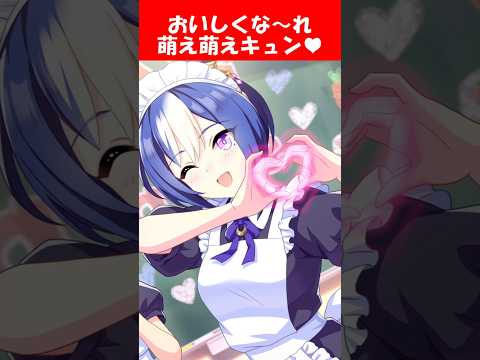
A single illustration of Caesario in maid attire from Uma Musume Pretty Derby’s 2026 Oaks Memorial artwork has sparked significant online discussion. The phenomenon reveals how character design, nostalgic cultural references, and fan psychology intersect in contemporary anime and gaming communities.
What Happened
Uma Musume Pretty Derby released the 2026 Oaks Memorial illustration featuring Caesario dressed in maid attire. The artwork immediately generated substantial engagement across social media platforms and fan communities. The illustration appears to be part of a larger series where multiple character artworks share connected backgrounds, suggesting an interconnected narrative world centered around a maid-themed setting.
Why It Matters
This artwork represents more than a simple costume change. It demonstrates how modern game developers strategically leverage nostalgic cultural elements to create emotional resonance with established player bases while simultaneously attracting new audiences. The maid outfit—a cornerstone of Japanese pop culture since the 2005 maid café boom—carries significant cultural weight for players aged 30-40 who experienced that era firsthand. The illustration’s reception illustrates the complex psychology behind character-costume combinations and how they generate unexpected cultural moments in gaming communities.
Background
The maid café phenomenon emerged in Japan around 2005, coinciding with the broadcast of the drama “Densha Otoko” (Train Man). This period marked a significant shift in otaku culture, bringing previously niche Akihabara aesthetics into mainstream Japanese pop culture. Maid attire became one of the most recognizable symbols of Japanese anime and gaming culture throughout the 2010s.
Caesario, as a character in Uma Musume Pretty Derby, is defined by her wholehearted commitment to everything she undertakes. Her character arc emphasizes sincerity, earnestness, and an unwavering dedication to her goals. These personality traits create a unique synergy with maid attire, which traditionally symbolizes devoted service and complete commitment to customer satisfaction.
Uma Musume Pretty Derby, released in 2021, has rapidly become one of Japan’s most popular mobile games by combining horse racing culture with character-driven storytelling and beautiful artwork. The game’s player base skews toward adults who grew up during the peak of 2000s and 2010s anime and gaming culture.
Key Points
- Character-Costume Synergy: Caesario’s personality—characterized by wholehearted effort—aligns perfectly with the maid outfit’s symbolism of devoted service, creating what fans describe as a “chemical reaction” rather than simple contrast.
- Nostalgic Marketing Strategy: The artwork deliberately appeals to players aged 30-40 who experienced the 2005 maid café boom, creating emotional bridges between past and present gaming experiences.
- Connected Narrative World: Fan observations suggest multiple character illustrations share connected backgrounds, indicating a larger coordinated release strategy that builds anticipation for future artwork reveals.
- Fan Psychology: Community responses reveal players are not simply reacting to “cuteness” but engaging with deeper narratives about character behavior and personality expression through costume.
- Cultural Continuity: The artwork represents a broader trend in anime and gaming industries of re-evaluating and recontextualizing early 2000s aesthetic elements within contemporary frameworks.
- Generational Appeal: The illustration simultaneously attracts longtime players through nostalgia while introducing newer audiences to culturally significant aesthetic traditions.
Timeline
- 2005: Maid café culture emerges as mainstream phenomenon in Japan; “Densha Otoko” airs on television.
- 2005-2015: Maid attire becomes standard element across anime, manga, and gaming media.
- 2020s: Early 2000s aesthetic elements begin experiencing cultural re-evaluation and nostalgic revival.
- 2021: Uma Musume Pretty Derby launches and rapidly gains popularity.
- 2026: Caesario maid outfit illustration released as part of Oaks Memorial artwork series.
Perspectives
Fan Community Interpretation: Players recognize the artwork as more than decorative, viewing it as a natural expression of Caesario’s character. Comments emphasize how the character’s wholehearted nature would manifest in maid service, suggesting fans engage with character psychology rather than surface-level aesthetics.
Developer Intent: The structured release of connected illustrations suggests deliberate world-building. The strategy appears designed to create ongoing anticipation, encourage community speculation about future character reveals, and generate sustained engagement through narrative mystery.
Cultural Analysis: The artwork functions as a bridge between generational gaming experiences, allowing players who experienced the 2005 maid café boom to share cultural touchstones with newer players while introducing younger audiences to historically significant aesthetic traditions.
Marketing Perspective: The illustration represents sophisticated audience targeting, simultaneously appealing to established players through nostalgia while creating entry points for new audiences through culturally significant visual language.
Insights
Caesario’s maid outfit illustration exemplifies how contemporary game development extends beyond simple character customization into deliberate cultural storytelling. The artwork’s resonance demonstrates that fan engagement operates on multiple psychological levels simultaneously—aesthetic appreciation, character psychology, nostalgic memory activation, and narrative anticipation all converge in a single image.
The phenomenon reveals a broader industry trend: the strategic recontextualization of early 2000s aesthetic elements within contemporary gaming frameworks. Rather than treating maid culture as dated, developers recognize its enduring emotional significance for players who experienced its cultural emergence. This approach creates what might be termed “generational bridge marketing”—content that simultaneously honors past cultural moments while remaining relevant to current audiences.
The connected background elements in the illustration series suggest developers understand that modern fan communities engage with artwork as part of larger narrative ecosystems rather than isolated images. This structural approach encourages sustained community participation, speculation, and social sharing—extending engagement far beyond the initial artwork release.
Perhaps most significantly, the Caesario illustration demonstrates that character-costume combinations generate meaning through alignment rather than contrast. The most resonant designs occur when costume symbolism reinforces rather than contradicts character personality, creating coherent narrative expressions that feel authentic to established character identities.
The artwork’s cultural significance ultimately transcends gaming communities, representing a moment where Japanese pop culture demonstrates its capacity to maintain continuity across decades while remaining culturally relevant to successive generations of audiences.