▶ Watch the original YouTube video
How Uma Musume’s ‘Bouquet Punch’ Scenario Became a Turning Point for Character-Driven Gaming
Uma Musume Pretty Derby’s “Bouquet Punch” scenario for the character Karen has sparked widespread player enthusiasm, demonstrating how modern gacha games can seamlessly integrate character psychology with gameplay mechanics. The scenario represents a milestone in character-driven gaming, where narrative depth and mechanical progression become inseparable.
What Happened
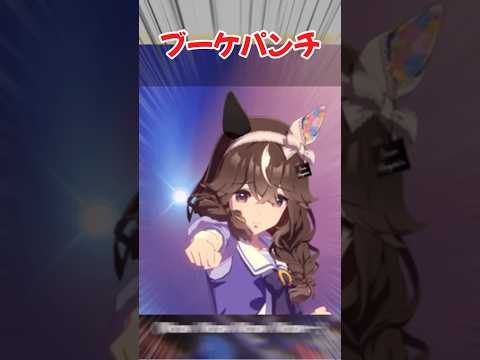
Uma Musume Pretty Derby introduced a new training scenario called “Bouquet Punch” for the character Karen (Kalen Chan). Rather than serving as a simple skill acquisition event, the scenario presents a carefully crafted narrative that explores Karen’s psychological growth and determination. The skill itself—named “Bouquet Punch”—combines floral imagery with combat terminology, reflecting the character’s dual nature of elegance and competitive spirit. The scenario has generated significant discussion across social media platforms, with players praising its narrative depth and emotional impact.
Why It Matters
The “Bouquet Punch” scenario exemplifies a critical evolution in character-driven gaming design. For years, character development and mechanical progression existed as separate elements in most games. This scenario demonstrates that when narrative motivation directly drives gameplay advancement, player engagement reaches unprecedented levels. The overwhelmingly positive reception suggests that players value emotional connection to characters as much as—if not more than—mechanical progression. This has implications for how future gacha games and character-driven titles approach their design philosophy.
Background
Uma Musume Pretty Derby is a mobile game that features personified versions of real racehorses competing in races while developing relationships with players. The game’s core appeal lies in the dual satisfaction of making characters stronger through training while experiencing their individual character stories. Since its 2021 launch, the game has become known for its high-quality scenario writing and character development. The “Bouquet Punch” scenario represents a culmination of the game’s design philosophy, implementing what many consider to be the ideal balance between narrative and gameplay mechanics.
Character-driven games have evolved significantly over the past 15 years. Earlier titles like The Idolmaster: Cinderella Girls (2011) separated character stories from stat progression. More recent games like Persona 5 (2016) integrated character psychology with concrete gameplay actions. Uma Musume’s “Bouquet Punch” builds upon these foundations by making skill acquisition itself a direct expression of character growth.
Key Points
- “Bouquet Punch” functions as both a skill acquisition event and a character development narrative for Karen
- The scenario’s presentation quality and storytelling depth generated substantial player discussion across social media platforms
- Player responses emphasize emotional connection to the character’s psychological journey rather than mechanical benefits alone
- The scenario demonstrates the importance of character-specific narratives within Uma Musume’s training system
- The skill name itself—combining floral and combat imagery—reflects careful attention to character identity in game design
- The scenario’s success suggests a shift in player priorities toward narrative-driven content in gacha games
Comparative Analysis: Character Development Across Games
| Title | Character Growth Expression | Narrative Depth | Player Emotional Impact |
|---|---|---|---|
| The Idolmaster: Cinderella Girls | Status increase focused | Moderate | High |
| Persona 5 | Psychological growth centered | Very High | Very High |
| Uma Musume (Standard Scenarios) | Race performance and psychological growth parallel | High | High |
| Uma Musume “Bouquet Punch” | Skill acquisition and psychological growth fully integrated | Very High | Very High |
The Psychology Behind Player Response
The “Bouquet Punch” scenario succeeds through several psychological mechanisms. First, it presents Karen’s desperation and determination through concrete visual action—the throwing motion of the bouquet punch—rather than abstract narrative description. This direct behavioral expression creates stronger player empathy than dialogue alone could achieve. Second, the skill name itself carries symbolic weight: “Bouquet Punch” simultaneously represents Karen’s association with flowers and her combative determination, making the mechanical progression feel narratively justified.
Player comments across Twitter, Reddit, and YouTube reveal that many experienced genuine emotional responses to the scenario. Statements like “I cried watching this” and “This scenario made the grinding worthwhile” indicate that players recognize the scenario as addressing their fundamental desire in character-driven games: witnessing characters they have invested time in achieve meaningful growth.
Social Media Reception
Twitter responses predominantly praised the scenario’s emotional execution, with users highlighting the connection between Karen’s character arc and the skill acquisition moment. Discussion threads on 5channel (Japan’s largest imageboard) featured comments such as “This is true Uma Musume” and “This scenario justifies spending money on the game,” indicating that players view narrative quality as directly tied to perceived value.
YouTube comments revealed that some players began or continued playing Uma Musume specifically to experience this scenario, demonstrating its power as a narrative hook. Conversely, some players expressed wishes for extended scenario length, which paradoxically underscores the scenario’s success in creating demand for more content of similar quality.
Design Philosophy and Developer Intent
The “Bouquet Punch” scenario likely reflects Uma Musume’s development team understanding that character-driven games succeed when players can empathize with character growth. By making skill acquisition an expression of Karen’s psychological journey rather than a mechanical reward disconnected from narrative, the developers created a unified experience. This approach aligns with modern game design trends emphasizing narrative integration across all game systems.
The scenario’s implementation suggests the developers recognize that player satisfaction in character-driven games depends on perceiving character development as authentic and meaningful. When mechanical progression (skill acquisition) directly reflects narrative progression (character growth), players experience maximum engagement.
Broader Industry Implications
The “Bouquet Punch” scenario’s success carries significance beyond Uma Musume. It demonstrates that players in gacha and character-driven games prioritize narrative quality and character-system integration. This may influence how other developers approach character-focused titles. Games like Idolmaster Shiny Colors and Granblue Fantasy have similarly attempted narrative-mechanical integration, but “Bouquet Punch” represents a particularly successful execution.
The scenario also raises questions about resource allocation in game development. If narrative-mechanical integration drives player satisfaction more effectively than pure mechanical complexity, developers may reconsider their design priorities. The scenario’s reception suggests that quality character writing and thoughtful system design integration may generate more player loyalty than incremental mechanical additions.
Insights
The “Bouquet Punch” scenario represents a maturation of character-driven game design. It proves that games can achieve simultaneous excellence in narrative depth and mechanical progression when both systems serve the same emotional purpose. Rather than treating story and gameplay as separate concerns, the scenario demonstrates how they can become inseparable.
The enthusiastic player response indicates a shift in what players value in gacha and character-driven games. The scenario’s success suggests that players increasingly seek meaningful emotional experiences tied to character development rather than pursuing mechanical advantages alone. This has profound implications for how the industry approaches game design philosophy.
Furthermore, the scenario illustrates the importance of attention to detail in character design. The skill name “Bouquet Punch” succeeds because it reflects Karen’s character identity comprehensively. This suggests that successful character-driven games require developers to maintain deep understanding of each character’s essence and express that essence through every available design element—narrative, mechanics, visual presentation, and even naming conventions.
The “Bouquet Punch” scenario stands as a milestone demonstrating that character-driven games can achieve artistic and emotional depth comparable to narrative-focused media while maintaining engaging gameplay systems. As the industry evolves, this scenario may serve as a reference point for how character-driven games can balance narrative and mechanical excellence.