▶ Watch the original YouTube video
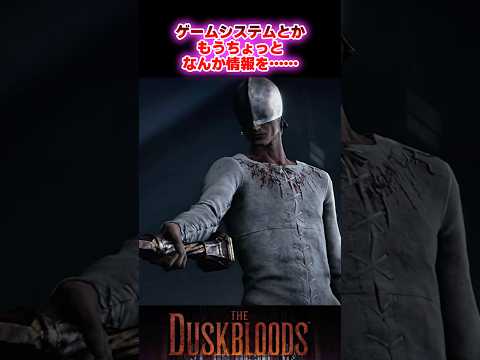
FromSoftware has announced a mysterious new title called The Duskbloods, and the gaming community is buzzing with speculation and anticipation. Based on fan reactions and 15 years of FromSoftware observation, this article explores what the cryptic announcement means for the studio’s future and the broader gaming industry.
- What Happened
- Why It Matters
- Background
- Key Points
- Information Strategy: FromSoftware’s Calculated Approach
- Thematic Analysis: “Dusk” and FromSoftware’s Design Language
- Comparative Analysis: FromSoftware’s Marketing Evolution
- Industry Context: Information Control in the Streaming Era
- Community Psychology: Three Dominant Response Patterns
- Design Philosophy: Discovery as Core Experience
- Practical Guidance for Fans
- Fan Reactions: Diverse Perspectives
- Projected Timeline and Future Developments
- Insights and Implications
What Happened
FromSoftware has revealed a new game titled The Duskbloods, with a planned network test on the horizon. However, the studio has released minimal information about the game’s systems, mechanics, or narrative context. The announcement has sparked intense discussion across gaming communities, with fans debating everything from the game’s connection to Bloodborne to its multiplayer features. The limited information strategy mirrors the approach FromSoftware took with Bloodborne‘s original announcement, creating a wave of speculation and community-driven analysis.
Why It Matters
FromSoftware’s information management strategy reveals broader trends in how major game studios market high-profile releases. The deliberate withholding of details about The Duskbloods demonstrates a calculated approach to building anticipation in an era where streaming culture and social media make information control increasingly difficult. This approach also reflects the studio’s design philosophy: allowing players to discover and uncover mysteries themselves rather than providing comprehensive pre-release information. For the gaming industry, this signals how established studios with strong reputations can maintain consumer interest through scarcity and mystery rather than traditional marketing saturation.
Background
FromSoftware has a well-documented history of information secrecy surrounding major releases. Director Hidetaka Miyazaki has consistently prioritized keeping details hidden to preserve the player experience of discovery. This strategy began with Dark Souls in 2011 and continued through Bloodborne (2015), Dark Souls III (2016), and most recently Elden Ring (2022). However, the studio’s approach has evolved over time. While early releases like Bloodborne maintained near-total secrecy for months, Elden Ring saw more staged information releases, including multiple gameplay videos and detailed system explanations before launch.
The announcement of The Duskbloods represents a return to the stricter information control model, suggesting FromSoftware views this title with similar significance to Bloodborne. The inclusion of a network test—a feature not present in previous FromSoftware launches—indicates a new approach to community engagement and feedback gathering.
Key Points
- The Duskbloods is FromSoftware’s new game with a planned network test, but minimal system details have been disclosed
- Fan communities are actively speculating about gameplay mechanics, narrative context, and potential connections to previous FromSoftware titles
- The information scarcity strategy mirrors Bloodborne‘s announcement approach, suggesting comparable expectations for quality and impact
- Community discussion reveals three dominant fan responses: anticipation mixed with anxiety, active community theorizing, and high trust in FromSoftware’s track record
- The game’s title and cryptic presentation have sparked debate about thematic connections to Bloodborne and the meaning of “Dusk” as a conceptual framework
- FromSoftware’s marketing approach reflects industry-wide shifts in how studios balance information control with streaming culture and social media dynamics
Information Strategy: FromSoftware’s Calculated Approach
The most striking aspect of fan reactions to The Duskbloods announcement is the consistent demand for more information about game systems. FromSoftware’s response—or rather, lack thereof—demonstrates a deliberate strategy to maximize anticipation through information scarcity.
This approach has historical precedent. When Dark Souls III was announced in 2015, the gap between announcement and gameplay footage release saw fans conduct extensive speculation and analysis. The information vacuum created space for community-driven discussion that sustained interest for months. Similarly, Bloodborne‘s six-month information blackout generated unprecedented community engagement, with fan theories and speculation videos numbering in the hundreds.
The network test announcement for The Duskbloods represents a strategic evolution. By limiting access to a select group of testers, FromSoftware creates an information hierarchy within the community. Those with test access become primary sources, while others engage in secondary analysis and speculation. This dynamic maintains community engagement while preserving the broader player base’s sense of discovery at launch.
Thematic Analysis: “Dusk” and FromSoftware’s Design Language
The title The Duskbloods warrants careful examination. The word “Dusk” introduces a temporal and atmospheric concept distinct from Bloodborne‘s focus on blood as a life force. Where Bloodborne explored the essence of life through blood, The Duskbloods may examine themes of twilight, endings, and transition. This thematic shift, if accurate, would represent a meaningful evolution in FromSoftware’s narrative and design philosophy.
Fan speculation about multiplayer elements—including references to “Nightrain” and “Lightrain” mechanics—suggests community members are attempting to reconstruct game systems from minimal clues. FromSoftware’s multiplayer implementations have historically generated both praise and controversy. Dark Souls II‘s PvP balance issues remain contentious in community discussions, while Elden Ring‘s multiplayer features created ongoing debate between PvP and cooperative players regarding design priorities.
Comparative Analysis: FromSoftware’s Marketing Evolution
| Title | Announcement to Release | Information Stages | Network Test | Community Anticipation Level |
|---|---|---|---|---|
| Bloodborne | ~12 months | 4 stages | None | Extremely High |
| Dark Souls III | ~14 months | 5 stages | None | High |
| Elden Ring | ~16 months | 6 stages | None | High |
| The Duskbloods (projected) | 16+ months | 5+ stages | Yes | Extremely High |
This comparison reveals that The Duskbloods mirrors Bloodborne‘s information control strategy more closely than Elden Ring‘s approach. This alignment suggests FromSoftware views The Duskbloods with comparable significance and confidence to Bloodborne, one of the studio’s most critically acclaimed titles.
Industry Context: Information Control in the Streaming Era
FromSoftware’s information strategy must be understood within broader industry trends. In the 2010s, information secrecy was standard practice across the gaming industry. However, the rise of streaming platforms, social media, and content creator culture has fundamentally altered how information spreads. Complete information control is no longer feasible—details leak, streamers discover mechanics, and communities rapidly disseminate findings.
FromSoftware’s approach to The Duskbloods acknowledges this reality while maintaining strategic control. Rather than fighting information spread, the studio manages its pace and framing. The network test serves as a controlled leak mechanism, allowing selected information to circulate while preserving core mysteries.
This contrasts with other major publishers’ approaches. Bandai Namco released detailed system information for Tekken 8 early in its announcement cycle, prioritizing clarity and accessibility. Capcom’s Street Fighter 6 employed staged information releases. FromSoftware’s approach sits at the extreme end of information restriction, suggesting confidence in brand loyalty and community patience.
Community Psychology: Three Dominant Response Patterns
Anticipation Mixed with Anxiety: Fan comments requesting more system information reflect simultaneous excitement and uncertainty. This psychological state—wanting to know more while accepting limited information—drives sustained engagement. Players repeatedly check for updates, participate in speculation, and maintain active interest over extended periods.
Community-Driven Theorizing: The emergence of fan-created terminology like “Nightrain” and “Lightrain” demonstrates how information scarcity prompts creative community participation. When official information is limited, players construct their own frameworks for understanding the game. This self-directed analysis creates investment in the community’s collective knowledge.
Trust in FromSoftware’s Track Record: Comments expressing confidence in FromSoftware’s quality reflect the studio’s consistent delivery of acclaimed titles. This trust is rare in gaming communities and represents significant brand equity. Players are willing to accept information scarcity because past experiences justify confidence in the final product.
Design Philosophy: Discovery as Core Experience
FromSoftware’s information control strategy reflects a fundamental design philosophy: player discovery should be central to the experience. Director Hidetaka Miyazaki has consistently emphasized the importance of allowing players to uncover mysteries themselves rather than having them explained pre-release.
This philosophy extends beyond marketing into core game design. FromSoftware titles deliberately present fragmented narratives, obscured mechanics, and environmental storytelling that rewards exploration. Pre-release information that explains these elements would undermine the intended experience. The information scarcity is not merely marketing—it’s an extension of the game’s design principles.
This approach has proven effective. Dark Souls and Bloodborne generated extensive post-launch community analysis as players collectively pieced together narrative and mechanical understanding. The sense of shared discovery strengthened community bonds and extended engagement far beyond the initial play period.
Practical Guidance for Fans
Participate in Network Testing: If access is available, network test participation provides valuable insight into development priorities and design decisions. Testing phases reveal which mechanics receive focus and how developer feedback shapes iteration.
Revisit Previous FromSoftware Titles: Playing Bloodborne and Dark Souls series games before The Duskbloods launch will deepen contextual understanding. Thematic and mechanical connections often span FromSoftware’s catalog, and familiarity with previous work enriches new game comprehension.
Engage with Community Discussion: Platforms like Reddit’s r/fromsoftware and specialized gaming forums host substantive analysis. Participating in community discussion provides diverse perspectives and collective knowledge that individual players might miss.
Limit Information Seeking: While community engagement is valuable, excessive information pursuit risks undermining the discovery experience FromSoftware intentionally designed. Balancing curiosity with restraint preserves the intended gameplay experience.
Fan Reactions: Diverse Perspectives
Positive Reception: “FromSoftware has earned our trust” represents the dominant positive sentiment. This reflects the studio’s consistent track record of quality and innovation. Unconditional confidence in the studio is rare in gaming communities and demonstrates significant brand loyalty.
Critical Concerns: “Information is too limited” and “Game systems need explanation” express legitimate frustration with information scarcity. These critiques are healthy—they represent engaged players seeking clarity and demonstrate that information control has limits before audience frustration increases.
Speculative Analysis: Questions about Bloodborne connections and thematic relationships show fans actively constructing meaning from limited information. This speculative engagement sustains community activity and creates investment in collective understanding.
Projected Timeline and Future Developments
Based on FromSoftware’s historical patterns and current information strategy, the following timeline is probable:
- Months 1-3: Detailed system information and gameplay mechanics gradually disclosed
- Months 3-6: Network test conducted with selected participants; test feedback circulates through community channels
- Months 9-12: Official gameplay videos released; narrative context and world-building information disclosed
- Final weeks before launch: Comprehensive system guides and feature explanations published
Insights and Implications
The Duskbloods announcement demonstrates that information scarcity remains a viable marketing strategy for studios with established reputations and loyal communities. In an era of information saturation and content creator culture, FromSoftware’s deliberate mystery creates differentiation and sustained engagement.
The strategy also reflects evolving player expectations. Modern gaming audiences increasingly value discovery and surprise over comprehensive pre-release information. FromSoftware’s approach aligns with this shift, suggesting broader industry movement toward mystery-based marketing for premium titles.
The inclusion of a network test represents meaningful evolution in FromSoftware’s community engagement. Rather than maintaining complete secrecy until launch, the studio creates structured opportunities for community participation and feedback. This balances information control with community involvement.
Finally, The Duskbloods signals FromSoftware’s continued commitment to design innovation. The studio’s willingness to invest heavily in information control and community management suggests confidence in presenting genuinely new gameplay concepts and narrative approaches. For the gaming industry, this represents a challenge to conventional marketing wisdom and a validation of player appetite for mystery and discovery.