▶ Watch the original YouTube video
Evaluating Naruto’s Anime-Original Brother Arc: Why Filler Episodes Matter More Than You Think
After 15 years of following Naruto, a veteran anime viewer breaks down why the series’ anime-original Brother Arc—despite its flaws—represents a successful approach to supplementing source material. Rather than pure filler, these episodes offer character depth and world-building that the manga couldn’t fully explore.
- What Happened
- Why It Matters
- Background
- Key Points
- Comparative Analysis: Naruto vs. Other Long-Running Series
- Production Insights: Intent and Strategy
- Character Development: The Arc’s Greatest Strength
- Animation Quality and Production Realities
- Viewer Perspectives and Fan Reception
- Practical Viewing Recommendations
- Insights and Industry Implications
- Final Assessment
What Happened
The Naruto anime series incorporated significant original content throughout its run, particularly in what fans call the “Brother Arc.” These anime-original episodes—including the Three-Part Exams arc, the Six-Tailed Beast arc, and the Infinite Tsukuyomi arc—were created to bridge gaps between the manga’s publication schedule and the anime’s broadcast timeline. Rather than serving as simple padding, many of these episodes expanded character backstories and explored themes that the original manga only touched upon briefly.
Why It Matters
The question of how to handle anime-original content in long-running series remains one of the industry’s most challenging problems. Naruto’s approach—prioritizing character development and world-building over pure filler—offers a blueprint for how studios can maintain fan engagement during production delays. Understanding what worked and what didn’t in these episodes provides valuable lessons for current and future anime adaptations, especially as the industry faces similar scheduling pressures with ongoing series.
Background
Long-running anime adaptations face an inherent structural problem: manga chapters release on a weekly or monthly schedule, while anime episodes air weekly. To prevent the anime from catching up to the manga, studios must create original content. This practice is common across major series like One Piece and Dragon Ball, but the quality and reception of these additions varies dramatically.
Naruto’s anime-original content spans multiple arcs across both Part One and Part Two. The Three-Part Exams arc in early Part One introduced viewers to expanded character backgrounds. The Six-Tailed Beast arc in Part Two explored the moral complexity of the ninja world. The Infinite Tsukuyomi arc, which extended well beyond the manga’s conclusion, attempted to provide closure through original storytelling.
The reception of these arcs has been mixed among fans. Some praise specific episodes for their character work, while others criticize the pacing and occasional contradictions with established canon.
Key Points
- Character Depth Over Filler: The most successful anime-original episodes—such as those in the Three-Part Exams and Six-Tailed Beast arcs—focused on expanding minor characters’ backgrounds and motivations rather than creating entirely new plots.
- Pacing Problems in Later Arcs: The Infinite Tsukuyomi arc, while containing memorable moments, suffered from excessive length and occasionally contradicted established manga canon, leading many viewers to recommend skipping portions of it.
- Animation Quality Variation: Key emotional moments and battle sequences received high-quality animation, while daily-life scenes often showed lower production values—a reflection of realistic budget constraints in anime production.
- Memorable Standalone Moments: Episodes like Itachi’s tamagoyaki (fried egg) scene and the expanded backstory of character Abe demonstrated how anime-original content could add emotional resonance to character relationships without contradicting the source material.
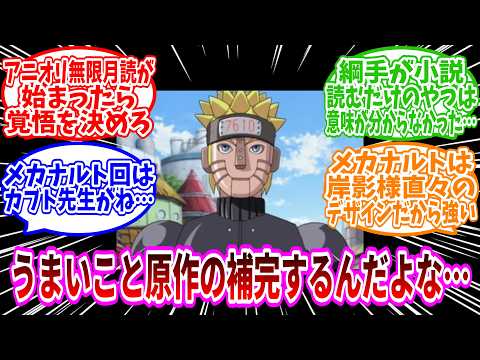
- Cross-Media Continuity: Some original characters, like Mecha-Naruto, originated in the Naruto Ultimate video game series, suggesting the anime production team coordinated with other media to maintain broader franchise consistency.
- Fan Reception Patterns: Positive responses typically centered on character development, while criticism focused on pacing, contradictions with canon, and the extended post-manga conclusion.
Comparative Analysis: Naruto vs. Other Long-Running Series
When compared to anime-original content in other major series, Naruto’s approach stands out as relatively successful. One Piece’s anime-original arcs, particularly around the Marineford War, are widely criticized for excessive padding and narrative disruption. Dragon Ball’s filler content relied heavily on repetitive animation techniques rather than substantive storytelling.
Naruto’s anime team, by contrast, demonstrated a clear commitment to supplementing rather than replacing the source material. This distinction—between “filler” and “supplementary content”—appears to be the key factor in fan acceptance.
| Series | Anime-Original Quality | Character Development | Fan Reception | Canon Contradictions |
|---|---|---|---|---|
| Naruto | Medium to High | Excellent | Mixed | Moderate |
| One Piece | Low | Insufficient | Negative | High |
| Dragon Ball | Low to Medium | Standard | Mixed | Moderate |
Production Insights: Intent and Strategy
The Naruto anime production team’s strategy appears to have been rooted in understanding fan demand. Rather than simply buying time until new manga chapters arrived, the team identified gaps in character development and narrative depth that the manga’s serialization format couldn’t fully address.
Three factors contributed to this approach’s relative success:
Understanding Fan Needs: The production team recognized that manga readers wanted deeper exploration of secondary characters and thematic elements. Episodes like those in the Shin arc provided backstory for characters who received minimal page time in the original work.
Visual Storytelling: Anime’s animated format allowed the team to convey information through movement and sound design that static manga panels couldn’t match. Complex jutsu techniques and emotional character moments gained impact through animation.
Canon Respect: By positioning anime-original content as supplementary rather than contradictory, the production team maintained goodwill with source material fans. This approach minimized the sense that the anime was “replacing” the manga.
However, this strategy faltered during the Infinite Tsukuyomi arc. As the anime extended beyond the manga’s conclusion, the production team shifted from supplementation to original creation. This shift introduced characters like Mecha-Naruto and scenarios that significantly departed from established canon, dividing fan opinion.
Character Development: The Arc’s Greatest Strength
The most consistently praised aspect of Naruto’s anime-original content is its character work. Secondary characters who received minimal development in the manga gained substantial screen time and emotional depth in anime-original episodes.
The Itachi tamagoyaki episode exemplifies this approach. On the surface, the scene of Itachi preparing fried eggs for Sasuke appears comedic. However, it serves as a visual metaphor for the brothers’ relationship—a simple, repeated act of care that defines their bond. This type of character-focused storytelling represents anime-original content at its best.
Similarly, the expanded backstory of character Abe transformed a minor manga character into a fully realized person with motivations and emotional stakes. The anime provided context for his actions and relationships that enriched the overall narrative.
Animation Quality and Production Realities
A notable pattern emerges when examining Naruto’s animation throughout the anime-original arcs: key emotional and action sequences receive high-quality animation, while transitional and daily-life scenes often show reduced production values. This reflects real-world constraints in anime production—limited budgets and tight schedules force studios to prioritize certain scenes.
However, this prioritization itself reveals production intent. The fact that character development moments and important battles consistently received top-tier animation suggests the production team identified these scenes as narratively crucial. This strategic allocation of resources demonstrates professional decision-making rather than negligent filler production.
Color design variations across episodes, caused by different animation teams, add visual diversity to the series. While this might seem inconsistent, it actually indicates the production team deployed multiple skilled animators—a sign of investment in quality.
Viewer Perspectives and Fan Reception
Online fan discussions reveal consistent patterns in how viewers evaluate Naruto’s anime-original content. Positive responses typically highlight specific episodes: “The Shin arc was excellent,” “Abe’s backstory was well done,” and “The Itachi tamagoyaki episode is a masterpiece.” These comments share a common theme—appreciation for character depth that the manga didn’t provide.
Critical responses focus on different issues: “The Infinite Tsukuyomi arc is too long,” “Mecha-Naruto makes no sense,” and “The anime contradicts the manga’s established rules.” These criticisms point to legitimate concerns about pacing and canon consistency, particularly in later arcs.
An interesting observation emerges from comments noting that “the anime continued after the manga ended.” This reflects viewer frustration with extended post-conclusion content that lacked the manga’s narrative anchor. Without source material to supplement, the production team’s strategy of character development became less effective.
Practical Viewing Recommendations
For First-Time Viewers: Watch all anime-original content through the middle of Part Two. The production team’s supplementary approach is most effective during this period, and character understanding deepens significantly. The Three-Part Exams and Six-Tailed Beast arcs are essential viewing.
For the Infinite Tsukuyomi Arc: This section can be partially skipped without losing essential plot points. However, specific episodes merit viewing: the Itachi tamagoyaki episode, Abe’s backstory sequences, and the final portions of the Shin arc.
Cross-Media Engagement: Playing games in the Naruto Ultimate series provides context for original characters like Mecha-Naruto. This background knowledge changes how viewers interpret anime-original content and reveals the production team’s broader creative vision.
Comparative Reading: After watching key anime-original episodes, reading the corresponding manga sections reveals how the anime supplemented the source material. This comparison deepens appreciation for both versions.
Insights and Industry Implications
Naruto’s anime-original Brother Arc demonstrates that filler content need not be viewed as a necessary evil. When production teams approach supplementary material with clear intent—expanding character depth, exploring thematic elements, and respecting source canon—audiences respond positively despite imperfections.
The key distinction lies in production philosophy. Naruto’s team treated anime-original episodes as opportunities to enhance the source material rather than as time-filling obligations. This mindset shaped every creative decision, from which characters received development to how scenes were animated.
The arc’s later struggles, particularly during the Infinite Tsukuyomi section, illustrate the limits of this approach. Once the anime extended beyond the manga’s conclusion, the supplementary strategy lost its anchor. Original creation, without source material to build upon, proved less effective at maintaining fan engagement.
For the anime industry moving forward, Naruto’s experience suggests that long-running adaptations benefit from treating anime-original content as narrative enhancement rather than schedule padding. Studios that invest in character development and thematic exploration—while maintaining respect for source material—build stronger fan loyalty than those that prioritize pure filler.
The rise of cross-media franchises, where games, manga, and anime share continuity, may reshape how anime-original content functions. Mecha-Naruto’s origins in the video game series suggest future anime may increasingly draw from expanded universe material, creating a more integrated approach to supplementary content.
Final Assessment
After 15 years of engagement with Naruto and extensive viewing of comparable anime, the Brother Arc represents a successful, if imperfect, approach to a persistent industry challenge. The arc is not a masterpiece, but it is a necessary and valuable addition to the Naruto narrative.
The Shin arc’s character work stands among the highest-quality supplementary content in anime history. Episodes that expanded minor characters’ psychological depth and explored moral complexity of the ninja world justified their existence beyond mere schedule management.
However, the Infinite Tsukuyomi arc’s extended run and occasional canon contradictions reveal the limits of even well-intentioned filler. When anime-original content loses its connection to source material, the production team’s supplementary strategy becomes less effective.
The ultimate lesson from Naruto’s anime-original content is straightforward: production intent determines fan reception. When studios demonstrate respect for source material while expanding upon it, audiences accept and even celebrate supplementary episodes. This principle should guide anime production strategies for years to come.