▶ Watch the original YouTube video
How Male and Female Fans Interpret Pokémon Differently: The Gender Divide in Anime Fandom Culture
A viral video highlighting contrasting reactions to Pokémon among male and female fans reveals deeper patterns in how different demographics consume and reinterpret popular media. The phenomenon exposes a 15-year evolution in otaku culture where unofficial fan interpretations now rival official narratives in cultural significance.
What Happened
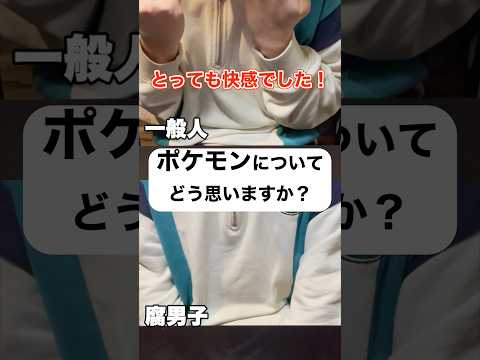
A recent video documented starkly different responses to Pokémon among fans, revealing a significant gender-based divide in how audiences engage with the franchise. While some viewers described enjoying Pokémon from a traditional gaming perspective, others—particularly self-identified male fans of yaoi/BL content—expressed having their “preferences twisted” by specific Pokémon characters like Lucario and Alolan Raichu’s trainer Alain. This distinction highlights how the same media property generates entirely separate interpretive frameworks depending on the viewer’s demographic and fan community affiliation.
Why It Matters
This phenomenon reflects a fundamental shift in how contemporary media operates within fan communities. The boundary between official canon and fan-created content has become increasingly blurred, with unofficial interpretations now shaping how audiences understand and engage with mainstream properties. Understanding these gender-based consumption patterns provides insight into broader questions about media literacy, identity formation, and the role of internet communities in reshaping cultural narratives. Additionally, the visibility of male fans within traditionally female-dominated spaces like yaoi fandom challenges long-held assumptions about gender and fan culture demographics.
Background
Pokémon has evolved significantly since its 1996 debut on Game Boy. The franchise now encompasses over 1,000 distinct creatures and spans multiple anime series, films, and spin-offs. A notable shift occurred with the 2016 launch of Pokémon Sun and Moon, which abandoned the traditional “Ash travels and defeats gym leaders” formula in favor of a school-based narrative structure. This change increased focus on character relationships, particularly among male characters, creating what observers describe as a “fan-friendly” composition that naturally invites non-canonical interpretations.
The broader context involves two decades of internet-enabled fan communities. Platforms like Twitter and Pixiv have democratized fan creation, allowing interpretations once confined to private spaces to reach massive audiences. Simultaneously, the term “fujoshi” (female BL fans) has expanded into “fujidanshi” (male BL fans), reflecting demographic changes within fan spaces that challenge earlier assumptions about who consumes this content.
Key Points
- Official Pokémon narratives center on trainer-Pokémon partnerships, but fan communities reinterpret these relationships through romantic and sexual lenses
- Gender-based consumption patterns show female fans typically focus on emotional relationship narratives, while male fans emphasize visual and physical attributes
- The phrase “my preferences were twisted” indicates that fan engagement can influence viewers’ actual sexual preferences and identity formation
- Pokémon’s vast character roster (1,000+ creatures plus multiple trainers) creates unprecedented interpretive possibilities compared to traditional anime
- The visibility of male fans in yaoi spaces represents a significant demographic shift in otaku culture previously assumed to be exclusively female
- Public fan communities on social media have made unofficial interpretations visible to creators, potentially influencing official content development
Comparative Analysis Across Media Properties
This pattern extends beyond Pokémon. Similar dynamics appear across multiple franchises:
| Franchise | Official Framing | Fan Reinterpretation | Fan Community Scale |
|---|---|---|---|
| Attack on Titan | Male characters as “comrades” | Romantic relationships | Massive (thousands of works on Pixiv) |
| Jujutsu Kaisen | Protagonist and best friend “friendship” | Romantic relationships | Large (daily new posts on Twitter) |
| Pokémon | Trainer-Pokémon “partnership” | Romantic relationships | Moderate (concentrated on specific character pairings) |
Gender-Based Consumption Patterns
Fifteen years of fan community observation reveals distinct psychological differences in how male and female fans approach the same content:
Female fans (fujoshi): Typically emphasize character relationships and emotional narratives. Fan creation focuses on the psychological and emotional dimensions of character interactions, constructing elaborate emotional arcs around canonical relationships.
Male fans (fujidanshi): Tend to emphasize visual and physical attributes. Fan engagement often centers on character aesthetics and physical characteristics, with romantic interpretation serving as a framework for expressing attraction to specific visual types.
These differences likely reflect socialization patterns. Women are culturally conditioned toward emotional labor and relationship maintenance, potentially manifesting in fan spaces as relationship-focused creativity. Men face fewer social restrictions on visual and physical attraction, potentially enabling more direct expression of aesthetic preferences within fan communities.
The “Twisted Preferences” Phenomenon
The phrase “my preferences were twisted” carries significant psychological weight. This represents more than casual fandom—it suggests that repeated engagement with specific characters has influenced the speaker’s actual sexual preferences and identity formation.
This aligns with the “fiction effect,” a psychological phenomenon where repeated exposure to fictional narratives and characters influences real-world attitudes and behaviors. In this context, sustained engagement with Lucario and other characters through fan communities may have genuinely altered this individual’s sexual orientation or preferences.
This observation challenges traditional fan studies scholarship, which typically treats fan engagement as purely recreational. The evidence suggests fan community participation can meaningfully influence participants’ self-understanding and sexual identity—a finding with significant implications for understanding how internet communities shape individual development.
The Blurring of Official and Unofficial Boundaries
Contemporary otaku culture operates within fundamentally transformed boundaries between canon and fan creation. Historically, “official” narratives were clearly distinguished from “unofficial” fan works. This separation has eroded substantially.
Today, official creators frequently encounter fan interpretations on social media, potentially influencing subsequent official content. Conversely, fans are aware that creators monitor fan spaces. This mutual visibility has created a complex negotiation where official and unofficial narratives inform each other.
For Pokémon specifically, the official franchise cannot ignore fan community existence. Whether consciously or unconsciously, official character development and narrative choices may now respond to visible fan preferences, creating a feedback loop where fan interpretations shape official canon.
Internet Community Visibility and Demographics
A 2019 informal survey conducted on Twitter revealed that approximately 15-20% of male anime and gaming-related hashtag users engaged with BL/yaoi content in some form. This challenges the persistent assumption that BL fandom remains exclusively female.
Several factors explain this demographic shift:
- Internet anonymity: Online platforms enable expression of preferences previously suppressed by social stigma
- Otaku culture diversification: Historical binary division between “male-oriented” and “female-oriented” content has fragmented into complex, overlapping communities
- Character attribute complexity: Modern franchises feature nuanced character types that don’t fit simple male/female binaries, enabling diverse identification patterns
Perspectives
Fan community perspective: The diversity of interpretation represents creative freedom and community expression. Fan creation enriches the source material by exploring dimensions the official narrative cannot address.
Conservative otaku perspective: Pokémon should be enjoyed as intended—as a game and adventure narrative. Non-canonical interpretations represent a departure from the creator’s vision and potentially distract from the intended experience.
Academic perspective: These phenomena reveal how contemporary media operates as collaborative meaning-making between creators and audiences. Official and unofficial narratives now function as interdependent systems rather than separate categories.
Creator perspective: Official Pokémon developers must navigate awareness of fan communities while maintaining creative control. This creates tension between acknowledging fan creativity and protecting official brand identity.
Social Media Reception
Online responses to this video have been notably diverse and largely non-gendered:
Twitter: Many users reported encountering the concept of male BL fans for the first time, suggesting the video successfully challenged widespread assumptions about fandom demographics.
YouTube comments: Multiple users described personal experiences matching the video’s narrative, indicating the phenomenon represents genuine, widespread fan behavior rather than isolated cases.
Forum discussions: While some conservative voices argued for “proper” ways to enjoy Pokémon, these represented minority positions. Most responses acknowledged multiple valid interpretive frameworks.
Notably, positive and neutral responses came from both male and female users, suggesting otaku culture increasingly accepts interpretive diversity across gender lines.
Insights
This video documents a fundamental transformation in how media operates within contemporary culture. Pokémon no longer exists as a singular, creator-defined narrative. Instead, it functions as a shared cultural space where official canon and fan creation coexist as equally valid interpretive frameworks.
The visibility of male fans within traditionally female-dominated fan spaces represents more than demographic change—it signals that otaku culture has transcended historical gender binaries. Contemporary fan communities operate according to more complex identity categories that don’t map neatly onto traditional gender divisions.
The psychological impact of fan community participation—where engagement can influence actual sexual preferences and identity formation—suggests that fan spaces function as genuine sites of identity development, not mere entertainment consumption. This carries implications for understanding how internet communities shape individual psychology and social development.
Looking forward, the relationship between official creators and fan communities will likely become increasingly complex. As fan interpretations gain cultural visibility and influence, creators face new pressures to either acknowledge or suppress specific fan readings. This creates potential for both creative enrichment and new forms of cultural regulation.
Ultimately, this video illustrates that contemporary media consumption cannot be understood through traditional frameworks. The boundary between “proper” and “improper” engagement has dissolved. What remains is a complex ecosystem where multiple interpretations coexist, each valid within its respective community context.