▶ Watch the original YouTube video
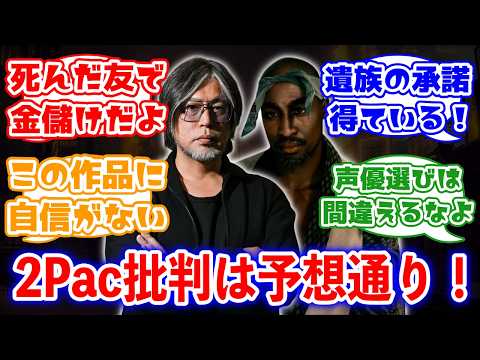
Ryu Ga Gotoku Studio’s decision to feature the late rapper 2Pac in the upcoming game Stranger Than Heaven has ignited a contentious debate about celebrity casting, digital representation of deceased figures, and industry ethics. While producer Masayoshi Yokoyama confirmed that the 2Pac estate granted permission for the casting, online reactions reveal deep divisions over whether family consent alone justifies such creative choices.
What Happened
Ryu Ga Gotoku Studio announced that 2Pac (Tupac Shakur), the legendary rapper who died in 1996, will appear in Stranger Than Heaven, a prequel to the Like a Dragon franchise. Producer Masayoshi Yokoyama stated that the studio obtained explicit approval from 2Pac’s estate and the rights management organization before proceeding with the casting. The character will be portrayed by a live actor rather than AI-generated imagery, and the game will incorporate music elements tied to the rapper’s legacy.
Why It Matters
This decision raises fundamental questions about the gaming industry’s ethical standards for featuring real-world figures, particularly deceased individuals. The controversy extends beyond simple approval mechanics—it challenges whether family consent is sufficient justification for digitally resurrecting a cultural icon, and whether such casting serves the narrative or primarily functions as marketing. As the gaming industry increasingly pursues celebrity partnerships, establishing clear ethical frameworks has become essential.
Background
The Like a Dragon series has a history of featuring real-world personalities. Producer Yokoyama cited the casting of veteran actor Bunta Sugawara in previous titles as a precedent, noting that similar criticism arose then. The franchise is known for blending Japanese storytelling with global cultural references. Stranger Than Heaven serves as a prequel depicting the founding of the Tojo Clan, positioning 2Pac’s appearance within a specific narrative context involving music and cultural elements.
Key Points
- Estate Approval Confirmed: Producer Yokoyama explicitly stated that 2Pac’s family and estate management granted permission before the casting decision was finalized.
- No AI Used: The character will be performed by a live actor, not generated through artificial intelligence, addressing concerns about digital resurrection technology.
- Narrative Integration: The studio claims music elements and 2Pac’s presence are integral to the game’s story, not arbitrary additions.
- Precedent Referenced: Yokoyama pointed to previous casting of real-world figures as evidence that criticism was anticipated and expected.
- Online Backlash: Despite estate approval, significant portions of the gaming community question the creative necessity and ethical implications of the decision.
- Snoop Dogg Connection: Critics note that Snoop Dogg’s involvement in facilitating the casting raises additional concerns about commercial exploitation of 2Pac’s legacy.
Perspectives
Support for the Decision: Many commenters argue that family consent resolves the ethical question entirely. One YouTube commenter stated: “If his family thinks it’s okay, then I’ll keep quiet about it.” Others emphasized that using a live actor rather than AI demonstrates respect for the deceased figure and his legacy.
Cautious Skepticism: A second group acknowledges the estate’s approval but remains uncomfortable with the concept. Comments included: “Even with consent, this remains a gray area. I don’t think it should happen” and “Digital resurrection still feels strange and sacred to me.” This perspective separates legal permission from creative appropriateness.
Ethical Criticism: The third perspective challenges the entire arrangement, particularly Snoop Dogg’s involvement. Critics argue that Snoop has commercially benefited from 2Pac’s legacy since the rapper’s death, and that his role in facilitating this casting represents continued exploitation rather than genuine tribute. One commenter noted: “This is just Snoop using his dead friend again. And they weren’t even friends when 2Pac died.”
Industry Comparison: Some observers drew parallels to Fortnite’s use of AI-generated James Earl Jones voice work, suggesting the gaming industry applies inconsistent standards to celebrity representation. However, this comparison conflates different scenarios—James Earl Jones voiced Darth Vader, a fictional character, whereas 2Pac is being represented as himself.
Insights
The 2Pac casting controversy reveals a critical gap in gaming industry standards. While family consent provides legal and ethical legitimacy, it does not address the fundamental creative question: whether a particular casting choice serves the narrative or primarily functions as marketing. Producer Yokoyama’s statement that “creating meaningful experiences requires not avoiding criticism” conflates two separate issues—the courage to make bold creative decisions and the responsibility to ensure those decisions are genuinely justified.
The gaming industry has increasingly pursued celebrity partnerships over the past five years, from Call of Duty: Ghosts to Fortnite collaborations. However, this trend has not consistently improved game quality. Many high-profile celebrity castings have diluted storytelling focus rather than enhanced it, suggesting that commercial appeal and creative necessity are often misaligned.
The temporal proximity of 2Pac’s death (1996) distinguishes this case from historical figures like those in Ghost of Tsushima. The 28-year gap creates a unique ethical space where the figure remains culturally resonant and commercially valuable, yet recent enough that questions of exploitation remain relevant. The involvement of Snoop Dogg, who has profited from 2Pac’s legacy, further complicates the narrative of respectful tribute.
For players encountering Stranger Than Heaven, the meaningful question is not whether the casting received approval, but whether 2Pac’s presence meaningfully serves the prequel’s story about the Tojo Clan’s founding. The industry’s path forward requires establishing clearer frameworks that distinguish between ethical permission and creative necessity—ensuring that celebrity casting enhances rather than compromises the core gaming experience.