▶ Watch the original YouTube video
Trigun New Anime Series Evaluation: Explaining the Differences from the Original Manga
The 2023 Trigun anime adaptation takes a notably darker and more serious tone compared to the original manga, shifting from a balance of hardboiled storytelling and unexpected lightness to a consistently grim and melancholic atmosphere. This fundamental tonal shift reflects broader industry trends toward mature, darker anime aimed at aging audiences, raising questions about whether the adaptation preserves the original work’s essential character.
What Happened
A new anime adaptation of Trigun premiered in 2023, departing significantly from both the 1998 original anime series and the source manga. Viewers and longtime fans have noted that the new version presents a substantially darker interpretation of the story, with characters depicted in more desperate psychological states and a world stripped of the original’s characteristic balance between hardship and unexpected warmth. The production appears to have made deliberate creative choices to emphasize despair and complexity over the original manga’s tonal equilibrium.
Why It Matters
The Trigun franchise holds particular significance in anime history as a work that successfully balanced dark, hardboiled storytelling with moments of genuine lightness and humanity. The new adaptation’s tonal shift reflects a larger industry trend toward darker, more psychologically complex narratives aimed at adult audiences. Understanding this shift illuminates how anime adaptations navigate the challenge of translating complex source material while responding to contemporary market demands. For fans and critics, it raises fundamental questions about artistic fidelity versus creative reinterpretation in anime production.
Background
Trigun originated as a manga series known for its sophisticated balance of harsh reality and unexpected warmth. The 1998 anime adaptation became influential in the early era of late-night anime broadcasting, introducing many viewers to more mature storytelling. The original manga continued to develop its themes around Vash’s “Love and Peace” philosophy—an idealistic commitment tested repeatedly by a cruel world. The new 2023 adaptation arrives in a different industry landscape, where streaming services have globalized anime consumption and audiences have aged significantly since the original series aired.
Key Points
- Tonal Shift: The new anime moves from the original’s “hard narrative with scattered moments of brightness” to a consistently dark, high-humidity atmosphere throughout
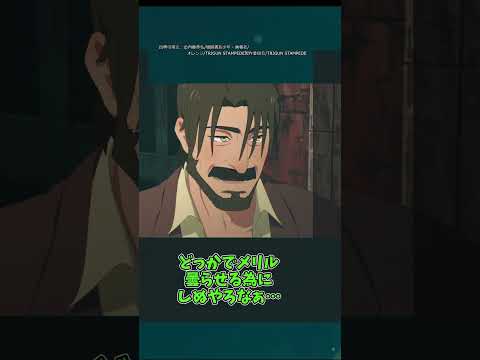
- Character Portrayal Changes: Characters like Badshot are depicted in more psychologically desperate states, stripped of the original’s sense of playfulness and composure
- Supporting Character Treatment: Secondary characters face more tragic circumstances with less opportunity for redemption or warmth
- Thematic Dilution: The “Love and Peace” redemption theme, central to the original, appears diminished in the new version
- Industry Trend Reflection: The adaptation aligns with post-2018 anime industry trends favoring darker, more psychologically complex narratives for mature audiences
- Narrative Independence: The one-cour structure suggests the possibility of a separate story trajectory from the original manga
Timeline
- 1998: Original Trigun anime series airs during the early era of late-night anime broadcasting
- 2000s-2010s: Anime industry gradually shifts toward darker, more complex narratives as viewership ages
- 2013: Attack on Titan Season 1 demonstrates successful balance of hardship and hope
- 2018 onward: Industry trend accelerates toward darker, more psychologically intense anime aimed at adult audiences
- 2023: New Trigun anime adaptation premieres with significantly darker tone and character interpretations
Perspectives
The creative decision to darken Trigun reflects multiple interpretations of the source material. One perspective suggests the production team sought to clarify the original manga’s inherent complexity by emphasizing its darker elements, which can become obscured in the manga’s lengthy serialization. This interpretation views the tonal shift as a deliberate artistic choice to create stronger emotional impact within the constraints of anime production.
Conversely, critics argue that the new adaptation sacrifices the original’s defining characteristic—the contrast between harsh reality and Vash’s unwavering idealism. Without this tonal contrast, the philosophical core of “Love and Peace” loses its power as a counterpoint to despair. This perspective contends that the adaptation, while technically sophisticated, may have fundamentally altered what made Trigun distinctive.
A third viewpoint acknowledges that anime production faces genuine constraints in expressing narrative complexity compared to manga. Within these limitations, choosing to emphasize darkness and psychological depth represents a pragmatic creative decision aligned with contemporary audience expectations and industry standards.
Insights
The Trigun adaptation exemplifies a broader industry phenomenon where anime increasingly prioritizes psychological depth and tonal consistency over tonal variety. This trend correlates with audience aging and the globalization of anime through streaming platforms, which have created market pressure for “mature” content interpreted as darker and more serious.
However, the viewer response—particularly the hope that certain characters survive—suggests audiences still seek moments of redemption and hope within darker narratives. This indicates that the market demand for mature content does not necessarily eliminate the desire for tonal variety or moments of lightness.
The adaptation raises important questions about artistic interpretation: whether an adaptation should faithfully reproduce a work’s tonal characteristics or whether it can legitimately reinterpret them for contemporary audiences. The answer likely depends on whether the reinterpretation enhances or diminishes the original’s thematic core. For Trigun specifically, the central question becomes whether emphasizing darkness strengthens or weakens the impact of Vash’s idealistic commitment to “Love and Peace.”
The new anime version represents not a failure but a different artistic choice—one that may generate value through its distinctiveness, even as it departs from the original’s essential character. The ultimate assessment will depend on how the narrative concludes and whether the darker tone ultimately serves or undermines the story’s philosophical foundations.