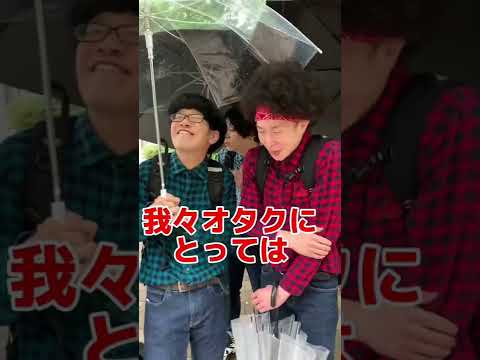
▶ Watch the original YouTube video
Snow Man’s Osomatsu-san Live-Action Adaptation Sparks Complex Reactions Among Anime Fans
Snow Man, a prominent Japanese idol group, has been announced to star in a live-action film adaptation of the beloved anime series Osomatsu-san. The announcement has triggered mixed reactions from anime fans, who express both cautious optimism and significant concerns about whether the group can capture the essence of the original work.
What Happened
Snow Man has been cast to lead a live-action film adaptation of Osomatsu-san, the popular anime series that premiered in 2015. The announcement has generated substantial discussion across social media platforms, with anime fans expressing concerns about the feasibility of translating the anime’s unique comedic style and character dynamics to live-action format, as well as questions about whether idol group members can authentically embody the roles.
Why It Matters
Live-action adaptations of anime represent a persistent tension in entertainment: the desire to expand a beloved property’s reach versus the risk of alienating core fans. Osomatsu-san is particularly significant because it represents one of the most acclaimed comedy anime of the past decade, with a theatrical film that grossed approximately 8 billion yen. The casting of idol group members rather than traditional actors raises questions about production priorities and creative vision. This adaptation exemplifies broader industry trends in how Japanese media properties are being adapted and monetized across different platforms.
Background
Osomatsu-san debuted as an anime in October 2015, serving as a modern reimagining of Osomatsu-kun, a classic manga by Fujio Okazaki. The series became a cultural phenomenon, celebrated for its distinctive comedic sensibility, well-developed character personalities, and exceptional voice acting performances. The anime’s first season achieved critical acclaim for its sophisticated use of animation techniques to deliver humor—including exaggerated expressions, character deformations, and meta-commentary about the anime industry itself. A theatrical film released in 2019 became a major commercial success.
Live-action adaptations of anime have a mixed historical record. Successful examples include Gintama (2017), directed by Yuichi Fukuda and starring Shun Oguri, which demonstrated that anime adaptations could work when cast appropriately and directed with genuine understanding of the source material. Conversely, Attack on Titan (2015) and Dragon Ball Evolution (2009) faced significant criticism for poor casting choices, substantial story alterations, and insufficient respect for the original works.
Key Points
- Snow Man has been announced as the lead cast for an Osomatsu-san live-action film adaptation
- Anime fans express concerns about whether idol group members can authentically portray the six main characters
- The core challenge involves translating anime-specific comedic techniques—exaggerated expressions, visual gags, and meta-humor—into live-action format
- Fan reactions reflect both cautious hope and significant skepticism, with “high expectations” repeatedly cited as a barrier
- The adaptation represents a broader industry strategy to expand anime properties across different media platforms and audience demographics
- Success will depend on whether the production team demonstrates genuine understanding of and respect for the original anime
Timeline
- October–December 2015: Osomatsu-san anime series premieres and becomes a cultural phenomenon
- 2019: Osomatsu-san theatrical film released, grossing approximately 8 billion yen
- 2017: Gintama live-action film released to critical acclaim, demonstrating successful anime adaptation
- 2015: Attack on Titan live-action film released to mixed-to-negative reception
- 2024 onwards: Snow Man’s Osomatsu-san live-action adaptation scheduled for release
Perspectives
Anime Fan Perspective: Core fans express legitimate concerns rooted in the anime’s unique strengths. Osomatsu-san’s humor fundamentally depends on animation techniques unavailable in live-action—character deformations, extreme facial expressions, and rapid visual gags that define the show’s comedic identity. Additionally, the anime features sophisticated meta-humor about the animation industry itself, which cannot be directly translated to live-action. Fans worry that casting idol group members prioritizes commercial appeal over authentic character interpretation.
Production Industry Perspective: The live-action adaptation represents a rational business strategy. Osomatsu-san has demonstrated strong commercial viability through its theatrical film success. A live-action adaptation with a popular idol group can reach broader demographics beyond anime enthusiasts, expand the franchise across media platforms, and capitalize on Snow Man’s current popularity. This approach aligns with recent industry trends favoring adaptations of properties with dedicated fan bases rather than purely mainstream recognition.
Comparative Analysis: The Gintama adaptation succeeded because director Yuichi Fukuda and actor Shun Oguri demonstrated deep understanding of the source material and committed to preserving its comedic essence while adapting it for live-action. The Attack on Titan adaptation failed partly due to casting choices perceived as misaligned with character requirements and insufficient fidelity to the original narrative.
Insights
The Osomatsu-san live-action announcement reveals fundamental tensions in contemporary media adaptation. Fan anxiety is not rooted in opposition to live-action formats generally, but rather in legitimate concerns about whether production teams understand and respect the specific qualities that made the original work successful. The anime’s reliance on animation-specific comedic techniques—exaggerated expressions, visual distortions, and meta-commentary—creates genuine technical challenges for live-action translation.
Fan reactions demonstrate sophisticated media literacy. Rather than simply rejecting the adaptation, fans are articulating specific concerns about casting appropriateness, production priorities, and creative vision. The repeated emphasis on “high expectations” reflects recognition that Osomatsu-san’s first season achieved exceptional quality, establishing a demanding standard for any adaptation.
The adaptation strategy also reflects broader industry evolution. Recent anime adaptations increasingly target properties with strong, dedicated fan bases rather than purely mainstream recognition. This suggests production teams are learning that successful adaptations require genuine engagement with source material rather than leveraging brand recognition alone.
Ultimately, the adaptation’s success will depend on whether Snow Man and the production team approach the project with authentic respect for Osomatsu-san’s unique qualities. Fan skepticism is not narrow-mindedness but rather deep affection for the original work. The most successful adaptations—like Gintama—succeed precisely because they honor this fan investment while attempting creative reinterpretation for new audiences.