▶ Watch the original YouTube video
How “This Teacher’s!” Became a Viral Meme in the Blue Archive Community
A simple phrase from a YouTube Shorts video has exploded across the Blue Archive gaming community, revealing how fan culture has evolved over the past 15 years. The phrase “Kore sensei no!” (This teacher’s!) demonstrates how modern fan expression has shifted from complex video edits to viral memes, democratizing how players express their attachment to game characters.
What Happened
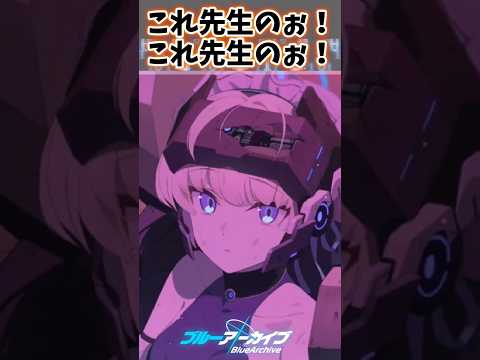
A YouTube Shorts video featuring the phrase “Kore sensei no!” (This teacher’s!) has rapidly spread throughout the Blue Archive gaming community. The phrase, a simple expression of affection toward the game’s protagonist character “Sensei” (Teacher), has become a viral meme that transcends the game’s core player base. The video’s simplicity and emotional directness have resonated with players, generating widespread engagement across social media platforms including Twitter and YouTube.
Why It Matters
This viral moment represents a significant shift in how fan culture operates in the digital age. The phrase’s explosive spread demonstrates how fan expression has evolved from requiring technical skills like video editing to simply requiring emotional authenticity and platform accessibility. The phenomenon illustrates the democratization of fan culture—where anyone can participate without specialized knowledge. Additionally, it reveals how game-based fan culture differs fundamentally from anime fan culture, creating more personal and interactive relationships between players and characters. This trend will likely influence how future games and media properties engage with their communities.
Background
Blue Archive is a mobile game that places players in the role of “Sensei” (Teacher), a character who interacts directly with various in-game characters. Unlike traditional games where the protagonist remains largely undefined, Blue Archive’s design encourages players to project themselves onto the Sensei character, creating a more intimate relationship with other characters in the game.
Fan culture has undergone three distinct evolutionary phases over the past 15 years. The first phase (2008–2015) was characterized by personal, localized fan activities within limited online communities like Niconico and 2channel. The second phase (2016–2021) saw fan culture become increasingly visible through Twitter, with dedicated fan accounts and commercialized merchandise becoming mainstream. The current third phase (2022–present) represents the “meme-ification” of fan expression, where fan sentiment becomes simplified into shareable, viral formats that appeal to broader audiences beyond core fan communities.
Key Points
- The phrase “Kore sensei no!” spread rapidly through YouTube Shorts, a format that prioritizes brevity and shareability over complex editing
- The phrase’s simplicity—expressing complex emotions in just three words—makes it highly effective as a meme and conversation starter
- Game-based fan culture differs from anime fan culture because it involves direct player interaction with characters, creating more personal emotional connections
- Fan culture has democratized, allowing casual players to participate in fan expression without requiring technical video editing skills
- The meme’s success reflects broader trends in how fan communities form and communicate in the social media era
- Community psychology shows that simple, shareable expressions generate stronger engagement than complex analytical commentary
Timeline
- 2008–2015: Personal fan culture era; fan activities limited to niche online communities
- 2009: “K-On!” anime boom marks early awareness of fan culture as a distinct phenomenon
- 2016–2021: Visible fan culture era; Twitter enables widespread fan community formation and merchandise commercialization
- 2018: “Love Live! Sunshine!!” fandom demonstrates fan culture’s evolution into recognizable cultural movement
- 2021: Blue Archive launches; introduces player-centric game design that encourages personal fan attachment
- 2022–present: Meme-ified fan culture era; fan expression becomes simplified and viral through short-form video platforms
- Recent: “Kore sensei no!” phrase goes viral on YouTube Shorts, exemplifying current fan culture trends
Perspectives
Community Enthusiasm: Blue Archive players have responded positively to the phrase, with many expressing strong agreement and sharing the meme across platforms. Comments indicate that the phrase’s appeal extends beyond the game’s core audience, suggesting broader cultural resonance.
Cultural Concern: Some community members have expressed concern that the meme-ification of fan culture might dilute the genuine emotional connection fans have with their favorite characters. There is worry that turning fan expression into viral content could reduce fan culture to superficial engagement.
Cultural Evolution View: From a broader perspective, the meme-ification of fan culture represents natural adaptation rather than degradation. Fan culture has consistently evolved to match available platforms and communication methods. The core emotional attachment to characters remains unchanged; only the expression method has evolved.
Insights
The viral success of “Kore sensei no!” reveals several important truths about contemporary fan culture. First, simplicity in expression often communicates emotion more effectively than complexity. Second, the format of communication shapes how fan culture manifests—short-form video platforms naturally produce simple, repeatable phrases rather than elaborate video essays. Third, game-based fan culture creates fundamentally different emotional dynamics than anime-based fan culture because of the interactive element; players feel personally invested in their relationship with characters rather than observing from a distance.
The phrase’s spread also demonstrates that fan culture has become democratized. Technical barriers to participation have largely disappeared; anyone with a smartphone can now create and share fan content. This democratization has expanded fan communities far beyond their traditional boundaries, bringing casual players into spaces previously dominated by dedicated enthusiasts.
Looking forward, this trend suggests that fan culture will continue to simplify and accelerate. Future fan expressions will likely become even more concise and platform-optimized. Additionally, as fan culture reaches broader demographics, we can expect continued growth in fan community formation and increased commercial interest from content creators and game developers seeking to capitalize on fan engagement.
The “Kore sensei no!” phenomenon ultimately represents a milestone in fan culture’s ongoing evolution—a moment where emotional authenticity, platform accessibility, and community psychology converged to create a viral moment that transcended its original context and became a broader cultural artifact.