▶ Watch the original YouTube video
The Psychology Behind Kamen Rider’s Taglines: How Catchphrases Shape Fan Expectations and Storytelling
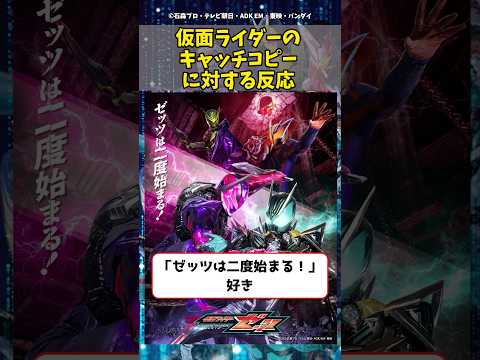
After 15 years of following the Kamen Rider franchise, a dedicated fan reveals how the series’ catchphrases function as far more than marketing slogans—they serve as philosophical gateways to each story, shape viewer expectations, and reflect the social anxieties of their era. From “Is a cyborg human?” to “Who will the Desire Driver choose?”, these taglines embed the essence of each series into a single, resonant phrase.
What Happened
A long-time Kamen Rider enthusiast has conducted an in-depth analysis of how the franchise’s catchphrases influence audience perception and engagement. The analysis examines reactions to these taglines across social media platforms including Twitter, 5channel, and YouTube, revealing that fans consistently use catchphrases as interpretive frameworks for understanding upcoming series and evaluating completed works. The study spans from the original 1971 series through the most recent installments, tracking how these phrases have evolved from simple philosophical questions to complex, multi-layered statements reflecting contemporary concerns.
Why It Matters
Kamen Rider’s catchphrases represent a unique approach to franchise storytelling in the tokusatsu (live-action special effects) genre. Unlike competitor franchises such as Super Sentai or Ultraman, which emphasize collective heroism and external salvation, Kamen Rider’s taglines consistently probe the internal conflicts and moral dilemmas of transformed individuals. Understanding how these phrases function reveals broader patterns in how media properties use language to establish narrative contracts with audiences, set thematic expectations, and build community discourse. For fans and media analysts alike, examining these catchphrases illuminates the relationship between marketing strategy and artistic intent.
Background
The Kamen Rider franchise began in 1971 with a premise centered on the transformation of ordinary humans into cyborg warriors through forced modification. This fundamental concept—the ambiguous status of the transformed protagonist—has remained central to the series’ identity across five decades. The fan’s engagement with the franchise began in 2009 with Kamen Rider W, whose tagline “Two Powers, One Justice” established a template for how catchphrases could encapsulate both narrative structure and thematic complexity. Since then, the franchise has produced numerous iterations, each with distinct catchphrases reflecting their era’s cultural context and target audience expectations.
Key Points
- Catchphrases as narrative blueprints: Each Kamen Rider series’ tagline functions as a foundational design document, with subsequent story development, character arcs, and directorial choices organized around the central concept embedded in the phrase.
- Evolution of thematic complexity: Early series featured simple philosophical questions (“Is a cyborg human?”), while contemporary series employ multi-layered concepts incorporating game mechanics and existential choice (“Who will the Desire Driver choose?”).
- Differentiation from competitor franchises: Kamen Rider’s introspective, individual-focused catchphrases contrast sharply with Super Sentai’s emphasis on teamwork and Ultraman’s focus on external heroic intervention.
- Social and temporal reflection: Catchphrases consistently mirror their production era’s social anxieties—economic stagnation, moral confusion, technological disruption—translating contemporary concerns into narrative frameworks.
- Multi-generational interpretation: The same catchphrase generates different meanings across age groups and fan communities, creating interpretive flexibility that sustains long-term engagement and cross-generational discourse.
- SNS amplification and community formation: Short, memorable catchphrases naturally propagate across social media platforms, functioning as conversation catalysts that build fan communities and attract new audiences.
Timeline
- 1971: Original Kamen Rider introduces the foundational question “Is a cyborg human?”
- 2005-2006: Kamen Rider Agito features “Into New Light”
- 2006-2007: Kamen Rider Ryuki presents “Who Will Survive?”
- 2007-2008: Kamen Rider Den-O uses “Battle Beyond Time”
- 2009-2010: Kamen Rider W establishes “Two Powers, One Justice”
- 2010-2011: Kamen Rider OOO introduces “Desire and Justice”
- 2012-2013: Kamen Rider Wizard features “Use the Magic of Hope”
- 2013-2014: Kamen Rider Gaim presents “The Warring States Era Begins”
- 2015-2016: Kamen Rider Ghost uses “The Story of Coexistence with Demons”
- 2018-2019: Kamen Rider Zi-O features “Time Jacking”
- 2019-2020: Kamen Rider Revice introduces “The Story of Brothers Coexisting with Demons”
- 2022-2023: Kamen Rider Geats presents “Who Will the Desire Driver Choose?”
Perspectives
Fan reactions to Kamen Rider catchphrases reveal significant generational and interpretive divides. Older fans often prefer the simplicity and philosophical directness of early-era taglines, viewing them as more authentic to the franchise’s core identity. Conversely, younger audiences appreciate the complexity and contemporary relevance of modern catchphrases, which incorporate game mechanics, digital culture references, and narrative ambiguity. Some fans argue that recent catchphrases have become overly gamified, potentially diluting the franchise’s traditional focus on the existential struggle of the transformed protagonist. Others contend that this evolution reflects genuine shifts in audience expectations and demonstrates the franchise’s ability to remain culturally relevant across decades. Online communities consistently demonstrate that the same catchphrase generates multiple valid interpretations, with fans debating whether taglines prioritize philosophical inquiry, narrative prediction, or marketing appeal.
Insights
The analysis reveals that Kamen Rider’s catchphrases function as far more than marketing devices—they operate as philosophical contracts between creators and audiences. Each phrase establishes expectations, guides narrative interpretation, and creates frameworks for community discourse. The franchise’s evolution from simple existential questions to complex, multi-layered statements reflects broader cultural shifts: from post-war questions about human identity to contemporary concerns about desire, choice, and technological mediation. The consistency with which fans can predict narrative direction from catchphrases alone demonstrates the franchise’s sophisticated approach to thematic coherence. Furthermore, the multi-generational appeal of these phrases—where different age groups extract different meanings from identical language—suggests that effective catchphrases operate at multiple semantic levels simultaneously. As artificial intelligence and biotechnology increasingly raise questions about human identity and agency, Kamen Rider’s traditional focus on the transformed individual’s internal conflict positions the franchise uniquely to address contemporary anxieties. The future of the franchise likely depends on whether creators can balance the gamification evident in recent catchphrases with the philosophical depth that has historically distinguished Kamen Rider from competing tokusatsu properties.