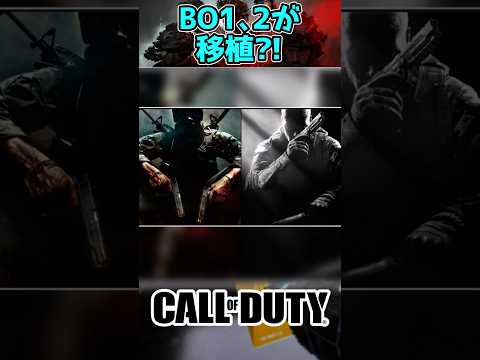
▶ Watch the original YouTube video
Call of Duty: Black Ops 1 & 2 Ported to Modern Consoles? Gaming Community Reacts
Reports suggest that Call of Duty: Black Ops 1 and 2 may be ported to next-generation consoles, sparking widespread nostalgia and debate within the gaming community. While players express enthusiasm about revisiting these classic titles, industry experts raise concerns about licensing issues and server maintenance costs that could complicate the project.
What Happened
News reports have surfaced indicating that Activision is considering porting Call of Duty: Black Ops 1 and Black Ops 2 to modern gaming platforms. The announcement has generated significant discussion across gaming communities, with players expressing both excitement and skepticism about the feasibility of such a project.
Why It Matters
Black Ops 1 and 2 represent a golden era in the Call of Duty franchise, released during the PlayStation 3 and Xbox 360 generation. These titles are widely regarded as the franchise’s creative and commercial peak. The potential revival of these games reflects broader industry trends toward nostalgia-driven marketing and the growing disconnect between current Call of Duty titles and longtime players who have migrated to competing franchises like Valorant, Apex Legends, and Overwatch 2. A successful port could signal a strategic shift in how Activision approaches its flagship franchise.
Background
Black Ops 1 launched in 2008 and Black Ops 2 in 2012, both becoming cultural phenomena in the FPS gaming space. Black Ops 2, in particular, is celebrated for its iconic multiplayer map “Nuketown” and its sophisticated campaign narrative set during the Cold War. The original games maintained massive player bases for years and are frequently cited by longtime fans as representing the franchise at its creative best—characterized by straightforward map design, balanced gameplay mechanics, and a strong sense of community.
In contrast, current Call of Duty titles have faced criticism for increasingly complex map design, aggressive monetization strategies, and a shift toward faster time-to-kill mechanics that prioritize reflexes over tactical gameplay. Many veteran players have expressed frustration with these design directions, creating demand for a return to the Black Ops era’s gameplay philosophy.
Key Points
- Licensing Complications: Black Ops 1 and 2 contain licensed music, brand partnerships, and celebrity voice acting with time-limited contracts. Renewing or replacing these elements could significantly impact development costs and timeline.
- Server Infrastructure: Maintaining dedicated servers for two legacy titles alongside current Call of Duty games presents ongoing operational expenses that may not align with Activision’s financial priorities.
- Player Nostalgia: The gaming community’s response is dominated by nostalgia and a desire to revisit a perceived “golden age” of the franchise, though skepticism about actual implementation remains high.
- Generational Appeal: Players who experienced Black Ops 2 during their formative years view the potential port as more than a game re-release—it represents a connection to a specific life period and social community.
- Industry Trend: The rumored port reflects a broader shift in the gaming industry toward reviving established franchises rather than investing in new intellectual property, driven by reduced financial risk.
- Potential Implementation Models: If realized, the port would likely take one of three forms: campaign-only, limited multiplayer, or exclusive availability through subscription services like Xbox Game Pass or PlayStation Plus.
Comparative Analysis: Lessons from Other Remasters
Several comparable remaster projects offer insights into potential outcomes:
| Title | Release Year | Success Rating | Key Factors |
|---|---|---|---|
| Halo: The Master Chief Collection | 2014 | ★★★★☆ | Bundled multiple titles; overcame initial server issues through sustained updates |
| Bioshock: The Collection | 2016 | ★★★★★ | Successfully resolved licensing issues; delivered significant graphical improvements |
| Resident Evil 2 Remake | 2019 | ★★★★★ | Respected original design while implementing modern improvements; complete remake approach |
The Halo: The Master Chief Collection demonstrates that even flawed launches can recover through persistent developer support. Bioshock: The Collection’s success in resolving licensing complications provides a potential roadmap, though such comprehensive licensing updates are rare in the industry.
Perspectives
Player Perspective: Gaming communities express overwhelming enthusiasm tempered by realistic skepticism. Social media discussions reveal two dominant sentiments: excitement about revisiting beloved gameplay and doubt about whether licensing and business considerations will allow full implementation. Many players indicate they would abandon current Call of Duty titles if Black Ops 1 and 2 became available.
Industry Perspective: The gaming industry has increasingly embraced nostalgia-driven projects as lower-risk alternatives to new IP development. Recent examples include Grand Theft Auto: Definitive Edition (2021), Star Wars: Knights of the Old Republic Remake announcement (2022), and Metal Gear Solid 3 Remake (in development). This trend reflects publisher preference for established commercial success over experimental new properties.
Business Perspective: From Activision’s standpoint, a Black Ops port offers multiple strategic advantages: recapturing lapsed players, attracting new audiences unfamiliar with these classics, and providing premium content for subscription services. However, these benefits must be weighed against licensing renewal costs, server maintenance expenses, and potential player fragmentation across multiple Call of Duty titles.
Likelihood and Implementation Scenarios
Industry analysis suggests approximately 50% probability of a Black Ops port materializing. If implemented, three scenarios appear most likely:
Scenario 1 – Campaign Only: Activision ports the single-player campaign modes while omitting multiplayer. This approach minimizes licensing complications and server costs while preserving the narrative experience that many consider the franchise’s strongest element.
Scenario 2 – Limited Multiplayer: A hybrid approach offering select multiplayer maps and modes rather than complete multiplayer recreation. This balances community demand with operational constraints.
Scenario 3 – Subscription Exclusive: The port launches exclusively on Xbox Game Pass or PlayStation Plus, positioning it as a service differentiator rather than a standalone retail product. This model aligns with industry trends toward subscription-based gaming.
Insights
The Black Ops port rumor reveals fundamental tensions within modern gaming. Players increasingly view contemporary franchise entries as departing from core design principles that made earlier iterations successful. The nostalgia surrounding Black Ops 1 and 2 extends beyond simple “retro appeal”—it represents frustration with current design philosophies emphasizing monetization, complexity, and mechanical speed over accessibility and strategic depth.
From an industry perspective, the rumor reflects a broader shift toward mining established intellectual property rather than developing new franchises. This strategy reduces financial risk but may signal creative stagnation within major publishers.
The licensing complications that threaten this project highlight an underappreciated challenge in game preservation. Unlike film or music, video games incorporating licensed content face technical obsolescence when contracts expire, creating barriers to historical preservation and consumer access.
Whether or not Black Ops 1 and 2 ultimately receive ports, the community response demonstrates enduring demand for the gameplay philosophy these titles embodied. This feedback could influence future Call of Duty design decisions, potentially prompting Activision to reexamine the design principles that defined the franchise’s most celebrated era.