▶ Watch the original YouTube video
How an Anime Emperor Uses Yaoi Art to Charm a Shrine Maiden: A Deep Dive Into Internet Culture and Character Dynamics
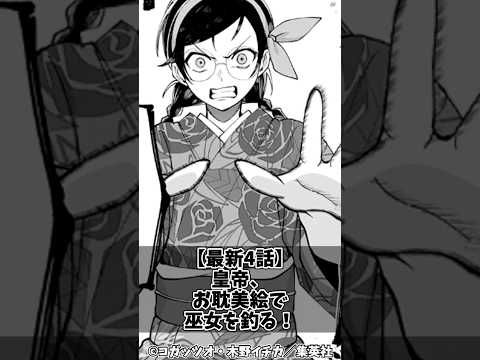
A pivotal scene in the anime “Internet Shrine Maiden Connecting the World” has sparked widespread online discussion after the emperor deliberately uses yaoi artwork to attract the shrine maiden character. This moment reveals sophisticated meta-humor and deep character understanding that reflects evolving trends in modern anime production and fan engagement.
What Happened
In “Internet Shrine Maiden Connecting the World,” a scene depicts the emperor deliberately using yaoi artwork—a form of internet culture depicting romantic or sexual relationships between male characters—to “bait” or attract the shrine maiden character. Rather than being presented as malicious manipulation, the scene is framed as a moment that reveals the emperor’s deep understanding of the shrine maiden’s preferences and interests. The strategic use of this internet-native content format demonstrates the emperor’s awareness of digital culture and his intimate knowledge of what appeals to his counterpart.
Why It Matters
This scene represents a significant evolution in how anime addresses internet culture and character psychology. It exemplifies a broader trend in contemporary anime production where creators employ meta-humor and implicit cultural references to engage multiple layers of viewers simultaneously. The scene matters because it demonstrates how modern anime can balance surface-level comedy with deeper expressions of character relationships, trust, and mutual understanding. For viewers familiar with internet culture, the moment carries additional meaning beyond simple humor—it signals a level of character intimacy and psychological complexity that enriches the narrative.
Background
The anime “Internet Shrine Maiden Connecting the World” has gained attention for its sophisticated approach to blending internet culture with traditional character dynamics. The relationship between the emperor and shrine maiden has evolved throughout the series from a simple hierarchical arrangement toward something more nuanced. This particular scene serves as a turning point that redefines their dynamic by revealing the depth of their mutual understanding. The use of yaoi artwork—a staple of online fan communities—as a plot device reflects the show’s commitment to authentically representing digital-native culture within its narrative framework.
Key Points
- Meta-humor meets character development: The emperor’s use of yaoi art functions simultaneously as comedy and as evidence of deep character knowledge, creating multiple layers of meaning for different audience segments.
- Internet culture as narrative tool: The scene demonstrates how contemporary anime integrates authentic internet culture elements—yaoi, fan art, digital aesthetics—into storytelling rather than treating them as external references.
- Implicit trust and understanding: The emperor’s action reveals that he has thoroughly understood the shrine maiden’s preferences, suggesting a relationship built on genuine comprehension rather than surface-level interaction.
- Audience sophistication: The scene assumes viewers possess knowledge of internet culture and fan communities, reflecting how modern anime targets digitally literate audiences.
- Evolution of character relationships: This moment marks a transition from conventional character dynamics toward more complex, psychologically nuanced interactions.
- Refined meta-expression: Unlike earlier examples of meta-humor in anime, this approach is subtle and implicit rather than explicit, requiring active viewer interpretation.
Timeline
- 2010s early period: Initial anime experiments with BL (boys’ love) elements and character psychology in relationship dynamics.
- 2018–2020: Major anime productions like “Attack on Titan” and “Jujutsu Kaisen” employ sophisticated meta-humor and subverted expectations as narrative tools.
- 2023–present: “Internet Shrine Maiden Connecting the World” represents the current evolution: implicit, culture-aware meta-expression integrated seamlessly into character development.
Perspectives
Surface-level interpretation: Many viewers engage with the scene primarily as humor—the emperor’s playful use of yaoi art to attract the shrine maiden is simply funny and entertaining.
Character analysis perspective: More analytically minded viewers recognize the scene as evidence of the emperor’s deep understanding of the shrine maiden’s interests and preferences, interpreting it as an expression of trust and intimacy rather than mere teasing.
Cultural commentary angle: Some viewers see the scene as the show’s sophisticated acknowledgment of internet culture and fan communities, treating yaoi art not as a punchline but as an authentic element of digital-native expression.
Production intent interpretation: Industry observers view the scene as evidence of the creative team’s sophisticated understanding of their audience, demonstrating awareness of viewer expectations and the ability to exceed them through layered storytelling.
Insights
This scene exemplifies how contemporary anime has matured in its approach to character psychology and audience engagement. Rather than treating internet culture as novelty or external reference material, “Internet Shrine Maiden Connecting the World” integrates it as a natural component of character expression and relationship dynamics. The emperor’s action—using yaoi art to attract the shrine maiden—works on multiple simultaneous levels: as humor for casual viewers, as character insight for attentive watchers, and as cultural commentary for those versed in fan communities.
The widespread positive reception across different online platforms (Twitter, Reddit, YouTube, and anime forums) suggests that the scene successfully delivers value to multiple audience segments. This multi-layered approach represents a significant evolution from earlier anime that employed meta-humor in more explicit, direct ways. By making the meta-commentary implicit rather than explicit, the show trusts its audience to recognize and appreciate the cultural references without spelling them out.
The scene also signals a shift in how anime addresses character relationships. Rather than relying on dramatic declarations or obvious plot developments, the show uses subtle behavioral choices—the emperor’s knowledge of what appeals to the shrine maiden—to communicate relationship depth. This approach assumes viewers are sophisticated enough to read psychological subtext and cultural context, reflecting how anime audiences have evolved alongside internet culture itself.
Looking forward, this scene suggests that anime will continue to deepen its integration of internet culture into narrative and character development. As creators become more confident in their audiences’ digital literacy, we can expect more nuanced, implicit approaches to meta-humor and cultural commentary. The success of this moment indicates that viewers appreciate and reward this level of sophistication, encouraging further experimentation with complex, multi-layered storytelling that respects audience intelligence.