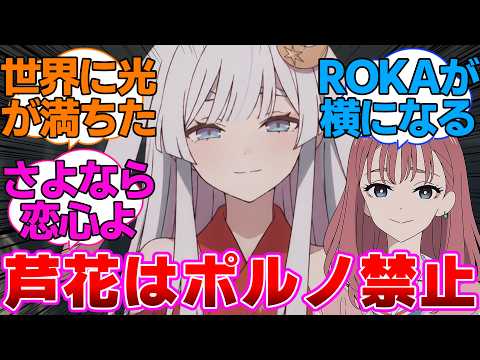
▶ Watch the original YouTube video
How “Koisuru Usagi-chan” Became a Phenomenon: 15 Years of Anime Fan Culture Analysis
A radio listener name from the anime “Chouguya Hime!” has sparked widespread internet discussion, revealing how modern anime fandom transforms anonymous usernames into beloved characters. This phenomenon reflects a 15-year evolution in how fans engage with media and create meaning through collective imagination.
What Happened
Within the anime series “Chouguya Hime!,” a radio listener name “Koisuru Usagi-chan” (Lovestruck Bunny) has generated significant online attention and discussion. What began as a simple listener submission has evolved into a full-fledged character phenomenon, with fans creating fan art, analyzing the character’s personality, and debating its significance across multiple internet platforms including Twitter, 5channel, and YouTube.
Why It Matters
This phenomenon represents a critical shift in modern anime fandom culture. It demonstrates how contemporary audiences no longer passively consume content but actively participate in creating and shaping character narratives. The transformation of a radio name into a recognized character reveals the power of collective fan imagination and the blurred lines between official content and fan-generated culture. Understanding this trend provides insight into how media producers strategically engage audiences and how digital platforms accelerate cultural phenomena.
Background
The concept of fan-created characters emerging from existing media is not new. Since the mid-2000s, anime fandom has repeatedly witnessed similar phenomena. The “Kyonko” character from “The Melancholy of Haruhi Suzumiya” (2006-2009) sparked thousands of forum discussions imagining an alternate female version of the protagonist. The “Attack on Titan” radio program (2012-2015) saw listener submissions gain cultural traction, while “Love Live!” (2013-2018) experienced massive fan-created character development. These historical precedents establish a pattern: fans consistently seek opportunities to imagine, create, and collectively develop new characters from existing media frameworks.
The evolution of this phenomenon has accelerated dramatically with social media proliferation. What once required months of forum discussion now occurs within weeks or days, as information spreads across multiple platforms simultaneously.
Key Points
- “Koisuru Usagi-chan” originated as a radio listener name within “Chouguya Hime!” and has been transformed into a recognized character through fan engagement
- This represents a continuation of a 15-year pattern where anime fans create and develop characters from non-character sources (usernames, alternate versions, listener submissions)
- The phenomenon demonstrates the evolution of radio name culture from simple anonymity tool to independent character entity
- Fan reactions span positive enthusiasm, critical skepticism, and analytical commentary, reflecting the character’s complex appeal
- The acceleration of this phenomenon from concept to cultural phenomenon has compressed dramatically due to social media, occurring in weeks rather than months
- Production studios increasingly recognize and strategically incorporate fan participation into official content, blurring the line between official and fan-created material
Timeline
- 2006-2009: “Kyonko” phenomenon emerges from “The Melancholy of Haruhi Suzumiya,” generating thousands of forum posts and establishing the template for fan character creation
- 2012-2015: “Attack on Titan” radio program listener submissions gain cultural recognition, demonstrating radio name potential for character development
- 2013-2018: “Love Live!” fan-created characters achieve massive scale, eventually receiving official recognition and merchandise
- 2024: “Koisuru Usagi-chan” emerges as radio listener name in “Chouguya Hime!” and rapidly achieves character status through fan engagement across multiple platforms
The Character Development Process
The transformation of a radio name into a recognized character follows a consistent four-stage progression:
Stage 1 – Naming: The radio name “Koisuru Usagi-chan” exists as a listener submission identifier.
Stage 2 – Narrative Imagination: Fans begin speculating about the person behind the name, constructing personality profiles based on the name’s components: “koisuru” (lovestruck) suggesting emotional investment, “usagi-chan” (bunny) implying cuteness and innocence.
Stage 3 – Character Recognition: These collective imaginings solidify into a shared understanding of “Koisuru Usagi-chan” as an independent character entity rather than merely a listener identifier.
Stage 4 – Creative Production: Fans generate fan art, fiction, and analysis centered on this character, further cementing its cultural presence.
Comparative Analysis
| Series | Character Source | Period | Fan Response Scale |
|---|---|---|---|
| The Melancholy of Haruhi Suzumiya | Kyonko (fan-created character) | 2006-2009 | Extremely large |
| Attack on Titan | Radio listener submissions | 2012-2015 | Moderate |
| Love Live! | Multiple fan-created characters | 2013-2018 | Extremely large |
| Chouguya Hime! | Koisuru Usagi-chan (radio name) | 2024 | Moderate to large |
Perspectives
Supportive Fan Perspective: Many fans celebrate “Koisuru Usagi-chan” as a charming and creative addition to the series. They appreciate the character’s name composition and actively engage in creating fan art and fiction. This group views the phenomenon as a natural and positive evolution of fan culture, celebrating the creative agency of the audience.
Critical Perspective: Some viewers express skepticism about the forced characterization of a radio listener name. Critics argue that this approach dilutes focus from the series’ primary characters and represents an artificial attempt to manufacture engagement. This viewpoint suggests that the phenomenon lacks organic development and represents corporate manipulation of fan culture.
Analytical Perspective: A third group approaches the phenomenon academically, viewing it as evidence of strategic production decisions. This perspective recognizes that modern anime studios deliberately incorporate fan participation mechanisms, understanding that contemporary audiences seek active involvement in content creation. This group sees “Koisuru Usagi-chan” as a calculated but effective strategy to deepen audience investment.
Production Strategy and Fan Psychology
Contemporary anime production companies demonstrate sophisticated understanding of internet culture and fan psychology. The inclusion of radio listener names as potential character elements suggests intentional design rather than accident. By creating space for audience participation through named submissions, producers simultaneously generate organic fan engagement and provide raw material for character development.
This strategy recognizes a fundamental truth about modern fandom: audiences no longer wish to be passive consumers. Instead, they seek opportunities to contribute to and shape the narratives they consume. By incorporating listener names into official content, producers transform audience members into co-creators, deepening emotional investment and generating sustained discussion across social platforms.
The Acceleration Effect
A critical distinction separates the “Koisuru Usagi-chan” phenomenon from earlier similar events: speed. The “Kyonko” phenomenon of 2006-2009 required months to develop from initial concept to full cultural recognition. Contemporary platforms compress this timeline dramatically. The same developmental arc now occurs within weeks or days, as information spreads simultaneously across Twitter, YouTube, 5channel, and other platforms.
This acceleration reflects both technological change and evolved fan culture. Fans now possess sophisticated tools for rapid communication, coordination, and content creation. What once required dedicated forum participation now happens organically across multiple platforms, with algorithms amplifying popular content and accelerating cultural momentum.
Future Trajectory Predictions
Based on historical patterns, the “Koisuru Usagi-chan” phenomenon will likely follow this progression:
- Increased Official Recognition: Production staff will begin deliberately referencing the character, acknowledging fan enthusiasm and validating the character’s existence
- Expanded Fan Creation: Illustration and fiction production will intensify, with dedicated fan communities forming around the character
- Potential Merchandise: In extreme cases, official merchandise featuring the character may be produced, as occurred with “Love Live!” fan-created characters
- Industry Replication: Other anime productions will adopt similar radio name or listener submission mechanisms, attempting to replicate the phenomenon’s success
Insights
The “Koisuru Usagi-chan” phenomenon illuminates fundamental truths about contemporary anime fandom. Fans do not merely consume narratives; they actively construct meaning through collective imagination. A simple radio listener name becomes a character not through official decree but through shared fan interpretation and creative contribution.
This process reveals that character existence is not binary. “Koisuru Usagi-chan” does not exist as an official character, yet it undeniably exists as a cultural entity. Fans love, analyze, and create around this non-existent character with genuine emotional investment. This paradox—loving something that does not officially exist—represents the core of modern anime fandom.
The phenomenon also demonstrates how production studios and fan communities have reached a new equilibrium. Rather than opposing fan creativity, studios increasingly recognize and incorporate it. This symbiotic relationship generates authentic engagement that traditional marketing cannot replicate. Fans feel heard and valued, while studios benefit from sustained discussion and emotional investment.
Finally, the acceleration of this phenomenon reflects broader technological and cultural shifts. The tools for rapid communication, content creation, and community coordination have fundamentally altered how fan culture develops. What once required dedicated effort now emerges organically from the intersection of multiple platforms and millions of simultaneous participants.
The true mystery remains: whether “Koisuru Usagi-chan” emerged organically from fan imagination or was strategically designed by producers to generate precisely this response. Perhaps this ambiguity itself constitutes the character’s greatest appeal—the uncertainty deepens the mystique and invites continued speculation and creative engagement.