▶ Watch the original YouTube video
Missing Manga Artists: Industry Crisis or Necessary Break? Inside the Debate
A viral video examining missing manga artists has sparked widespread debate across anime, manga, and gaming communities about the harsh realities of creative industries. The discussion reveals systemic problems including extreme work pressure, health crises, and structural industry failures that force creators into prolonged silence.
What Happened
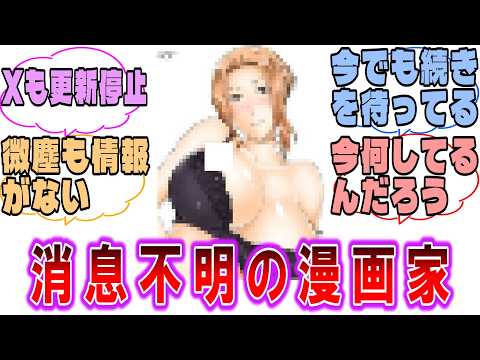
A video compilation documenting public reactions to the phenomenon of “missing manga artists”—creators who suddenly cease communication and halt serialization—has generated significant online discussion. The video aggregates responses from Twitter, 5channel forums, and YouTube communities, revealing how fans and industry observers interpret these disappearances and their underlying causes.
The phenomenon is not new, but its frequency appears to be increasing. Multiple high-profile manga artists have gone silent during active serialization, leaving fans without explanation or updates. Some have eventually returned; others have never resumed work.
Why It Matters
The disappearance of manga artists highlights critical labor and mental health issues within creative industries. These incidents are not isolated cases of individual negligence but symptoms of systemic problems affecting thousands of creators. The debate surrounding missing artists has evolved into a broader conversation about industry reform, creator welfare, and the sustainability of current production models.
For fans, these disappearances represent broken connections with beloved works and creators. For industry observers, they signal urgent need for structural change. The conversation extends beyond manga to animation, game development, and other creative fields facing similar pressures.
Background
The manga industry operates under intense production demands, particularly for weekly serialization formats. Creators typically work under strict deadlines while managing teams of assistants, often with minimal sleep and inadequate compensation. The shift to digital production, while offering flexibility, has paradoxically increased editor expectations and shortened deadlines.
The rise of social media has fundamentally altered creator-fan relationships. Where creators once communicated exclusively through publishers, they now face direct fan expectations and criticism on platforms like Twitter. Simultaneously, the publishing industry has experienced declining revenues due to digital distribution and changing consumer habits, reducing creator compensation and increasing economic pressure.
These converging factors—extreme work schedules, financial instability, direct fan pressure, and mental health challenges—create conditions where creators frequently experience burnout, health crises, or complete withdrawal from public life.
Key Points
- Systemic, not individual: Missing artists result from industry structure rather than personal failure or negligence
- Health is the primary factor: Physical exhaustion and mental health crises are the most common causes of disappearance
- Weekly serialization is unsustainable: The demand for consistent weekly output creates impossible working conditions
- Economic pressure compounds stress: Declining industry revenue and low creator compensation force artists to juggle multiple jobs
- Fan responses vary widely: Communities split between those waiting for return, those criticizing silence, and those accepting permanent loss
- Digital platforms offer alternatives: Crowdfunding and independent publishing platforms are emerging as viable alternatives to traditional publishers
The Phenomenon Across Creative Industries
Missing creators are not unique to manga. Animation directors and game producers face similar pressures and frequently experience prolonged absences. In animation, directors have disappeared for years before returning with new projects. In game development, producers have abandoned projects entirely due to stress and development delays. The pattern is consistent: creative industries with high output demands and compressed timelines generate conditions where creator disappearance becomes inevitable.
Fan Response Patterns
Analysis of online communities reveals three distinct fan response patterns to missing creators:
Waiting Pattern: Fans maintain hope for eventual return, respecting the creator’s need for recovery. These fans demonstrate deep attachment to works and prioritize creator wellbeing over content consumption.
Critical Pattern: Fans express frustration at lack of communication, viewing silence as disrespectful to audience investment. These responses reflect disappointment when expectations go unmet.
Acceptance Pattern: Fans pragmatically accept that return is unlikely and move to other works. This pattern increases as silence extends, with hope gradually diminishing over time.
Research indicates that fan sentiment typically transitions from waiting to acceptance as months and years pass without communication.
Underlying Causes
Digital Production Paradox: While digital tools enabled individual creators to work independently, they simultaneously eliminated the buffer that studio environments provided. Editors now expect faster turnaround and higher quality, compressing timelines while removing support structures.
Social Media Stress: Direct fan interaction, while building community, creates constant exposure to criticism and pressure. Creators report that social media presence adds significant psychological burden beyond the creative work itself.
Industry Decline: Falling print sales and shifting revenue models have reduced creator compensation. Many artists now work secondary jobs while maintaining serialization, creating unsustainable dual workloads.
Structural Labor Issues: Publisher contracts often heavily favor publishers over creators. Assistant costs, equipment expenses, and overhead fall on creators while compensation remains low, creating financial precarity.
Emerging Solutions
Some creators have found relief through alternative platforms. Crowdfunding services and independent publishing platforms like note have enabled artists to work outside traditional publisher relationships. Creators utilizing these alternatives report significantly reduced stress and greater creative control, suggesting that industry structure rather than individual capability drives the crisis.
Online Community Discussion
Twitter Sentiment: Discussions center on individual creator concerns mixed with broader industry criticism. Hashtags dedicated to missing artists aggregate thousands of posts expressing both personal loss and systemic frustration.
Forum Analysis: Deeper technical discussions on platforms like 5channel examine specific industry problems: weekly serialization sustainability, publisher exploitation, assistant system failures, and labor condition reform. These discussions frame missing artists as evidence of industry-wide dysfunction rather than isolated incidents.
Video Comments: Personal testimonies dominate video platform discussions, with viewers sharing experiences of beloved works abandoned mid-serialization. These accounts emphasize the emotional impact on fan communities and the desire for creator transparency.
Insights
The phenomenon of missing manga artists represents a critical failure point in creative industry sustainability. These disappearances are not anomalies but predictable outcomes of unsustainable production demands, inadequate compensation, and insufficient creator support systems.
The debate reveals that fans increasingly understand these absences as systemic problems rather than personal failures. This shift in perception has generated calls for industry reform, including sustainable serialization schedules, improved creator compensation, and better mental health support.
The emergence of alternative platforms suggests that traditional publishing models are not inevitable. Creators who transition to independent or crowdfunded work report improved wellbeing, indicating that structural change is both possible and beneficial.
For fans, the most constructive response appears to be supporting creator wellbeing over content consumption—a perspective increasingly reflected in online communities. This reframing acknowledges that sustainable creative output requires sustainable working conditions.
The conversation around missing artists ultimately reflects broader questions about creative labor, industry responsibility, and the relationship between creators and audiences. As these discussions continue, they may catalyze the structural reforms necessary to prevent future disappearances.