▶ Watch the original YouTube video
Why JoJo’s Bizarre Adventure’s Original Manga Is Far More Intense Than Its Anime Adaptation
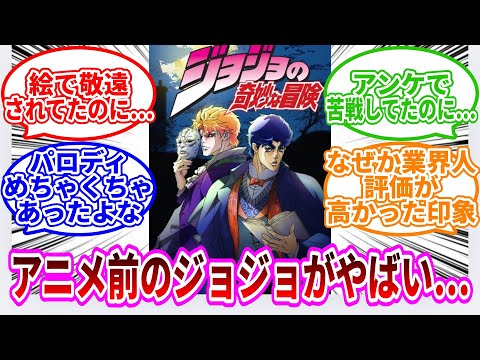
The original manga version of JoJo’s Bizarre Adventure, particularly Part 4: Diamond is Unbreakable, contains significantly more graphic and psychologically disturbing content than its 2016 anime adaptation. The gap between source material and television version reveals how broadcast standards and societal norms have shifted dramatically over the past two decades.
What Happened
When JoJo’s Bizarre Adventure received its television anime adaptation in 2016, fans who had read the original manga discovered that the anime version significantly softened the source material’s most disturbing elements. The most notable example is the portrayal of Yoshikage Kira, the serial killer antagonist of Part 4, whose character in the manga is far more psychologically unsettling and graphically depicted than in the anime version.
The original manga, serialized between 1987 and 2005, was created during an era when Japanese publishing standards allowed considerably more explicit content. By contrast, the 2016 anime adaptation had to comply with modern television broadcast regulations, resulting in substantial modifications to violence, psychological horror, and disturbing imagery.
Why It Matters
This discrepancy highlights a critical shift in media regulation and societal standards over the past two decades. The gap between the original manga and its anime adaptation serves as a case study in how creative works are recontextualized when adapted to different media and time periods. For fans seeking to understand the full artistic vision of creator Hirohiko Araki, the original manga remains essential.
Additionally, this phenomenon raises questions about content regulation in modern media. The anime’s modifications, while necessary for broadcast compliance, resulted in what many longtime fans perceive as a dilution of the work’s psychological impact and thematic depth.
Background
JoJo’s Bizarre Adventure began serialization in Weekly Shonen Jump in 1987 and continued until 2004. Part 4: Diamond is Unbreakable, which ran from 1999 to 2005, introduced Yoshikage Kira, a seemingly ordinary office worker who leads a double life as a serial killer driven by deeply personal and pathological desires rather than grand ideological motivations.
The late 1990s and early 2000s represented a period of relative creative freedom in Japanese manga publishing. Content regulations were less stringent than they would become in subsequent years. By 2016, when the anime adaptation aired, broadcast standards had become significantly more restrictive due to evolving child safety guidelines, educational concerns, and broader societal shifts in media consumption norms.
The anime adaptation was produced by David Production and aired on television, requiring compliance with broadcast regulations that prohibited certain depictions of violence, psychological trauma, and disturbing imagery. These constraints necessitated creative modifications throughout the series, but were most pronounced in the Yoshikage Kira arc.
Key Points
- Expression Differences: The original manga employs more direct and graphic depictions of violence and psychological horror compared to the heavily modified anime version.
- Yoshikage Kira’s Portrayal: The manga presents the serial killer as disturbingly realistic and mundane, with his everyday routines contrasted sharply against his violent impulses—a duality less emphasized in the anime.
- Era-Specific Standards: Content created during 1999-2005 benefited from significantly looser publishing regulations than broadcast television standards of 2016.
- Audience Expectations Gap: Longtime manga readers experienced significant disappointment upon viewing the anime, while viewers encountering the series through anime alone found the content appropriately intense.
- Broadcast Regulation Impact: Modern television standards prevented full adaptation of the manga’s most disturbing psychological and visual elements.
- “Everyday Horror” Technique: The manga’s greatest strength lies in depicting terror within mundane, ordinary settings—a quality substantially reduced in the anime version.
Timeline
- 1987-2004: JoJo’s Bizarre Adventure serialization period with relatively permissive content standards.
- 1999-2005: Part 4: Diamond is Unbreakable serialization, representing the peak era of creative freedom in Shonen Jump.
- 2005 onwards: Gradual strengthening of content regulations in Japanese media due to child safety and educational concerns.
- 2016: Television anime adaptation of Part 4 airs with significantly modified content to comply with modern broadcast standards.
Perspectives
Original Manga Advocates: Long-time readers argue that the anime’s modifications fundamentally diminish the work’s psychological impact. They contend that Yoshikage Kira’s character loses its most unsettling qualities when the everyday-to-horrific contrast is softened. These fans emphasize that the manga’s “horror in the mundane” technique—depicting a serial killer’s ordinary daily routines alongside his violent impulses—is far more effective in the original medium.
Anime Defenders: Supporters of the anime adaptation acknowledge that television broadcast constraints are necessary and appropriate. They argue that the anime version remains psychologically effective within its medium and that broadcast regulations exist for legitimate reasons. Some viewers contend that the anime’s intensity is sufficient and that further graphic content would be gratuitous rather than narratively essential.
Media Regulation Perspective: Industry observers note that the gap between manga and anime reflects broader societal changes in media standards. Regulations strengthened significantly between 2005 and 2016 due to increased focus on child psychology, educational impact, and trauma prevention. From this viewpoint, the anime’s modifications represent responsible adaptation to contemporary standards rather than creative compromise.
Comparative Analysis
When examined alongside other manga-to-anime adaptations, JoJo’s Part 4 stands out for the magnitude of difference between source and adaptation. Attack on Titan maintained relatively consistent intensity across both media, while Death Note experienced moderate modifications but retained its psychological core. By contrast, JoJo’s Part 4 experienced substantial content reduction across multiple dimensions: visual violence, psychological horror, and disturbing imagery.
The character of Yoshikage Kira represents a unique case in anime history. Unlike typical antagonists motivated by world domination, revenge, or ideological conviction, Kira commits serial murder to satisfy deeply personal, pathological desires—a desire for quiet domesticity and an obsession with women’s hands. This psychological realism, combined with graphic depictions of his crimes, made the original manga exceptionally disturbing for its era.
The “Everyday Horror” Technique
The manga’s most distinctive feature is its use of what might be termed “everyday horror”—the juxtaposition of mundane daily routines with violent psychopathy. In the original manga, Yoshikage Kira’s scenes emphasize his ordinary life: commuting to work, brushing his teeth, watching television, preparing meals. These detailed depictions of normalcy are immediately followed by revelations of his violent thoughts and actions, creating a deeply unsettling contrast.
The anime adaptation significantly reduces this technique’s effectiveness. Television format constraints and viewer comfort considerations led to abbreviated depictions of Kira’s daily routines. While the anime retains the conceptual contrast, it lacks the detailed emphasis on mundanity that makes the original manga so psychologically disturbing. This represents the most significant loss in the adaptation process.
Regulatory Evolution and Industry Trends
Between 2005 and 2016, Japanese media underwent substantial regulatory changes affecting depictions of violence, sexual content, psychological trauma, and criminal behavior. These changes stemmed from increased focus on child development psychology, educational impact research, and broader societal concerns about media influence.
Specific regulations strengthened in the following areas:
- Violence Depictions: Direct portrayals of blood, organ damage, and graphic injury became increasingly restricted.
- Sexual Content: Exposure levels and sexual implications faced tighter limitations.
- Psychological Trauma: Depictions designed to cause lasting psychological distress became subject to greater scrutiny.
- Criminal Behavior: Detailed crime depictions and any suggestion of crime justification faced enhanced restrictions.
The original JoJo’s Part 4 manga touches upon nearly all these regulatory categories, making comprehensive anime adaptation within modern broadcast standards effectively impossible without substantial modification.
Future Possibilities
Recent industry trends suggest potential paths for more faithful adaptations. The rise of late-night anime programming and theatrical releases has created spaces where more mature content can be presented. Series such as Attack on Titan: The Final Season and Jujutsu Kaisen have demonstrated that television anime can achieve considerably graphic content when broadcast in appropriate time slots.
A theatrical film adaptation or dedicated late-night anime series focused on Part 4 could potentially realize a more faithful version of the original manga. Such projects would operate outside standard broadcast restrictions, allowing for more complete artistic representation of Araki’s vision.
Internet Reception and Fan Response
Online communities have extensively discussed the manga-anime discrepancy. Twitter discussions frequently feature comments from original manga readers expressing disappointment with the anime’s reduced intensity, with particular criticism directed at the softened portrayal of Yoshikage Kira’s psychological profile.
YouTube comments reveal a generational divide: viewers who encountered the series through anime alone often express that further intensity would be excessive, while manga readers consistently note that the anime fails to capture the original’s psychological impact.
Dedicated forums and discussion boards feature more analytical discourse examining the specific creative decisions made during adaptation and the broader implications for media regulation and artistic expression. These conversations reflect genuine tension between accessibility, regulatory compliance, and artistic fidelity.
Insights
The JoJo’s Bizarre Adventure manga-to-anime adaptation gap represents a significant case study in how creative works are transformed across media and time periods. Rather than reflecting creative incompetence or laziness, the modifications demonstrate how regulatory environments, broadcast standards, and evolving social norms fundamentally reshape artistic expression.
The phenomenon raises important questions about content regulation’s purpose and effectiveness. While broadcast standards serve legitimate protective functions, they also result in artistic compromises that some viewers perceive as diminishing the work’s thematic depth and psychological impact.
For audiences seeking to understand JoJo’s Bizarre Adventure fully, engaging with the original manga remains essential. The manga’s depiction of Yoshikage Kira—a serial killer motivated by mundane personal desires rather than grandiose ideology—represents a distinctive artistic achievement that the anime adaptation, despite its quality, cannot fully replicate within modern broadcast constraints.
The broader implication extends beyond JoJo’s alone: as regulatory standards continue evolving, the gap between older manga and their contemporary adaptations will likely increase. This creates an ongoing tension between artistic preservation, regulatory compliance, and audience accessibility that the industry will continue navigating.