▶ Watch the original YouTube video
After 15 years of following the JoJo’s Bizarre Adventure series, fans and critics widely agree that Johnny Joestar, the protagonist of Part 7: Steel Ball Run, faces uniquely harsh circumstances compared to other JoJo protagonists. Unlike previous heroes who encounter hardship during their journey, Johnny begins his story already paralyzed from the waist down, setting a fundamentally different tone for his character arc and personal growth.
What Happened
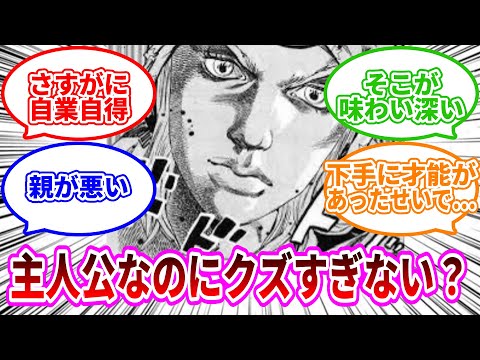
A viral video compilation has sparked widespread discussion among JoJo fans about why Johnny Joestar’s character arc is considered exceptionally difficult and emotionally demanding. The video, which aggregates fan reactions and commentary, highlights how Johnny’s initial condition—paraplegia—combined with his psychological struggles, creates a narrative experience distinctly different from other parts of the JoJo series. Fans have taken to social media to debate whether Johnny’s suffering is narratively justified or excessive.
Why It Matters
Johnny Joestar represents a significant shift in how manga and anime depict protagonists with disabilities. Rather than portraying disability as an obstacle to overcome and move past, Steel Ball Run presents paralysis as a permanent reality that shapes every aspect of Johnny’s journey. This approach influenced subsequent works in the industry and sparked important conversations about representation, character development, and the nature of personal growth in storytelling. Understanding Johnny’s character provides insight into modern narrative design and how creators approach sensitive topics.
Background
Steel Ball Run, the seventh installment of JoJo’s Bizarre Adventure, debuted in 2004 and introduced Johnny Joestar as its protagonist. Unlike previous JoJo parts, which featured protagonists from privileged or relatively stable backgrounds, Johnny begins the story as a former jockey rendered paraplegic by a tragic accident. The series follows Johnny and his companion Gyro Zeppeli across a cross-country horse race in 1890s America, where Johnny gradually develops his Stand ability—a supernatural power called “Steel Ball,” based on the concept of rotation. The narrative explores themes of self-discovery, acceptance, and redefining one’s identity in the face of permanent limitation.
Key Points
- Unique Starting Point: Johnny begins his story already disabled, unlike previous JoJo protagonists who face hardship during their journey. This creates a fundamentally different narrative foundation centered on acceptance rather than recovery.
- Psychological Complexity: Beyond physical paralysis, Johnny struggles with self-denial, depression, and the loss of his former identity as a skilled horseman, adding layers of emotional difficulty throughout the series.
- Stand Ability Development: Johnny’s acquisition of his Stand power requires not just training but a profound psychological transformation. He must learn to embrace the concept of rotation—movement and change—while physically unable to walk.
- Relationship Dynamics: Johnny’s bond with Gyro Zeppeli differs fundamentally from traditional mentor-student relationships seen in earlier JoJo parts. Their connection is more equal and complex, involving competition, trust, and mutual growth.
- Cost of Growth: Unlike other protagonists who gain power to achieve external goals, Johnny’s growth comes at the cost of abandoning his original wish to return to his former self, representing a more nuanced form of character development.
- Industry Influence: Steel Ball Run’s approach to depicting disability influenced subsequent anime and game narratives, establishing a template for more realistic and psychologically complex portrayals of characters with disabilities.
Comparative Analysis: Johnny vs. Other JoJo Protagonists
| Part | Protagonist | Central Theme | Starting Condition |
|---|---|---|---|
| Part 1 | Jonathan Joestar | Resistance to Fate | Nobleman’s son with privilege |
| Part 2 | Joseph Joestar | Cunning and Wit | Relatively comfortable upbringing |
| Part 3 | Jotaro Kujo | Protecting Family | Stable, privileged background |
| Part 4 | Josuke Higashikata | Everyday Abnormality | Normal town resident |
| Part 5 | Giorno Giovanna | Dreams and Ambition | Ambitious but disadvantaged |
| Part 6 | Jolyne Cujoh | Family Bonds | Imprisoned protagonist |
| Part 7 | Johnny Joestar | Self-Discovery and Acceptance | Paraplegic former athlete |
The Symbolism of Rotation
One of the most significant aspects of Johnny’s character arc is the symbolic meaning of his Stand ability. The concept of “rotation”—continuous circular motion—stands in stark contrast to Johnny’s physical immobility. This juxtaposition is not coincidental; it represents Johnny’s psychological journey from stagnation and despair to dynamic self-transformation. By mastering rotation, Johnny doesn’t overcome his disability but rather redefines his relationship with it, finding power and purpose within his limitations rather than despite them.
Fan Reception and Community Response
Social media discussions reveal a largely positive reception of Johnny’s character, with fans praising the emotional depth and realism of his portrayal. Many Twitter users noted that Johnny’s harshness stems not from excessive suffering but from the series’ refusal to offer easy solutions or miraculous recovery. Comments frequently compare Johnny favorably to other protagonists, citing his psychological complexity as a strength. However, some fans expressed concern that the narrative burden placed on Johnny exceeds what is necessary for effective storytelling, questioning whether such extensive suffering serves the narrative or simply adds gratuitous hardship. The overall consensus suggests that Johnny’s difficulties, while severe, contribute meaningfully to his character’s authenticity and emotional resonance.
Broader Industry Context
Steel Ball Run’s approach to depicting disability emerged during a period when anime and manga were beginning to reconsider how they portrayed characters with physical limitations. Early 2000s narratives typically framed disability as an obstacle to overcome or transcend. Johnny’s story instead presents disability as a permanent condition that shapes identity and requires psychological adaptation rather than physical cure. This narrative choice influenced subsequent works, including games like Fire Emblem: Three Houses and anime featuring protagonists with psychological disabilities. Johnny Joestar effectively pioneered a more nuanced, respectful approach to disability representation in Japanese media.
Insights
Johnny Joestar’s character represents a watershed moment in how popular media depicts protagonists facing permanent adversity. His journey is not about overcoming his disability but about discovering who he is within the reality of his condition. This distinction—between recovery and acceptance—makes Johnny’s narrative fundamentally different from traditional hero’s journey frameworks. The widespread fan discussion about whether his suffering is justified reflects deeper questions about the purpose of hardship in storytelling: Does difficulty serve character development, or does it risk becoming exploitative? Johnny’s arc suggests that when hardship is psychologically integrated into a character’s identity and growth, it becomes meaningful rather than merely punitive. His story demonstrates that the most compelling narratives often emerge not from characters transcending their limitations but from characters learning to live authentically within them. For readers and viewers, Johnny’s journey offers a more realistic and ultimately more hopeful vision of human resilience—not the triumph of the able-bodied hero, but the quiet strength of someone who has learned to accept themselves.
Recommendations for Experiencing Steel Ball Run
Start from Part 1: While each JoJo part stands independently, reading the entire series provides crucial context. Understanding how previous protagonists achieved external victories makes Johnny’s internal journey of self-acceptance more striking and meaningful.
Focus on Gyro’s Role: Pay close attention to Johnny’s relationship with Gyro Zeppeli. Gyro functions as Johnny’s mirror, counterpoint, and companion simultaneously. His words and actions illuminate Johnny’s psychological state and growth in ways that direct narration cannot.
Contemplate the Symbolism: Rather than viewing rotation purely as a Stand ability, consider it as a metaphor for Johnny’s psychological transformation. This deeper reading layer enriches the narrative significantly.
Explore Related Works: Fullmetal Alchemist offers a similar exploration of characters learning to live within permanent limitations. Edward and Alphonse’s relationship parallels Johnny and Gyro’s dynamic, providing additional perspective on how shared struggle fosters growth.