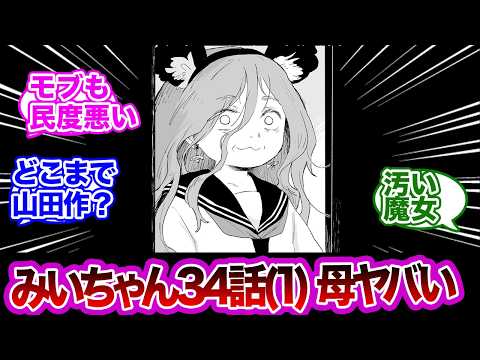
▶ Watch the original YouTube video
Episode 34 of ‘Miichan and Yamada’ Marks a Turning Point: What Fans and Critics Are Saying
Episode 34 of the popular manga series “Miichan and Yamada” has sparked significant discussion among fans and critics. The episode’s subtitle, “We Must Fight,” signals a dramatic shift from lighthearted comedy to deeper emotional conflict, prompting analysis of what this transformation means for the series’ future direction.
What Happened
Episode 34 of “Miichan and Yamada,” serialized on Magazine Pocket (MagaPoke), has introduced a pivotal narrative shift. The episode’s subtitle, “We Must Fight” (戦わなければ), signals that the main characters are entering a new phase of their relationship. Rather than continuing with the comedic, everyday interactions that defined earlier episodes, the story now focuses on internal emotional conflict and the characters’ struggle to confront their true feelings.
The episode marks a departure from the series’ established tone, moving from light romance and humor toward a more serious exploration of human relationships and personal growth. This transition has generated widespread discussion across social media platforms and fan communities, with readers debating the implications of this narrative direction.
Why It Matters
“Miichan and Yamada” has built a substantial following through its portrayal of realistic character dynamics and emotional authenticity. Episode 34’s shift toward deeper psychological exploration reflects a broader trend in manga and anime toward prioritizing character development and relationship complexity over plot-driven narratives.
This evolution is significant because it demonstrates how long-running serialized works can deepen their engagement with audiences by moving beyond surface-level entertainment. The episode’s approach—focusing on internal conflict rather than external drama—resonates with readers seeking more nuanced storytelling that mirrors real human experiences.
Background
“Miichan and Yamada” is a romance comedy series that has developed a dedicated fanbase through its portrayal of two characters navigating their relationship within the context of everyday school life. The series has maintained a balance between humor and emotional depth, gradually building toward more significant character moments.
The series began serialization on Magazine Pocket several months before gaining widespread recognition. Over the course of its run, the work has evolved from a straightforward romantic comedy into a more complex exploration of how two people develop understanding and emotional connection. Episode 34 represents a culmination of this gradual evolution, introducing a moment where characters must confront their feelings directly rather than through comedic deflection.
Key Points
- Narrative Shift: Episode 34 marks a transition from comedic daily interactions to serious emotional confrontation, with the subtitle “We Must Fight” signaling internal psychological conflict rather than external conflict.
- Character Development: Both main characters face the necessity of confronting their true feelings and internal struggles, representing a maturation of their relationship dynamic.
- Tonal Change: The episode moves from lighthearted comedy toward a more sincere and emotionally tense atmosphere, reflecting the characters’ internal states.
- Relationship Redefinition: The episode suggests that the characters’ relationship is evolving beyond simple companionship toward something more complex and emotionally significant.
- Creator’s Intent: The shift indicates that the series is deliberately moving away from pure entertainment toward exploring the fundamental nature of human relationships.
- Fan Reception: Reactions have been mixed, with some praising the narrative evolution while others express concern about the pace of change.
Timeline
- Series Launch: “Miichan and Yamada” begins serialization on Magazine Pocket, establishing itself as a romance comedy with strong character dynamics.
- Early Episodes (1-10): Foundation-building phase where readers become familiar with the characters’ personalities and their everyday interactions.
- Mid-Series Development (11-33): Gradual deepening of the relationship between the two main characters, with increasing emotional stakes beneath the comedic surface.
- Episode 34: A turning point where the series explicitly shifts toward confronting emotional truth and internal conflict.
- Anticipated Future Episodes (35+): Expected to explore how the characters navigate their newfound emotional awareness and evolving relationship.
Perspectives
Enthusiastic Supporters: Many fans have responded positively to Episode 34, viewing it as a natural and necessary evolution of the story. Comments such as “Finally, it’s happening” and “This timing and development is perfect” reflect readers who have anticipated this shift and appreciate the series’ willingness to deepen its emotional complexity.
Cautious Observers: Some readers have expressed concern about the pace of change, with comments like “Isn’t the development happening too quickly?” and “I expected this to progress more slowly.” These viewers worry that the shift might disrupt the balance that made the series appealing.
Character-Focused Analysts: Fan discussions on Magazine Pocket’s comment section reveal that many readers are engaging with the episode as a character study. Questions about “What is Yamada really thinking?” and “What are Miichan’s true feelings?” indicate that audiences are analyzing the psychological dimensions of the characters’ behavior rather than simply following plot progression.
Industry Perspective: From a broader manga industry standpoint, Episode 34 exemplifies a contemporary trend toward prioritizing relationship depth and character psychology over dramatic plot twists. This approach aligns with successful recent works that have built long-term reader loyalty through emotional authenticity rather than shock value.
Insights
Episode 34 of “Miichan and Yamada” represents a deliberate creative choice to move beyond surface-level entertainment toward exploring the fundamental complexities of human relationships. The episode’s subtitle, “We Must Fight,” is not about external conflict but rather the internal struggle of confronting one’s true emotions and desires.
This narrative approach reflects a significant shift in how contemporary manga addresses romance and relationships. Rather than pursuing simple resolutions or dramatic confrontations, the series chooses to depict the quieter, more psychologically nuanced work of emotional honesty. This mirrors real human experience more closely than traditional plot-driven narratives.
The diverse fan reactions to Episode 34 demonstrate that the series successfully appeals to multiple reader demographics—those seeking pure entertainment, those interested in character development, and those exploring deeper questions about human connection. The episode’s ability to generate meaningful discussion across these different audience segments suggests that the creator has successfully balanced accessibility with emotional depth.
Looking forward, the series appears positioned to explore how the characters navigate their newfound emotional awareness. The creator’s demonstrated skill in maintaining tonal balance between lightness and depth suggests that future episodes will continue to develop the characters’ relationship in psychologically realistic ways rather than rushing toward conventional romantic resolutions.
The significance of Episode 34 extends beyond the immediate narrative. It demonstrates how serialized manga can evolve over time, deepening their engagement with audiences by gradually introducing greater emotional complexity. For readers and industry observers, this episode serves as a case study in how long-running works can maintain reader interest through character-driven storytelling that prioritizes authenticity over spectacle.