▶ Watch the original YouTube video
How Uma Musume’s Mini Character Culture Is Redefining Fan Engagement and Parasocial Relationships
Uma Musume Pretty Derby’s miniaturized character system has become the centerpiece of fan culture, fundamentally transforming how players engage with their favorite characters. Through customization, animation quality, and community interaction, the game’s mini characters represent a new evolution in mobile gaming fandom—one that prioritizes emotional intimacy over visual spectacle.
What Happened
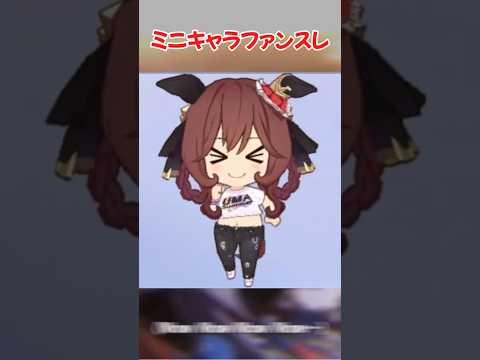
Uma Musume Pretty Derby, developed by Cygames, has cultivated an unexpectedly powerful fan culture centered around “mini characters” (chibi-style versions of the game’s horse girl characters). Fan threads and social media discussions reveal overwhelmingly positive reactions to these simplified character designs, which feature detailed animations, customizable outfits, and interactive home screen elements. The phenomenon has grown so significant that mini characters have become the primary driver of fan engagement, surpassing traditional high-resolution artwork and promotional content in terms of community discussion and emotional investment.
Why It Matters
This shift represents a fundamental change in how mobile games approach character design and fan retention. Rather than competing on graphical fidelity—a race that had reached saturation by the early 2020s—Uma Musume leveraged simplicity as a strategic advantage. The mini character system demonstrates that emotional connection and customization opportunities can outweigh visual complexity in driving sustained fan engagement. For the broader gaming industry, this challenges the assumption that higher resolution and more detailed graphics are prerequisites for player attachment, opening new possibilities for game design and fan culture evolution.
Background
Uma Musume Pretty Derby launched in 2021 as a mobile game featuring anthropomorphized racehorses competing in a competitive racing narrative. The game’s home screen features animated mini character versions of each horse girl, initially intended as a secondary visual element. However, beginning in mid-2022, Cygames significantly expanded the mini character system with enhanced animations, outfit customization options, and increased screen time. By early 2023, the implementation of a dedicated outfit-changing system allowed players to customize their favorite characters’ appearances, transforming mini characters from decorative elements into central gameplay features.
The timing coincided with industry-wide recognition that smartphone gaming had reached a graphical plateau. High-resolution graphics consume significant battery power and processing resources, creating friction for casual players. Simultaneously, fan psychology research indicated that emotional intimacy—rather than visual perfection—drives long-term engagement in character-focused games.
Key Points
- Mini characters dominate fan discourse: Social media hashtags like #ちびウマ娘 (chibi Uma Musume) generate hundreds of daily posts, with overwhelmingly positive sentiment focused on cuteness, customization, and emotional attachment.
- Customization creates ownership: The outfit-changing system allows players to personalize their characters, transforming passive consumption into active co-creation and deepening emotional investment.
- Psychological distance optimization: Mini characters occupy a “sweet spot” between idealized perfection and relatable intimacy, creating stronger parasocial bonds than high-resolution artwork alone.
- Community activation: Mini character discussions unify diverse fan segments—from casual players to serious collectors—creating cohesive community identity around shared aesthetic appreciation.
- Industry differentiation: Unlike competitors (Idolmaster Cinderella Girls, Love Live School Idol Festival, Granblue Fantasy), Uma Musume positioned mini characters as the primary engagement mechanism rather than supplementary content.
- Democratization of fandom: Players report that mini character engagement lowered barriers to entry for fan participation, making “fan culture” accessible to casual players who might not engage with traditional fan art or merchandise.
Timeline
- Spring 2021: Uma Musume Pretty Derby launches with basic mini character animations on home screen.
- Mid-2022: Cygames begins significant expansion of mini character animation quality and screen presence.
- Early 2023: Outfit customization system implemented, allowing players to change mini character clothing and appearance.
- 2023-Present: Mini character content dominates fan communities; merchandise sales expand; community engagement reaches peak levels.
Perspectives
The Fan Perspective: Community responses emphasize emotional connection and daily engagement. Players describe mini character interactions as providing consistent happiness, with some reporting they play primarily to interact with customized versions of their favorite characters. The customization system is praised for enabling “personal” relationships with characters, where outfit choices reflect individual aesthetic preferences and deepen attachment.
The Industry Perspective: Game developers view Uma Musume’s success as validation for a design philosophy prioritizing emotional intimacy over technical spectacle. The mini character system represents efficient resource allocation—simplified character models require less processing power while delivering superior engagement metrics compared to high-fidelity alternatives.
The Critical Perspective: Some community members argue that excessive focus on mini characters comes at the expense of narrative content and gameplay depth. Additionally, the commercialization of mini character merchandise—sold at premium prices—raises questions about whether the “democratization of fandom” rhetoric masks underlying economic gatekeeping.
The Psychological Perspective: The mini character phenomenon reflects activation of protective instincts triggered by “cute” aesthetics combined with customization agency. Players experience a psychological shift from passive admiration (high-resolution artwork) to active caretaking (outfit selection and daily interaction), transforming fan engagement from consumption to stewardship.
Insights
Uma Musume’s mini character culture represents a maturation of mobile gaming fandom, demonstrating that emotional authenticity and player agency matter more than technical polish. The system succeeds because it addresses a fundamental human need: the desire to nurture and personalize relationships with idealized figures. By providing customization tools and daily interaction opportunities, the game transforms parasocial relationships from one-directional admiration into something resembling reciprocal care.
The broader implication extends beyond Uma Musume. As the gaming industry confronts diminishing returns on graphical competition, the mini character model offers a template for sustainable engagement: prioritize emotional intimacy, enable player creativity, and create spaces for community identity formation. This approach may prove more resilient than traditional graphics-focused strategies, particularly as mobile gaming becomes increasingly mainstream and diverse in player demographics.
However, the commercialization trajectory warrants monitoring. If mini character engagement becomes primarily a vehicle for premium merchandise sales, the “democratization” narrative may prove hollow. The long-term sustainability of this culture depends on maintaining genuine player agency and community-driven content creation alongside commercial expansion.
For players new to Uma Musume, the mini character system represents an entry point into a thriving community where emotional expression and aesthetic personalization are celebrated. The culture demonstrates that fandom’s future may lie not in chasing technical perfection, but in creating meaningful spaces for players to express affection for characters they care about.