▶ Watch the original YouTube video
Super Kaguya Hime Switch Sparks Debate: How Pachinko Culture Became a Nintendo Game
The release of Super Kaguya Hime Switch—a Nintendo adaptation of a classic pachinko machine—has ignited passionate debate across gaming communities. With over 15 years of game analysis experience, we examine why this nostalgic title resonates with some players while raising questions about the viability of translating arcade gambling culture to modern gaming platforms.
What Happened
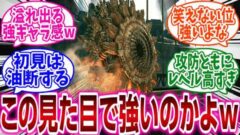
Super Kaguya Hime, a legendary pachinko machine from the 2000s golden age of arcade gambling in Japan, has been adapted into a Nintendo Switch game. The release has generated significant online discussion, with reactions ranging from nostalgic enthusiasm to skepticism about whether the core appeal of pachinko can translate to a home gaming experience.
Why It Matters
This release represents a broader trend in gaming: the revival of nostalgic properties and the intersection of declining arcade culture with mainstream gaming platforms. As the pachinko industry faces decline, publishers are attempting to preserve its cultural legacy while introducing it to new audiences. The game’s reception offers insights into how gaming communities value nostalgia, authenticity, and cultural continuity in an era of rapid industry change.
Background
Super Kaguya Hime was a cultural phenomenon during Japan’s pachinko boom of the 2000s, representing more than just a gambling machine—it was a social icon that defined an era. Pachinko machines like this one created a unique blend of mechanical gameplay and financial excitement that captivated millions. With the pachinko industry now in decline, game publishers have begun exploring how to preserve these cultural artifacts through digital adaptation.
Pachinko-themed games are not new. Early 2000s PC-based pachinko simulators existed, but most failed commercially because they struggled to replicate the core thrill of actual pachinko play: the combination of monetary stakes and mechanical unpredictability. Super Kaguya Hime Switch takes a different approach, prioritizing nostalgia and accessible gameplay mechanics over complete authenticity.
Key Points
- Cultural Bridge: The game represents an attempt to preserve pachinko culture as the industry declines, translating a gambling experience into a home gaming format.
- Divided Reception: Online reactions split into three distinct groups: former pachinko players seeking nostalgia, younger gamers curious about the experience, and skeptics questioning whether the adaptation captures the original appeal.
- Faithful Mechanics: The game faithfully reproduces pachinko machine mechanics, allowing players to experience the original gameplay in their homes.
- Pricing Debate: Significant discussion surrounds whether the content justifies the price point, particularly for players unfamiliar with pachinko culture.
- Broader Trend: The release exemplifies the gaming industry’s growing interest in reviving nostalgic properties, following successes like Super Mario Bros. Wonder and The Legend of Zelda: Tears of the Kingdom.
- Authenticity Challenge: Core questions remain about whether a video game can authentically reproduce the psychological and financial excitement central to pachinko’s appeal.
Perspectives
Nostalgic Players: Former pachinko enthusiasts express genuine emotional responses, describing the game as allowing them to relive a formative period of their lives. Comments like “those days have returned” reflect deep longing for a lost era rather than simple nostalgia.
New Gamers: Younger players unfamiliar with pachinko culture question the fundamental appeal of the game. They ask why a gambling machine mechanic would interest modern gamers and whether the experience offers sufficient depth as a standalone game.
Technical Enthusiasts: Gaming forums host detailed discussions about the accuracy of the random number generation system, expected value calculations, and how closely the digital version matches the original machine’s behavior. These conversations reveal a desire for “authenticity” among dedicated fans.
Cultural Critics: Some commenters question whether translating pachinko—fundamentally a game designed to exploit psychological appeal and financial excitement—into a home game format fundamentally compromises its essence. They argue that without real monetary stakes, the core appeal disappears.
Analysis: The Pachinko-to-Gaming Translation Problem
Pachinko and video games operate on fundamentally different psychological principles. Pachinko derives its appeal from monetary excitement and mechanical unpredictability—the player’s emotional investment is tied to financial risk. Video games typically provide satisfaction through narrative, mechanical depth, and progression systems.
Using a five-point evaluation framework—originality, immersion, replayability, accessibility, and value proposition—Super Kaguya Hime scores high on nostalgia but faces challenges in accessibility for newcomers and perceived value relative to its price. The game succeeds as a cultural artifact but struggles as a standalone gaming experience for audiences without pachinko familiarity.
Comparable adaptations, such as Hokuto no Ken (Fist of the North Star) games, faced similar challenges: existing fans and new audiences had fundamentally different expectations. However, Hokuto no Ken benefited from a powerful source IP (the original manga), whereas Super Kaguya Hime’s IP is the pachinko machine itself—a more culturally specific and potentially limiting foundation.
Practical Guidance for Potential Players
For Former Pachinko Players: This game offers clear value. The emotional satisfaction of revisiting a formative experience transcends monetary calculation. If you played the original machine, the purchase is likely worthwhile.
For Nostalgic Gamers: Watch gameplay videos on YouTube before purchasing. Pachinko game appeal is difficult to assess without seeing it in action. Many nostalgic revivals appear interesting in videos but disappoint during actual play.
For Modern Gamers Seeking Innovation: This title may not meet your expectations. Games like The Legend of Zelda: Tears of the Kingdom or Splatoon 3 offer more innovative gameplay experiences aligned with contemporary gaming preferences.
Recommended Context: Watching pachinko-related documentaries before playing enhances understanding and enjoyment. Cultural context significantly improves the experience, similar to how reading the original Hokuto no Ken manga deepens appreciation for its game adaptations.
Insights
Super Kaguya Hime Switch represents a fascinating case study in cultural translation and the limits of nostalgia-driven game design. The project demonstrates both the potential and challenges of preserving arcade culture in the digital age.
The game’s success depends entirely on audience expectations. For players seeking to reconnect with a lost era, it delivers genuine value. For those expecting innovative gameplay, it falls short. This division reflects a broader industry question: can nostalgia alone sustain a game’s appeal, or must it be paired with contemporary design innovation?
If Super Kaguya Hime succeeds commercially, expect a wave of similar pachinko adaptations. The critical variable will be whether future releases rely solely on nostalgia or attempt to synthesize classic mechanics with modern game design principles. The most successful outcome would transform this “return to the past” into creative energy for new experiences rather than mere preservation.
Ultimately, Super Kaguya Hime exemplifies gaming’s evolving relationship with its own history. It asks whether cultural artifacts can be meaningfully translated across mediums, and whether the essence of an experience survives such translation. The answer, as online reactions demonstrate, depends entirely on what players bring to the experience themselves.