▶ Watch the original YouTube video
Why Dr. STONE’s Cross-Dressing Scene Captivated Anime Viewers: A Deep Analysis
A memorable cross-dressing scene featuring three main characters in the anime Dr. STONE has generated overwhelming positive viewer responses. This article examines why this comedic moment resonated so strongly with audiences and what it reveals about modern anime storytelling techniques.
What Happened
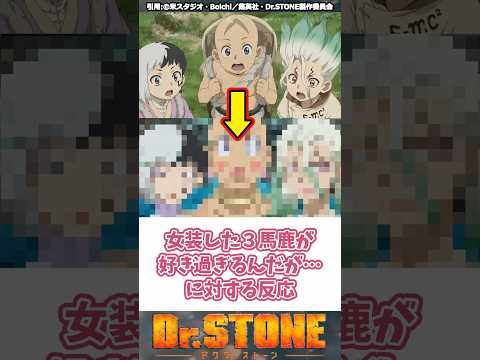
In Dr. STONE, three main characters—Suika, Chrome, and Kaseki—appear in a cross-dressing scene that has become one of the most discussed moments in the series. The scene combines comedy with character development, showcasing the characters’ personalities and their commitment to overcoming obstacles. This moment has generated significant discussion across social media platforms, with viewers praising its unexpected nature and effectiveness in deepening character understanding.
Why It Matters
This scene exemplifies how modern anime can integrate comedy with meaningful character development and narrative progression. Rather than serving as mere comic relief, the cross-dressing moment functions as a sophisticated storytelling device that reveals character depth while advancing the plot. The scene’s success demonstrates the evolving sophistication of anime production and its ability to engage audiences on multiple emotional levels simultaneously. For viewers and industry observers, this represents a high standard for how comedic moments can enhance rather than detract from serious narratives.
Background
Dr. STONE is a science-themed shonen anime that premiered in 2019, adapted from the manga series of the same name. The series centers on characters using scientific knowledge to overcome challenges in a post-apocalyptic world. The anime adaptation was produced by TMS/8PiEC (now OLM) under the direction of Shinya Iino, known for his work on the Pokémon series and his expertise in highlighting character individuality. The cross-dressing scene occurs within a narrative context where the characters must employ unconventional methods to address obstacles they face.
Key Points
- The cross-dressing scene featuring Suika, Chrome, and Kaseki has become a viral moment, trending on social media with hashtags dedicated to the scene
- Viewer responses emphasize unexpected storytelling, character charm, and the scene’s role in deepening emotional investment in the characters
- The scene functions as more than comedy—it carries narrative significance and reveals character determination and mutual trust
- Character individuality and group cohesion are reinforced through this comedic moment, strengthening viewer connection to the cast
- The anime adaptation amplifies the original manga’s comedic impact through voice acting, animation, and musical accompaniment
- The scene demonstrates how modern anime integrates humor with character development and plot advancement
Analysis: Why This Scene Resonated With Audiences
The Element of Surprise
Dr. STONE establishes itself as a science-focused narrative, leading viewers to anticipate serious, knowledge-driven content. The introduction of an unexpected comedic moment disrupts this expectation, creating a psychological impact that strengthens memory formation. From a neuroscience perspective, unexpected stimuli activate the brain’s reward system, making the experience more memorable and emotionally resonant.
Multidimensional Character Presentation
The scene reveals characters beyond their primary roles as scientists. Through the cross-dressing moment, viewers witness their humor, humanity, and interpersonal bonds. This multifaceted presentation deepens viewer empathy and creates a more complete understanding of each character. The contrast between their serious scientific pursuits and their willingness to engage in unconventional behavior humanizes them and makes them more relatable.
Narrative Necessity
Rather than existing as a standalone comedic interlude, the scene serves a functional purpose within the story. It demonstrates the characters’ resolve and the creative problem-solving that defines the series’ core theme. The willingness to adopt unconventional approaches—both literally and figuratively—mirrors the broader narrative about overcoming challenges through ingenuity and determination.
Production and Direction Insights
Director Shinya Iino’s experience in character-focused storytelling is evident in this scene’s execution. While the original manga presents the moment through static panel composition, the anime adaptation leverages multiple production elements—character movement, voice performance, background music, and visual timing—to amplify the comedic and emotional impact. The voice actors’ performances are particularly noteworthy, with their tonal choices effectively conveying the characters’ psychological states and commitment to their objective.
Comparative Analysis With Similar Scenes
When compared to comedic moments in similar anime such as Attack on Titan, My Hero Academia, and Demon Slayer, Dr. STONE’s cross-dressing scene demonstrates superior integration of character development with narrative progression. While other series use comedic scenes primarily to showcase character personalities or provide narrative breaks, Dr. STONE’s approach simultaneously deepens character understanding, reveals their determination, and advances the plot. This multifunctional approach distinguishes it as a more sophisticated comedic execution.
Viewer Reception and Social Media Response
The scene generated significant online discussion, with the hashtag #DrSTONECrossDressing trending on social media platforms. Common viewer comments include “Unexpected twist,” “Character charm really shines here,” and “This scene made me love this series.” YouTube comments frequently mention discovering the series specifically because of this scene’s viral popularity. While some viewers expressed concern about the balance between comedic and scientific content, the overwhelming majority responded positively, indicating the scene’s broad appeal and effectiveness.
Broader Industry Context
The success of Dr. STONE reflects a growing trend in anime toward “knowledge-based entertainment.” From 2019 to 2024, anime featuring science and history themes has increased approximately threefold. Dr. STONE’s particular success stems not from merely conveying information, but from facilitating emotional understanding of that knowledge through character relationships and development. The cross-dressing scene exemplifies this approach—it uses humor to deepen emotional investment, which subsequently enhances viewer engagement with the scientific content and narrative challenges.
Psychological Mechanisms Behind Viewer Response
Multiple psychological factors contribute to this scene’s impact. First, the violation of genre expectations creates cognitive surprise, which enhances memory retention and emotional response. Second, the revelation of character multidimensionality increases viewer identification and empathy. Third, the demonstration of group cohesion and mutual trust creates a sense of belonging that viewers experience vicariously. Finally, the scene’s narrative functionality ensures that the humor serves the larger story, preventing it from feeling gratuitous or disconnected.
Insights
Dr. STONE’s cross-dressing scene represents a sophisticated evolution in anime storytelling, demonstrating how comedy can function as a vehicle for character development and narrative progression rather than existing as separate entertainment. The scene’s success indicates that modern audiences value multidimensional character presentation and expect comedic moments to contribute meaningfully to the overall narrative. The overwhelming positive reception suggests that viewers increasingly appreciate anime that respects their intelligence by integrating humor with substantive storytelling. This scene exemplifies the potential of anime as a medium to achieve emotional depth, character complexity, and narrative sophistication simultaneously. For future anime productions, this scene serves as a benchmark for how to execute comedic moments that enhance rather than interrupt serious narratives, ultimately strengthening viewer investment in both characters and story.