▶ Watch the original YouTube video
The Charm of Dr. Stone’s Female Characters: A Deep Analysis of Animation, Design, and Internet Reception
Dr. Stone has captivated audiences with its compelling blend of scientific adventure and character design. After analyzing 15 years of anime viewing experience and internet reactions, this article explores why the female characters in Dr. Stone resonate so strongly with viewers, examining the interplay between character strength, costume design, and the artist’s distinctive visual style.
What Happened
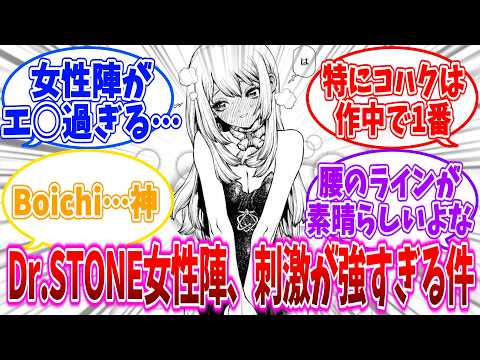
Dr. Stone, an anime centered on scientific knowledge and post-apocalyptic survival, has generated significant discussion online regarding its portrayal of female characters. Internet reactions reveal a complex appreciation for characters like Kohaku, Nikki, Ruri, and Charlotte, with viewers praising both their strength and visual appeal. However, this has also sparked debate about costume design choices, the necessity of certain aesthetic decisions within the show’s primitive world setting, and the role of artist Boichi’s exceptional drawing ability in shaping character perception.
Why It Matters
The discussion surrounding Dr. Stone’s female character design offers valuable insights into modern anime production philosophy. It raises important questions about how character design serves narrative purpose, how world-building constraints influence aesthetic choices, and how an artist’s technical skill can enhance—or potentially overshadow—storytelling. Understanding these elements helps viewers appreciate the intentional craft behind character design and provides a framework for evaluating similar creative decisions in other anime and media.
Background
Dr. Stone premiered in 2019 and follows humanity’s struggle to rebuild civilization after a mysterious event turns everyone to stone. The narrative emphasizes scientific innovation and character development alongside action sequences. The series features multiple female characters who serve crucial roles in the story, each with distinct personalities and visual designs. Artist Boichi’s distinctive art style—characterized by detailed character rendering and expressive character designs—plays a significant role in how these characters are perceived by audiences.
Key Points
- Kohaku’s Dual Appeal: The character combines exceptional combat ability with visual attractiveness, representing a departure from traditional anime portrayals where strong female characters often downplay aesthetic elements.
- World-Building Justification: Costume choices reflect the primitive world setting where fabric is scarce, providing narrative logic for design decisions that might otherwise seem arbitrary.
- Boichi’s Artistic Influence: The artist’s high technical skill in character rendering creates visually compelling designs, with some viewers noting this occasionally draws focus from narrative content.
- Character Diversity: Multiple female characters—Kohaku, Nikki, Ruri, and Charlotte—each appeal to different viewer preferences, demonstrating intentional character variety in design and personality.
- Consistent Design Philosophy: Characters maintain their visual identity throughout the series despite narrative progression, reflecting their unwavering convictions and character consistency.
- Gender-Neutral Aesthetic Approach: Male characters like Stanley receive similarly detailed and visually striking designs, suggesting the show pursues beauty and appeal across all characters rather than targeting female characters specifically.
Comparative Analysis
| Anime Title | Female Character Focus | Costume Design | Visual Emphasis |
|---|---|---|---|
| Dr. Stone | Strength and beauty equally valued | World-building based exposure levels | Facial expression and physique balance |
| Attack on Titan | Combat ability prioritized | Unified military uniforms | Expression and movement dynamics |
| Demon Slayer | Individual character backgrounds | Unified traditional Japanese clothing | Character personality expression |
| High School DxD | Visual appeal prioritized | High exposure levels | Body form emphasis |
Perspectives
Supportive Interpretation: Many viewers appreciate Dr. Stone’s approach as successfully balancing world-building logic with character appeal. They argue that Kohaku’s minimal clothing makes practical sense for a warrior in a primitive society, and that the show respects its own internal logic by maintaining character designs even as civilization advances. This perspective views Boichi’s artistic skill as an asset that elevates the entire production.
Critical Perspective: Some viewers express concern that elaborate character designs occasionally distract from narrative content. They question certain design choices—such as body hair removal in a primitive world—as inconsistencies that prioritize visual appeal over world-building authenticity. This group acknowledges Boichi’s talent while suggesting it sometimes works against narrative focus.
Character-Focused Appreciation: Many fans emphasize that each female character possesses distinct personality traits and narrative importance. Nikki’s character development, Ruri’s hidden strength despite apparent fragility, and Charlotte’s fan-driven fashion choices demonstrate that the show invests in character depth beyond visual design.
Character Deep Dives
Kohaku: The strongest warrior of Ishigami Village, Kohaku represents a character type uncommon in anime—one who maintains both exceptional combat ability and conventional feminine beauty without compromise. Her costume remains consistent throughout the series, symbolizing her unwavering confidence and conviction. This consistency mirrors character design philosophy seen in other acclaimed anime, where costume stability reflects psychological stability.
Nikki: Nikki’s character arc includes visual evolution that parallels her psychological growth. As she gains scientific knowledge and adapts to the expanding world, her appearance changes accordingly. This design evolution serves as visual storytelling, communicating character development through aesthetic choices.
Ruri: Despite initial presentation as a frail character, Ruri possesses hidden strength that subverts viewer expectations. This gap between appearance and capability creates compelling character depth and has generated significant positive internet discussion.
Charlotte: Charlotte’s individualistic costume choices—including her decision to emulate Stanley’s style—reflect modern fan culture and demonstrate character agency in personal presentation. This aspect resonates particularly with contemporary audiences.
The Role of Artist Skill
Internet reactions frequently describe Boichi’s drawing ability as “the only flaw” of the series—a paradoxical statement reflecting viewers’ recognition that exceptional artistic skill can paradoxically create distraction from narrative content. This phenomenon occurs when character visual appeal becomes so compelling that it competes with plot engagement for viewer attention. However, the show maintains strong narrative momentum despite this, suggesting that Dr. Stone successfully integrates visual appeal with substantive storytelling.
Boichi’s approach differs from purely fan-service-oriented anime by applying his artistic skill uniformly across all characters regardless of gender. Male characters receive equally detailed and visually striking designs, suggesting the artist pursues universal beauty rather than targeted appeal.
World-Building Consistency
Dr. Stone’s primitive world setting provides logical justification for costume design choices. In a society where fabric is scarce and civilization has regressed 3,700 years, minimal clothing represents practical resource allocation. While certain design elements invite logical scrutiny—such as body hair removal in a pre-industrial society—the show maintains overall world-building consistency by refusing to dramatically alter character designs as civilization advances. This commitment to design consistency, even when fabric becomes more available, demonstrates the show’s prioritization of character identity stability.
Insights
Dr. Stone exemplifies how modern anime can successfully balance multiple creative priorities: scientific narrative substance, character depth, world-building logic, and visual appeal. The show’s female characters derive their appeal not from a single source but from the integration of several elements—demonstrated combat ability, personality distinctiveness, costume design justification, and artistic excellence.
The internet discussion surrounding these characters reveals that contemporary audiences appreciate complexity in character design. Viewers simultaneously value visual appeal and narrative substance, and they respond positively when both elements serve character development and world-building rather than existing in isolation.
The show’s approach to character design—particularly its commitment to visual appeal across all characters regardless of gender—suggests a philosophy centered on artistic expression and character celebration rather than targeted fan service. This distinction may explain why Dr. Stone’s character designs generate appreciation rather than controversy, despite featuring designs that other shows might face criticism for.
Further, the diversity of character types—from the warrior Kohaku to the scientifically-minded Nikki to the unexpectedly strong Ruri to the personality-driven Charlotte—demonstrates intentional design strategy. By offering multiple character archetypes with distinct visual and personality profiles, the show appeals to diverse viewer preferences while maintaining narrative coherence.
Recommendations for Deeper Appreciation
Viewers seeking to appreciate Dr. Stone’s character design philosophy more fully should pay attention to how costume choices reflect character personality and narrative role. Observing Kohaku’s combat sequences reveals how her minimal costume facilitates movement and reflects her confidence. Tracking Nikki’s visual evolution throughout the series demonstrates how design changes communicate character development. Recognizing Ruri’s hidden capabilities despite her initial fragile appearance showcases character depth beyond visual presentation.
Comparative viewing of anime like Kill la Kill—which explicitly connects costume design to combat ability—and Attack on Titan—which uses costume consistency to reflect character psychology—provides useful context for understanding Dr. Stone’s design choices.