▶ Watch the original YouTube video
Why JoJo Part 7: Steel Ball Run’s Most Iconic Scenes Resonate So Deeply With Fans
Steel Ball Run (SBR), the seventh installment of JoJo’s Bizarre Adventure, has become a cultural touchstone for anime and manga fans worldwide. A deep analysis of fan reactions reveals that the series’ most beloved moments—from the relationship between Johnny and Gyro to the philosophical complexity of the President—stem from its unique exploration of dignity, growth, and the journey from despair to redemption.
What Happened
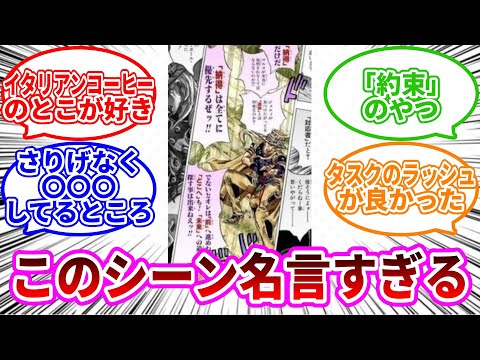
A comprehensive video compilation of fan reactions to Steel Ball Run’s most memorable scenes has sparked widespread discussion about why this particular arc resonates so profoundly with audiences. The video highlights beloved moments including the partnership between Johnny Joestar and Gyro Zeppeli, everyday scenes like Gyro’s Italian coffee ritual, the final confrontation with the President, and Johnny’s evolution as a character. Fan comments reveal deep emotional connections to these scenes, with viewers expressing how specific moments have left lasting impressions on them.
Why It Matters
Steel Ball Run represents a significant departure from previous JoJo installments. Unlike earlier parts that centered on the Joestar bloodline, SBR introduces an entirely new setting and protagonist. The series’ thematic focus on “moving from negative to zero”—depicting a character’s journey from complete despair toward recovery—offers a universal narrative that speaks to human experiences of loss and redemption. Understanding why fans connect so deeply with SBR provides insight into what makes storytelling emotionally impactful across different media formats.
Background
Steel Ball Run began serialization in 2008 and follows Johnny Joestar, a former professional jockey who becomes paralyzed after a tragic accident. Desperate to regain the use of his legs, Johnny enters a cross-continental horse race called the Steel Ball Run, where he meets Gyro Zeppeli, an Italian executioner with mastery over rotational energy. Together, they pursue the mysterious Saint’s Corpse, which Johnny believes can restore his mobility. The narrative explores themes of personal growth, moral ambiguity, and the transformation from selfish motivation to selfless action.
Key Points
- The Johnny-Gyro Partnership: Fans identify the relationship between Johnny and Gyro as the emotional core of SBR, with their dynamic representing mutual growth rather than simple companionship. The moment where Gyro says “If you hesitate, don’t shoot. But I have no hesitation now” is widely cited as a turning point where Gyro acknowledges Johnny’s development.
- Everyday Scenes as Character Development: Mundane moments, particularly Gyro’s description of his Italian coffee ritual, function as philosophical expressions of character rather than mere breaks from action. These scenes deepen the narrative’s emotional resonance and establish the bond between the protagonists.
- The President’s Moral Complexity: The final antagonist is not a simple villain but a character operating from his own sense of justice. This creates narrative ambiguity that lingers with viewers, as some question whether the President’s methods were ultimately more justified than Johnny’s selfish initial motivations.
- Johnny’s Transformation: The protagonist’s journey from selfish desperation to genuine growth represents a departure from traditional hero narratives. Johnny doesn’t become perfect; he becomes someone capable of acting beyond self-interest while maintaining his flawed humanity.
- Dignity Through Recovery, Not Destruction: Unlike earlier JoJo parts that emphasize the destruction and reclamation of dignity, SBR focuses on constructing new forms of dignity from the ground up. This thematic shift resonates with audiences seeking stories about rebuilding rather than revenge.
- The Concept of “Conviction”: Gyro’s repeated emphasis on “conviction” (“I want to be satisfied”) becomes a philosophical anchor for the narrative. Fans respond to this focus on personal understanding and acceptance as a counterpoint to external validation.
Timeline
- 2008: Steel Ball Run begins serialization; initial audience response shows confusion due to departure from established Joestar lineage.
- Early Arc: Johnny and Gyro meet and establish their partnership; Gyro introduces Johnny to rotational energy techniques.
- Mid-Series: Johnny’s Stand ability (Tusk) evolves in parallel with his psychological growth; everyday moments build emotional foundation.
- Final Arc: Confrontation with the President reveals the moral complexity underlying the entire narrative; Johnny’s final choice demonstrates his transformation.
- Post-Series: Continuation in Part 8 (JoJolion) reveals consequences of Johnny’s choices, adding retrospective depth to SBR’s ending.
Perspectives
Positive Interpretations: Many fans celebrate SBR as the franchise’s masterpiece, praising the relationship between Johnny and Gyro as superior to comparable partnerships in other anime and manga. They highlight the series’ ability to blend action with philosophical depth, noting that everyday scenes enhance rather than interrupt the narrative momentum. The emotional impact of Gyro’s departure and the series’ exploration of dignity resonate as particularly meaningful.
Critical Perspectives: Some viewers express ambivalence about the moral framework, noting that Johnny’s ultimate use of the Saint’s Corpse in Part 8 creates narrative tension with the President’s ideology. This observation doesn’t diminish the work but rather highlights its complexity—the series intentionally presents moral questions without clear answers. Other viewers question specific character logic, such as Johnny’s ability to operate horses despite paralysis, though this critique overlooks the narrative’s emphasis on psychological rather than purely physical recovery.
Comparative Analysis: When compared to contemporary works like Attack on Titan, Demon Slayer, and Code Geass, SBR distinguishes itself through its integration of daily life into character development. While other series use everyday scenes for world-building exposition, SBR employs them as direct expressions of character philosophy, creating a more cohesive narrative experience.
Insights
Steel Ball Run’s enduring appeal stems from its commitment to depicting human complexity rather than heroic perfection. The series presents characters who operate from genuine conviction—whether Johnny’s initial selfishness or the President’s unwavering ideology—and explores how growth occurs not through abandoning one’s nature but through expanding one’s understanding of purpose.
The fan responses reveal a hunger for narratives that address universal human experiences: the struggle to recover from loss, the search for meaning, and the possibility of transformation through genuine connection with others. Gyro’s emphasis on “conviction” and Johnny’s journey from desperation to growth provide a framework for understanding these experiences that feels both specific to the story and broadly applicable to lived experience.
The series also demonstrates that moral ambiguity, when handled with narrative integrity, deepens rather than weakens emotional impact. The lingering questions about whether the President’s methods were justified, or whether Johnny’s final choices validate or contradict his growth, indicate that SBR trusts its audience to engage with complexity rather than seeking simple resolution.
Ultimately, Steel Ball Run succeeds because it refuses to separate action from philosophy, combat from daily life, or individual growth from relationship. This integration creates a narrative experience that viewers describe not merely as entertainment but as a source of personal guidance—a work that shapes how fans understand their own struggles and choices.