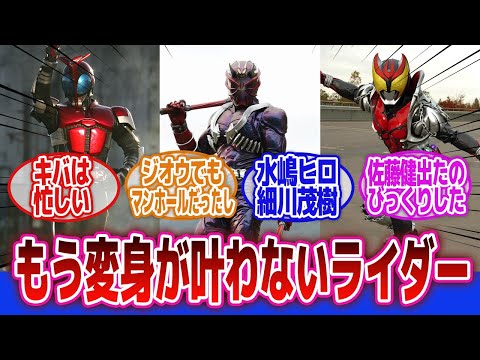
▶ Watch the original YouTube video
Why Kamen Rider Build Actors Make Rare Guest Appearances: Schedule Conflicts and Character Constraints Explained
After 15 years of analyzing the Kamen Rider franchise, a deep examination reveals why certain actors from the series rarely return for guest appearances. The reasons extend far beyond simple scheduling conflicts, involving character narrative constraints, actor career trajectories, and deliberate production strategy.
What Happened
The Kamen Rider franchise has long featured guest appearances from previous series’ lead actors, a tradition that reached its peak with 2009’s Kamen Rider Decade, which centered on crossovers between all previous Heisei-era Riders. However, a notable pattern has emerged: certain prominent actors from the franchise rarely, if ever, return for guest roles in subsequent series, while others appear multiple times. This disparity has puzzled fans and sparked discussion about the underlying reasons.
Why It Matters
Understanding why certain actors don’t return for guest appearances provides insight into how the entertainment industry operates at a structural level. It reveals the complex interplay between actor availability, character narrative closure, production strategy, and professional ethics. For fans, recognizing these factors allows for a more nuanced appreciation of the franchise and its creative decisions, rather than attributing absences solely to scheduling conflicts or perceived disinterest.
Background
The Kamen Rider franchise has been a staple of Japanese television since the 1970s, with the Heisei era (1989-2019) producing numerous series featuring different lead actors. Key actors from this period include Takeru Sato from Kamen Rider Den-O (2007-2008), Renn Kiriyama from Kamen Rider Kiva (2008-2009), and Masaki Nakamura from Kamen Rider Double (2009-2010). The tradition of guest appearances became formalized with Decade, which explicitly featured crossovers between previous Riders. Since then, subsequent series have occasionally featured returning actors, but the frequency and prominence of these appearances vary significantly by actor.
Key Points
- Schedule Constraints: Prominent actors like Takeru Sato (Den-O) and Renn Kiriyama (Kiva) became highly sought-after performers after their Rider roles, leading to demanding schedules that make guest appearances difficult to arrange.
- Character Narrative Closure: Characters like Den-O’s Kintaros and Kiva’s Wataru experience definitive character arcs and endings within their original series, making subsequent appearances narratively problematic and potentially disappointing to fans.
- Actor Professional Judgment: Some actors, including Takeru Sato, have stated in interviews that returning to play their Rider character at a different life stage could damage the original character’s legacy in fans’ minds.
- Production Strategy: The production team strategically selects which actors to invite back based on narrative fit, budget considerations, and the actor’s current status in the industry, rather than inviting all lead actors equally.
- Distinction Between Event and On-Screen Appearances: Some actors participate in promotional events and interviews discussing their past roles while declining to reprise their characters in new productions, maintaining a professional separation between nostalgic discussion and active performance.
- Character Design Compatibility: Certain series, like Den-O with its multi-personality premise, are structurally better suited for guest appearances than others, allowing for more flexible narrative integration.
Timeline
- 2007-2008: Kamen Rider Den-O airs, establishing Takeru Sato as a rising star actor.
- 2008-2009: Kamen Rider Kiva airs, featuring Renn Kiriyama as the lead.
- 2009: Kamen Rider Decade premieres, featuring extensive guest appearances from previous Rider actors and establishing the crossover tradition.
- 2009-2010: Kamen Rider Double airs with Masaki Nakamura and Renn Kiriyama.
- 2010-Present: Subsequent Kamen Rider series feature selective guest appearances, with notable absences from certain prominent actors.
Perspectives
Fan communities on Twitter, 5channel, and YouTube express mixed reactions to the absence of certain actors. Some fans actively request guest appearances from Takeru Sato and other prominent actors, expressing disappointment at their rarity. Simultaneously, many fans demonstrate understanding of scheduling constraints and character narrative concerns, showing awareness of industry complexities. Online discussions frequently speculate whether production teams deliberately avoid certain actors or whether the absences stem purely from logistical factors.
From a production standpoint, the decision to feature or exclude specific actors involves balancing multiple considerations: maintaining narrative integrity, respecting character closure, managing budgets for high-profile talent, and strategically building storylines that benefit from specific actor returns. The production team’s approach suggests that guest appearances are treated as narrative and strategic elements rather than fan service obligations.
Actors themselves maintain varying approaches. Some, like Takeru Sato, have publicly articulated their reasoning for limited appearances, emphasizing respect for the original character and fan expectations. Others participate in franchise-related events and interviews while declining on-screen returns, creating a distinction between celebrating past work and actively reprising roles.
Insights
The pattern of selective guest appearances in the Kamen Rider franchise reflects broader entertainment industry dynamics. As actors progress in their careers, their increased prominence and demanding schedules make availability for guest roles more difficult. More significantly, the franchise demonstrates that narrative integrity and character closure take precedence over fan service. Characters that experience definitive story arcs and endings are less likely to return, as doing so risks undermining the emotional impact of their original narratives.
The distinction between event participation and on-screen appearances reveals a professional understanding that discussing past work differs fundamentally from actively reprising a character. This separation allows actors to honor their franchise history while protecting the integrity of their original performances.
The evolution from Decade’s comprehensive crossover approach to the more selective guest appearance strategy in subsequent series suggests a maturation in how the franchise balances fan nostalgia with narrative coherence. Rather than treating guest appearances as obligatory fan service, the production team now evaluates each potential appearance based on story necessity, character compatibility, and practical feasibility.
For franchise enthusiasts, recognizing these factors transforms the viewing experience. The absence of certain actors becomes less a source of disappointment and more an indicator of successful character closure and professional respect for original performances. This understanding allows fans to appreciate each series on its own merits while respecting the complex decisions that shape the franchise’s evolution.